

How to Build a Hair History Before Visiting a New Salon
On this page
Quick answer
Before visiting a new salon, write a dated summary of cuts, permanent color, lightener, relaxers, perms, smoothing services, extensions, and at-home chemical products used during the past year or longer. Add your normal wash and styling routine, current concerns, allergies or prior reactions, and realistic reference photos. This gives the stylist better information for consultation, testing, timing, and maintenance planning.
A hair history is a factual record of previous chemical, cutting, heat, and styling services that may affect how hair responds to the next service.

What a hair history includes
Hair can look uniform while containing sections with different treatment histories. New growth may be untreated, mid-lengths may contain older permanent color, and ends may have experienced several rounds of lightening and heat. A stylist cannot reliably identify every prior product or process by sight alone.
Include salon and home services, even if the result has faded or grown out. Record box color, color-depositing masks, henna or other plant dyes, bleach, permanent waves, chemical straightening, smoothing treatments, extension adhesives, and frequent high-heat styling. If you do not remember a product, say that rather than guessing.
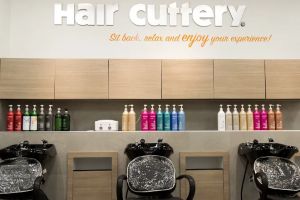
Hair Cuttery Color & Haircuts - Harwood Heights
Harwood HeightsCook CountyIllinois
4747 N Harlem Ave Unit K, Harwood Heights, IL 60706, USA
Create a 12-month service timeline
- Start with the most recent service. Add the approximate date, service type, areas treated, and result.
- Work backward. Cover at least the previous year; include older chemical treatment that may still remain on the lengths.
- Separate roots, lengths, and ends. Note when only regrowth was treated versus all-over application.
- Record corrections. Include color removers, repeated lightening, toners, and services done to change an unwanted result.
- Add extensions and protective styles. State the method, wear period, removal process, and any tension, matting, or breakage noticed.
- Attach verified products. Photograph ingredient labels or order records when available, but never invent a formula.
The timeline does not guarantee a particular result. It gives the professional a clearer basis for strand tests, compatibility checks, achievable targets, and whether a service should be divided across appointments.
Document your current routine
- How often you shampoo and condition, plus the kinds of products used.
- Typical detangling method and whether hair is brushed wet or dry.
- Heat tools, approximate settings, frequency, and heat-protection habits.
- Swimming, hard-water concerns, sun exposure, helmets, head coverings, and frequent workouts.
- Usual ponytails, buns, braids, wigs, extensions, or other tension-producing styles.
- Time and budget you can realistically devote to daily styling and salon maintenance.
Describe observable changes—snapping ends, tangling, fading, scalp discomfort, or loss of curl pattern—without self-diagnosing. Bring questions about what the stylist can address cosmetically and what may need a healthcare professional.
Choose useful reference photos
Bring two or three examples of what you like and one example of what you want to avoid. Choose images showing multiple angles and a hair density, texture, and starting color reasonably relevant to yours. Identify the specific feature in each image: perimeter, layers, fringe length, tone, contrast, volume, or finish.
Reference photos are best for communicating direction, not promising an identical result. Lighting, editing, extensions, styling, hair density, previous color, and maintenance can change how a look appears. Ask the stylist to translate the inspiration into an option suited to your starting point.
Use the history during consultation
- State the top priority and the feature you are unwilling to compromise.
- Share the timeline, current routine, previous reactions, and any uncertain products.
- Ask what can reasonably be achieved today and what would require multiple sessions.
- Discuss length removal, placement, tone, finish, and maintenance in concrete terms.
- Ask whether strand, patch, or compatibility testing is appropriate and how the salon performs it.
- Confirm the estimated service scope, home care, follow-up timing, and price before work begins.
A consultation is successful when both parties can restate the plan, limits, and maintenance—not simply when they agree on a photo. If the plan changes during the service, pause and reconfirm the new scope.
Important limits and warning signs
Do not conceal prior chemical processing to obtain a desired service. Product compatibility and hair condition can affect breakage risk and results. Follow manufacturer and salon safety procedures, and do not treat a strand test as a guarantee for the entire head.
Hair professionals provide cosmetic services, not medical diagnosis. Seek healthcare advice for burns, blistering, facial swelling, trouble breathing, persistent scalp sores, sudden patchy hair loss, or other concerning symptoms. Trouble breathing or rapidly progressing swelling requires emergency care.
Salon-ready checklist
- Dated chemical and color history, including at-home products
- Current routine, heat exposure, and recurring styles
- Known allergies, sensitivities, and previous adverse reactions
- Two or three useful inspiration images and one “avoid” image
- Priority, acceptable tradeoffs, and minimum length to preserve
- Daily styling time and realistic maintenance frequency
- Questions about testing, stages, upkeep, and total service scope
Frequently asked questions
How far back should my hair history go?
Cover at least a year and include any older chemical treatment still present on the hair. Very long hair may retain a multi-year history on its ends.
Do I need exact product names?
Verified names and labels help, but an honest approximate date and service description are better than a guessed formula. Bring packaging photos or receipts when available.
Should hair be clean for a consultation?
Ask the salon about the planned service. For a consultation, arriving with hair in a representative state and minimal disguising product can help the stylist observe its behavior, but salon instructions take priority.
Can a stylist promise the result after a strand test?
A strand test provides useful information about a small sample under specific conditions; it cannot guarantee every section will respond identically.
What if my goal cannot be completed in one appointment?
Ask for a staged plan with a safe stopping point, expected visual result at each stage, maintenance needs, and revised scope. You can decline if the path does not suit your priorities.
Evidence notes
This guide reflects common professional consultation practice: disclose prior processing, define observable goals, use references as communication tools, and confirm scope before service. Exact testing and product rules depend on the products, salon protocols, licenses, and manufacturer instructions. No universal timeline or test can guarantee a cosmetic outcome.
Conclusion and next steps
Open a note and create six headings: date, service, product, area treated, result, and reaction. Add your routine and three reference photos, then use Cary Hair Guide to compare local salon options. Send the salon a concise summary when booking so it can schedule the right consultation and tell you how to arrive.

 Blush Hair5.0 (41 reviews)
 Studio Privé5.0 (7 reviews)
 Fade Capone @ Traditions Barber Parlor 45.0 (1 reviews)
 Merlin's Hair Salon4.0 (36 reviews)
 The Healthy Hair Boutique4.0 (15 reviews)
 Stevencuts💈🔋0.0 (0 reviews)
 What to Know About Booking a Haircut Near Me During Holiday Rush
 Best Hair Color Trends for Fall and Winter in the US
 How to Rebuild Damaged Hair Structure Naturally
 How to Choose a Haircut You Can Maintain
 Mother-Daughter Hair Salon Visit: Tips for Finding the Right Hair Salon Near Me for Both
 How to Find the Perfect Hair Salon Near You That Suits Your Hair Type