

Communicating Your Dream Haircut: A Complete Guide for Better Salon Results
- 1-why-clear-haircut-communication-matters
- 2-prepare-before-your-haircut-appointment
- 3-how-to-describe-the-haircut-you-want
- 4-using-haircut-terms-your-stylist-understands
- 5-bringing-reference-photos-the-right-way
- 6-explaining-length-layers-and-texture
- 7-talking-about-hair-type-and-daily-routine
- 8-common-haircut-communication-mistakes
- 9-real-life-haircut-consultation-story
- 10-creating-a-better-salon-experience
Why Clear Haircut Communication Matters
Getting a haircut should feel exciting, but many people leave the salon disappointed because the final result does not match what they imagined. In most cases, the problem is not the hairstylist’s skill. The issue is that describing a hairstyle can be surprisingly difficult.
A haircut exists as an image in your mind, but your hairstylist needs specific information to recreate that vision. Words like “short,” “natural,” “layered,” or “textured” can mean different things to different people. Learning how to explain the haircut you want to your hairstylist clearly can make a major difference in the final result.
A successful haircut is a collaboration between you and your stylist. The more details you provide about your preferences, lifestyle, and expectations, the easier it becomes for your stylist to create a look that works for you.
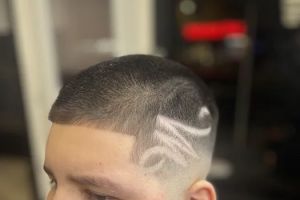
Haircuts Are More Than Just a Style Change
Hair affects how people feel about themselves every day. A great haircut can increase confidence, simplify a morning routine, and highlight personal style.
Whether you want a dramatic transformation or a small adjustment, communication is the foundation of a successful salon experience.
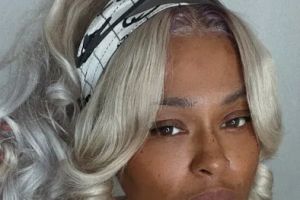
Prepare Before Your Haircut Appointment
Before sitting in the stylist’s chair, taking some time to think about your goals can help you explain your haircut more effectively.
Many people arrive at the salon with only a general idea, such as wanting to “look more modern” or “try something different.” While these feelings are helpful, adding specific details gives your stylist a clearer direction.
1. Identify What You Want to Change
Start by asking yourself why you want a new haircut. Are you looking for more volume? Easier maintenance? A different shape? A style that matches your personality?
Understanding your reason behind the haircut helps your stylist recommend adjustments that fit your needs.
2. Consider Your Daily Routine
A haircut should match your lifestyle. A style that looks amazing in a professional salon may not work well if it requires thirty minutes of styling every morning.
Tell your stylist how much time you normally spend on your hair. Someone who prefers a quick wash-and-go routine may need a different haircut than someone who enjoys using styling tools every day.
3. Remember Previous Hair Experiences
Think about haircuts you loved and haircuts you disliked. Sharing this information can prevent repeating mistakes.
For example, if you previously had layers that became too thin or bangs that were difficult to manage, your stylist can adjust the approach.
How to Describe the Haircut You Want
When learning how to explain the haircut you want to your hairstylist clearly, focus on describing the overall feeling and specific details rather than using only one-word descriptions.
1. Explain the Overall Style
Begin with the big picture. Describe whether you want your haircut to look:
- Classic and polished
- Relaxed and effortless
- Modern and trendy
- Professional and clean
- Edgy and creative
This gives your stylist an understanding of the direction before discussing technical details.
2. Explain What You Like About the Style
Instead of saying “I want this exact haircut,” explain what attracts you to it.
For example, you might say:
- I like the movement around the face.
- I want my hair to feel lighter.
- I like the volume at the top.
- I want a style that looks good without much effort.
These details help your stylist customize the haircut for your specific hair type.
Using Haircut Terms Your Stylist Understands
You do not need to become a professional hairstylist to communicate well, but understanding basic haircut vocabulary can make conversations easier.
1. Hair Length
Length is one of the most important parts of a haircut. Instead of saying “cut it short,” explain where you want the hair to end.
Examples include:
- Above the shoulders
- At collarbone length
- Chin length
- Keep the length but remove weight
2. Layers and Shape
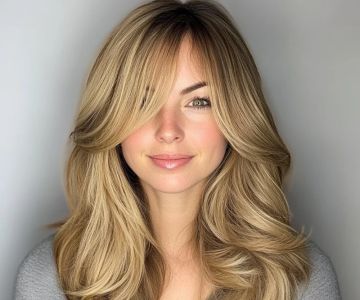
Layers can completely change how hair moves. Some people want soft layers for movement, while others want stronger layers for a noticeable shape.
Ask your stylist about the type of layers that work best with your hair texture.
3. Texture and Finish
Texture describes how the haircut feels and moves. You may want:
- Soft and blended ends
- More volume
- A natural appearance
- A sharper shape
- A textured, effortless finish
Bringing Reference Photos the Right Way
Photos are one of the most effective tools when communicating with a hairstylist. However, using reference images correctly is important.
1. Select Photos That Show Details
Choose images where the haircut is clearly visible from multiple angles if possible. A front view alone may not show important details like layers, length, or the back shape.
2. Explain What You Like About Each Photo
A photo should be a reference, not a strict copy request. Your hair texture, face shape, and lifestyle may be different from the person in the image.
A good conversation sounds like:
“I like the shape and movement in this photo, but I want it adjusted for my thicker hair.”
Explaining Length, Layers, and Texture
Many haircut misunderstandings happen because clients and stylists imagine different meanings behind the same words.
Be Specific About Length Changes
If keeping length is important, say so clearly. A stylist should know whether you want a major cut or only a refresh.
Talk About Volume Preferences
Some people want more volume, while others prefer hair that feels flatter and smoother.
Your stylist can adjust techniques depending on your preference.
Discuss Maintenance Expectations
A haircut should fit your real life. Let your stylist know whether you enjoy styling your hair or prefer minimal effort.
Talking About Hair Type and Daily Routine
One of the most important parts of a haircut consultation is explaining your natural hair behavior.
Different Hair Types Need Different Approaches
Straight, wavy, curly, and coily hair all respond differently to cutting techniques.
A haircut that works beautifully on one person may not create the same result on another person with different texture.
Share Your Styling Habits
Tell your stylist:
- How often you wash your hair
- Whether you use heat styling tools
- How much time you spend styling
- Whether you prefer natural texture
This information helps create a realistic haircut plan.
Common Haircut Communication Mistakes
1. Using Only Trendy Haircut Names
Haircut names can be helpful, but they do not always mean the same thing everywhere.
Instead of saying only “I want a wolf cut” or “I want a bob,” explain the specific features you like.
2. Not Mentioning Concerns
Your stylist cannot solve problems they do not know about. If your hair feels too heavy, lacks volume, or takes too long to style, mention it.
3. Expecting an Exact Copy
Every person’s hair is unique. A skilled stylist adapts inspiration photos to create the best version for you.
Real-Life Haircut Consultation Story
A client named Emily once brought a photo of a celebrity haircut to her stylist. She originally asked for the exact same style, but after discussing her thick, naturally wavy hair and busy schedule, the stylist suggested a customized version.
The final haircut kept the movement and shape Emily loved but required much less daily styling. She later said the biggest improvement was not the haircut itself, but the conversation before the haircut began.
This example shows why explaining your goals clearly is often more important than simply showing a picture.
Creating a Better Salon Experience
A great haircut starts with communication, trust, and realistic expectations. Learning how to explain the haircut you want to your hairstylist clearly helps create a stronger partnership between you and your stylist.
The best salon experiences happen when clients feel comfortable sharing their preferences and stylists have enough information to use their professional skills.
Whether you are looking for a completely new style, a simple refresh, or advice on finding the right haircut for your personality, preparing before your appointment can make every visit more successful.
For more hairstyle inspiration, haircut guidance, and professional beauty tips, Cary Hair Guide provides helpful resources to help you understand trends, communicate your preferences, and discover styles that match your needs.

 TreLaBrows5.0 (26 reviews)
 Esquire Barber Shop & Spa4.0 (18 reviews)
 Chicago fade4.0 (348 reviews)
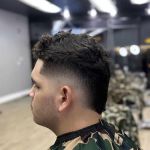 Pedro's Barber Shop & Beauty Salon 24.0 (44 reviews)
 Primos Barber Shop & Beauty Salon4.0 (136 reviews)
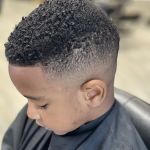 Ricobarbereno at Vannhardin0.0 (0 reviews)
 Best Ways to Maintain Healthy Hair Through Seasons
 How to Find a Good Hair Salon Near Me in the US for First-Time Visit
 How to Make Hair Look Thicker Instantly Without Extensions
 Best Hairstyles for Work That Look Professional and Stylish: Modern Office Guide
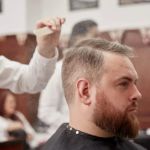 How to Choose a Fade Haircut That Perfectly Suits Your Head Shape
 How to Ask for the Right Haircut at Your First Visit to a Hair Salon Near Me