
- daily-soft-hair-routine
- why-hair-becomes-dry-and-unmanageable
- choosing-the-right-hair-products
- washing-hair-correctly-for-softness
- conditioning-techniques-for-smooth-hair
- natural-ways-to-keep-hair-soft
- protecting-hair-from-daily-damage
- hair-care-tips-for-different-hair-types
- professional-hair-maintenance-habits
Best Tips for Keeping Hair Soft and Manageable Daily
Soft, smooth, and manageable hair is something many people want, but maintaining that healthy feeling every day requires more than simply using expensive products. Hair softness comes from a combination of moisture balance, gentle handling, proper cleansing, and consistent care habits.
The best tips for keeping hair soft and manageable daily focus on protecting the hair structure while preventing dryness, frizz, and breakage. Whether your hair is straight, curly, thick, thin, colored, or naturally textured, a thoughtful routine can help improve how your hair feels and looks.
Many people struggle with hair that feels rough in the morning, becomes tangled during the day, or loses its smoothness after styling. These problems often come from small daily habits rather than a single issue. By making a few adjustments, it is possible to create a routine that supports healthier-looking hair.
Cary Hair Guide provides helpful hair care information for people who want to understand their hair better and discover practical ways to maintain softness, shine, and manageability without unnecessary complexity.

Hair by Nicole Keenen
3020 W Armitage Ave Studio #1, Chicago, IL 60647, USA
Why Hair Becomes Dry, Rough, or Difficult to Manage
1. Lack of Moisture in the Hair Shaft
Hair needs moisture to remain flexible and smooth. When the outer layer of the hair, known as the cuticle, becomes damaged or raised, moisture escapes more easily. This can make hair appear dull, feel rough, and become harder to style.
Common causes of moisture loss include frequent washing, harsh shampoos, heat styling, sun exposure, and environmental factors such as dry weather.

2. Excessive Heat Styling
Blow dryers, straighteners, and curling tools can create beautiful styles, but frequent exposure to high temperatures may weaken the hair over time.
People who use heat styling regularly often notice split ends, dryness, or increased frizz. Protecting hair before applying heat is one of the simplest ways to maintain softness.
3. Product Buildup
Using too many styling products can sometimes leave residue on the hair. While products such as gels, sprays, and creams can improve styling, buildup may prevent moisture from reaching the hair properly.
A balanced routine includes both nourishing products and occasional cleansing to keep hair fresh and lightweight.
Choosing the Right Hair Products for Soft and Smooth Hair
Look for Moisturizing Ingredients
The ingredients in your hair products matter. Moisturizing formulas often include ingredients that help attract and retain hydration.
Popular ingredients for softer hair include:
• Argan oil
• Coconut oil
• Shea butter
• Aloe vera
• Keratin
• Hyaluronic acid
These ingredients can help improve the feel of the hair by reducing dryness and supporting smoother strands.
Avoid Overloading Hair With Too Many Products
A common mistake is believing that more products always create better results. In reality, using too many layers can make hair feel heavy or greasy.
A simple routine with a quality shampoo, conditioner, and occasional treatment is often more effective than constantly changing products.
Washing Hair Correctly for Better Texture
Choose a Shampoo Based on Your Hair Needs
Not every shampoo works for every person. Someone with oily roots may need a different formula than someone with dry, damaged hair.
For softer daily hair, choose products that clean effectively without removing too much natural moisture.
Use Lukewarm Water Instead of Very Hot Water
Hot showers may feel relaxing, but very hot water can remove natural oils from the scalp and hair. This may contribute to dryness and rough texture.
Lukewarm water is usually a better option because it helps cleanse while maintaining a healthier moisture balance.
Do Not Wash Hair More Than Necessary
Some people wash their hair every day, while others only need to wash a few times per week. The ideal schedule depends on hair type, lifestyle, and scalp condition.
Overwashing can make some hair types dry, while insufficient cleansing may create buildup. Finding the right balance is an important part of daily hair maintenance.
Conditioning Techniques That Improve Hair Softness
Apply Conditioner Correctly
Conditioner is one of the most important steps for keeping hair soft and manageable. However, applying it incorrectly may reduce its effectiveness.
For most hair types, conditioner works best when applied from the middle of the hair down to the ends. The scalp usually produces natural oils, so applying heavy conditioner directly to the roots may make hair look flat.
Allow Conditioner Time to Work
Immediately rinsing conditioner away may not allow enough time for the ingredients to support smoother hair.
Leaving conditioner on for a few minutes while showering can help improve softness and reduce tangling.
Use Deep Conditioning Treatments
Regular deep conditioning can be especially helpful for dry, colored, or damaged hair.
A weekly treatment can provide extra moisture and help hair feel healthier between salon visits.
Natural Ways to Keep Hair Soft and Healthy
Use Hair Oils as a Moisture Boost
Natural oils have been used in hair care routines for generations. Lightweight oils can help improve shine and reduce the feeling of dryness.
Popular options include:
• Argan oil for smoothness
• Jojoba oil for scalp balance
• Coconut oil for moisture protection
• Rosemary oil blends for scalp-focused routines
Using a small amount is usually better than applying too much. Excess oil can make hair difficult to wash and style.
Protect Hair While Sleeping
Nighttime habits can influence how hair feels the next day. Friction from cotton pillowcases may contribute to tangles and frizz.
Some people prefer silk or satin pillowcases because they create less friction against the hair.
Maintain a Healthy Diet
Hair health is connected to overall wellness. A balanced diet containing enough protein, vitamins, and minerals supports the body's natural processes.
Drinking enough water and maintaining healthy lifestyle habits can also contribute to better-looking hair.
Protecting Hair From Everyday Damage
Reduce Heat Exposure
Heat styling does not need to be eliminated completely, but using lower temperatures and applying heat protection products can help reduce damage.
Whenever possible, allowing hair to dry naturally can provide a break from daily heat exposure.
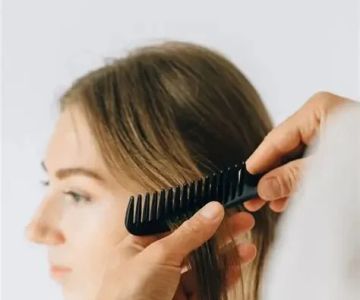
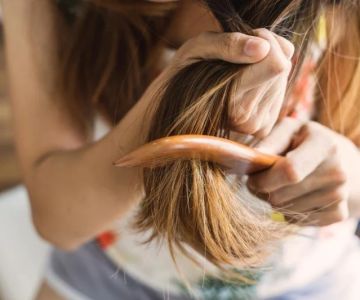
Be Gentle When Brushing
Rough brushing can create unnecessary stress on the hair. Wet hair is especially fragile, so it is important to handle it carefully.
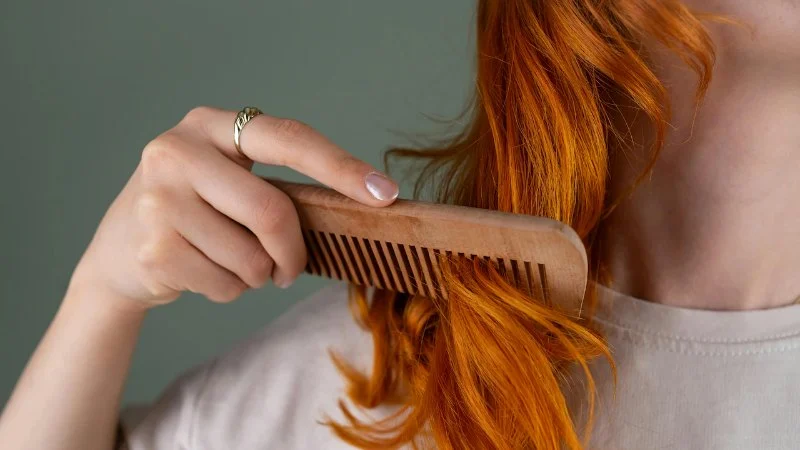
Using a wide-tooth comb and starting from the ends before moving upward can help reduce pulling and breakage.
Protect Hair From Environmental Stress
Sun exposure, pollution, and weather changes can affect hair texture. Wearing protective styles, using conditioning products, and avoiding excessive exposure can help maintain softness.
Hair Care Tips for Different Hair Types
Fine Hair
Fine hair can easily become weighed down. Lightweight products are usually better because they provide moisture without removing volume.
Focus on gentle cleansing, lightweight conditioners, and avoiding heavy oils.
Curly Hair
Curly hair often needs extra moisture because natural scalp oils do not travel easily through curls.
Hydrating products, leave-in conditioners, and protective styling can help maintain softness and definition.
Thick or Coarse Hair
Thicker hair often benefits from richer conditioning treatments. Oils and moisturizing masks can help improve flexibility and reduce roughness.
Color-Treated Hair
Colored hair may require extra attention because chemical treatments can affect moisture levels.
Using color-safe products and regular conditioning treatments can help maintain softness and vibrancy.
Professional Habits for Long-Term Hair Softness
Trim Hair Regularly
Regular trims help remove split ends that can make hair appear unhealthy. Even people growing their hair longer can benefit from occasional maintenance cuts.
Create a Consistent Routine
The biggest difference between temporary improvement and long-term results is consistency. Healthy-looking hair usually comes from small habits repeated over time.
A practical daily routine may include:
• Gentle brushing
• Proper hydration
• Regular conditioning
• Minimal unnecessary heat
• Protection from environmental damage
Understand Your Own Hair Needs
There is no single routine that works perfectly for everyone. Hair texture, lifestyle, climate, and personal goals all influence what products and habits work best.
The best tips for keeping hair soft and manageable daily are based on understanding your own hair and making choices that support its natural condition.
With the right combination of gentle care, quality products, and consistent habits, hair can become easier to style, smoother to touch, and healthier-looking over time.
Cary Hair Guide helps readers explore practical hair care strategies and discover better ways to maintain beautiful, manageable hair every day.

 Joey'z Hair Cutz4.0 (118 reviews)
 JeJe Beauty0.0 (0 reviews)
 Strip custom waxing & skincare5.0 (33 reviews)
 Betty's & Nick's Hair Care4.0 (474 reviews)
 D's Style World4.0 (27 reviews)
 Good Aesthetics Chicago5.0 (36 reviews)
 The Biggest Hair Colour Mistakes People in the US Are Making in 2025
 How to Repair Split Ends and Avoid Them Until Your Next Haircut
 The Best Haircuts for People with Sensitive Scalp or Allergies Near Me
 How to Choose the Best Hair Stylist for Your Hair Type
 How to Use Before & After Galleries to Choose a Haircut at a Hair Salon Near Me Smartly
 The Best Haircuts Near Me for Fine, Limp Hair That Needs Texture Immediately