
- seasonal-hair-changes
- understanding-weather-effects
- winter-hair-care-routine
- summer-hair-protection
- spring-and-autumn-adjustments
- daily-hair-maintenance-habits
- professional-hair-care-strategies
1. Why Hair Needs Seasonal Care Adjustments
Many people spend time changing their skincare routines when the weather shifts, but hair often receives much less attention. The truth is that seasonal weather changes can have a major impact on hair strength, texture, moisture balance, and overall appearance. The same hairstyle and products that work perfectly during a humid summer may leave hair dry, flat, or damaged during colder months.
Learning the best ways to maintain healthy hair during seasonal weather changes is about understanding how the environment affects your hair and making small adjustments throughout the year. Temperature, humidity, sunlight exposure, indoor heating, and lifestyle changes all influence how your hair behaves.
A person living in a dry northern climate may struggle with static, brittle ends, and scalp dryness during winter. Someone living in a hot and humid area may experience excess oil, frizz, and weakened strands during summer. Seasonal hair care is not about following complicated routines; it is about responding to what your hair needs at different times of the year.

1.1 Hair Is Constantly Reacting to Its Environment
Hair is made primarily of keratin, a strong protein structure that depends on proper moisture and protection. When environmental conditions change, the outer layer of the hair strand, known as the cuticle, can become affected.
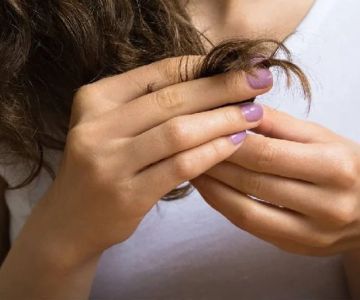
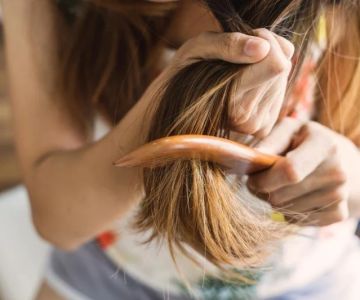
Dry air can cause the cuticle to lift, allowing moisture to escape. This often results in rough texture, split ends, and increased breakage. High humidity can cause the hair shaft to absorb excess water from the air, creating swelling and frizz.
Because of these changes, a healthy hair routine should not remain exactly the same throughout the year. Adjusting shampoo frequency, conditioning habits, styling methods, and protective measures can help maintain consistent hair quality.
1.2 A Realistic Approach to Seasonal Hair Health
Many people become frustrated when their favorite products suddenly stop working. A common example is someone who uses a lightweight conditioner during summer but notices that the same product no longer prevents dryness during winter. The issue is not necessarily the product itself; the environment has changed.
Professional stylists often recommend thinking of hair care like clothing choices. You would not wear the same jacket in freezing weather and a summer heat wave. Hair requires similar seasonal adjustments.
For personalized guidance, readers looking for detailed hair care information and beauty recommendations can explore resources from Cary Hair Guide to better understand how different hair types respond to seasonal conditions.
2. How Different Weather Conditions Affect Hair
2.1 Cold Weather and Dry Air Challenges
Winter is one of the most challenging seasons for maintaining healthy hair. Cold outdoor temperatures combined with dry indoor heating can quickly reduce moisture levels in both the hair and scalp.
Common winter hair concerns include:
- Dry and rough hair texture
- Increased static electricity
- Flaky or irritated scalp
- More visible split ends
- Hair breakage caused by reduced flexibility
When hair loses moisture, it becomes less elastic. Healthy hair should stretch slightly before breaking, but dehydrated strands become fragile and snap more easily.
2.2 Hot Weather, Sun Exposure, and Humidity
Summer creates a completely different set of problems. Strong sunlight, heat, sweat, chlorine, and salt water can affect hair quality.
Ultraviolet rays can weaken the proteins inside hair strands, similar to how prolonged sun exposure affects skin. Frequent swimming can also remove natural oils from the hair, leaving it dry and rough.
Humidity presents another challenge. Hair absorbs moisture from the air, causing the cuticle to expand. This creates frizz, loss of definition, and difficulty maintaining certain hairstyles.
2.3 Seasonal Allergies and Scalp Sensitivity
Spring and fall can bring additional issues because of environmental changes. Increased pollen, temperature fluctuations, and changes in air quality may affect scalp comfort.
A sensitive scalp may become itchy or uncomfortable during these transitions. Maintaining gentle cleansing habits and avoiding excessive product buildup can help support scalp balance.
3. Building a Winter Hair Care Routine
3.1 Increase Moisture Without Overloading Hair
One of the most effective ways to maintain healthy hair during winter is increasing hydration. However, adding too many heavy products can make hair appear greasy or weighed down.
The goal is balanced moisture. A moisturizing shampoo, nourishing conditioner, and occasional deep-conditioning treatment can help restore softness while keeping hair manageable.
Ingredients often used in winter hair products include:
- Natural oils that help reduce moisture loss
- Plant-based extracts that support softness
- Proteins that improve strength
- Humectants that attract and retain moisture
3.2 Protect Hair From Indoor Heating
Indoor heating systems create comfortable temperatures but can remove moisture from the air. This affects skin and hair in similar ways.
Using a humidifier in dry indoor spaces can help maintain a healthier environment. Sleeping on smoother fabrics and avoiding excessive heat styling can also reduce winter damage.
3.3 Reduce Washing Frequency When Necessary
Washing hair too frequently during winter may remove protective natural oils. While cleansing habits depend on hair type, many people benefit from slightly reducing shampoo frequency during colder months.
People with naturally oily scalps may still need regular washing, but those with dry or curly hair often benefit from longer intervals between washes combined with proper conditioning.
4. Protecting Hair During Hot and Humid Seasons
4.1 Defend Hair Against Sun Damage
Summer hair care should focus on protection. Just as sunscreen protects skin, protective hair products and styling habits can reduce environmental stress.
Simple strategies include wearing hats during long outdoor activities, avoiding unnecessary direct sun exposure, and using products designed to protect hair from heat and UV-related damage.
4.2 Manage Humidity and Frizz
Humidity can change the way hair behaves within minutes. Many people experience styles losing their shape because moisture enters the hair shaft.
Anti-frizz routines often work best when they focus on sealing the cuticle. Lightweight oils, smoothing creams, and leave-in conditioners can create a barrier that helps maintain a smoother appearance.
4.3 Care for Hair After Swimming
Swimming is one of the most enjoyable summer activities, but chlorine and salt water can be harsh on hair.
A simple protective routine includes:
- Rinsing hair with fresh water before swimming
- Using protective conditioners when needed
- Washing away chlorine after swimming
- Applying moisture treatments regularly
These steps help prevent the dry, straw-like texture that many swimmers experience.
5. Managing Hair During Seasonal Transitions
5.1 Spring Hair Renewal
Spring is a transition period when many people notice changes in scalp condition and hair texture. After winter dryness, hair often benefits from restoring moisture balance and removing accumulated product buildup.
A gentle clarifying treatment can help refresh the scalp, while nourishing conditioners can improve softness. Spring is also a good time to trim damaged ends and create a healthier foundation.
5.2 Autumn Preparation
Fall is the perfect time to prepare hair for colder weather. Many people wait until winter problems appear before changing their routine, but early preparation can prevent excessive dryness.
Adding more conditioning treatments, reducing unnecessary heat styling, and choosing protective hairstyles can help hair transition smoothly.
5.3 Understanding Seasonal Shedding
Some people notice increased hair shedding during certain times of the year. Seasonal shedding can occur naturally as part of the hair growth cycle.
However, sudden or significant changes should always be discussed with a qualified professional. Maintaining good nutrition, reducing stress, and caring for the scalp can support overall hair wellness.
6. Everyday Habits That Support Healthy Hair All Year
6.1 Choose Products Based on Hair Needs
The best hair products are not necessarily the most expensive ones. The right choice depends on your hair texture, scalp condition, lifestyle, and environment.
Fine hair may need lightweight hydration, while thick or curly hair often requires richer moisture support. Color-treated hair may need additional protection because chemical treatments can make strands more vulnerable.
6.2 Avoid Excessive Heat Styling
Heat tools can create beautiful styles, but frequent high-temperature use can weaken hair over time.
Using heat protectants, choosing moderate temperatures, and allowing hair to air dry occasionally can help preserve strength.
6.3 Maintain Healthy Nutrition
Hair health is influenced by internal factors as well as external care. A balanced diet containing adequate protein, vitamins, minerals, and healthy fats supports normal hair growth.
Drinking enough water and maintaining healthy lifestyle habits also contribute to overall hair appearance.
6.4 Handle Hair Gently
Small daily habits can create significant differences. Aggressive brushing, tight hairstyles, and rough towel drying can cause unnecessary stress.
Using gentle techniques, especially when hair is wet, helps prevent breakage because wet hair is more vulnerable.
7. Professional Strategies for Long-Term Hair Health
7.1 Regular Hair Assessments
Hair changes over time. Age, hormones, climate, lifestyle, and styling habits can all influence hair condition.
Regular professional assessments can help identify issues early and provide recommendations based on current needs rather than old routines.
7.2 Creating a Personalized Seasonal Plan
A successful hair routine does not need dozens of products. A simple seasonal plan is often more effective:
- Spring: refresh and repair after winter conditions
- Summer: protect against sun, sweat, and humidity
- Autumn: strengthen and prepare for colder air
- Winter: focus on hydration and protection
7.3 Learning From Hair Experts
The beauty industry continues to develop new approaches to seasonal hair maintenance. Many modern routines combine traditional care methods with improved understanding of hair science.
Following trusted resources such as Cary Hair Guide can help readers stay informed about practical techniques, product choices, and healthy styling approaches.
8. Creating a Hair Routine That Works Through Every Season
Maintaining healthy hair during seasonal weather changes is not about chasing perfection. It is about paying attention to your hair’s signals and making thoughtful adjustments as conditions change.
A strong routine combines moisture management, protection, gentle handling, and consistent care. Whether the challenge is winter dryness, summer humidity, or seasonal transitions, small improvements can create noticeable results.
Healthy hair is built through everyday decisions. By understanding how weather affects your hair and adapting your routine throughout the year, you can maintain stronger, softer, and more manageable hair in every season.

 Joey'z Hair Cutz4.0 (118 reviews)
 JeJe Beauty0.0 (0 reviews)
 Strip custom waxing & skincare5.0 (33 reviews)
 Betty's & Nick's Hair Care4.0 (474 reviews)
 D's Style World4.0 (27 reviews)
 Good Aesthetics Chicago5.0 (36 reviews)
 The Biggest Hair Colour Mistakes People in the US Are Making in 2025
 How to Repair Split Ends and Avoid Them Until Your Next Haircut
 The Best Haircuts for People with Sensitive Scalp or Allergies Near Me
 How to Choose the Best Hair Stylist for Your Hair Type
 How to Use Before & After Galleries to Choose a Haircut at a Hair Salon Near Me Smartly
 The Best Haircuts Near Me for Fine, Limp Hair That Needs Texture Immediately