
- Understanding-Hair-Damage-Structure
- Causes-That-Break-Down-Hair-Health
- Natural-Methods-To-Rebuild-Damaged-Hair
- Nutrition-And-Hair-Repair-From-Within
- Creating-A-Hair-Recovery-Routine
- Professional-Insights-And-Real-Hair-Recovery-Stories
- Protecting-Hair-After-Repair
Natural Ways to Restore Strength and Repair Damaged Hair
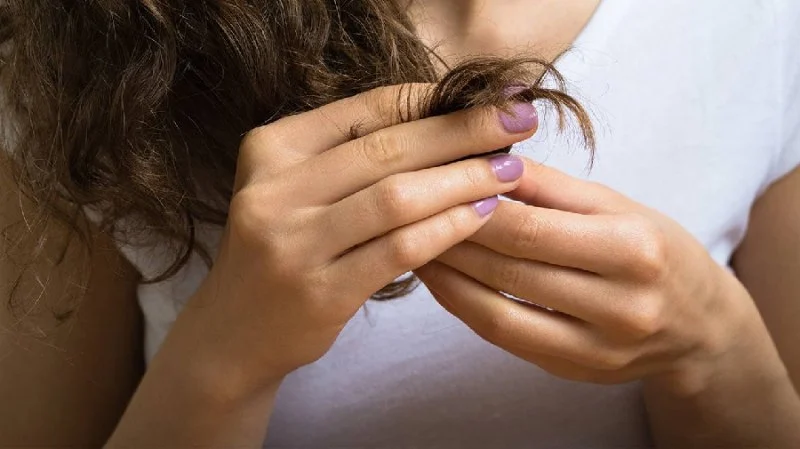
Hair often reflects our lifestyle, habits, and overall care routine. Many people notice changes in their hair after years of heat styling, coloring, chemical treatments, environmental exposure, or poor nutrition. Hair may become dry, brittle, rough, or difficult to manage. While damaged hair cannot always be restored to its original untouched condition, learning how to rebuild damaged hair structure naturally can significantly improve strength, softness, and appearance.
The structure of healthy hair depends on balanced moisture, strong protein bonds, a protected outer layer, and a healthy scalp environment. When these elements become damaged, hair loses elasticity and becomes more vulnerable to breakage. Natural repair strategies focus on restoring hydration, supporting the hair fiber, and preventing further damage.
This guide explores practical natural hair repair methods, including nourishing ingredients, lifestyle changes, and daily habits that can help transform weak, damaged strands into healthier-looking hair.
Understanding Hair Damage Structure
Before repairing damaged hair, it is important to understand what happens inside each strand. Hair is not simply a surface feature; it is a complex biological structure made primarily of keratin, a strong protein that provides strength and flexibility.
1. The Three Main Layers of Hair
Each hair strand contains three important layers:
The Cuticle Layer
The cuticle is the outer protective layer of the hair. It works like small overlapping scales that protect the inner structure. When the cuticle is smooth and closed, hair appears shiny and feels soft.
Heat styling, harsh chemicals, and environmental stress can lift or damage the cuticle. Once damaged, moisture escapes more easily, leading to dryness and frizz.
The Cortex Layer
The cortex makes up most of the hair strand and contains keratin proteins responsible for strength, texture, and elasticity. Serious damage to this area can cause weak hair that snaps easily.
Many effective damaged hair repair methods focus on supporting the cortex by providing protein-rich treatments and maintaining moisture balance.
The Medulla Layer
The medulla is the innermost part of the hair strand. It is not always present in every hair type, but it can contribute to the overall structure of thicker hair strands.
2. Signs Your Hair Structure Needs Repair
Hair damage often develops slowly, making it easy to overlook early warning signs. Common symptoms include:
- 1. Increased hair breakage during brushing
- 2. Dry or straw-like texture
- 3. Excessive frizz even after styling
- 4. Split ends and rough tips
- 5. Reduced elasticity when hair stretches
- 6. Lack of natural shine
Recognizing these signs early allows you to begin a targeted hair recovery routine before damage becomes more severe.
Causes That Break Down Hair Health
Understanding what damages hair is just as important as knowing how to repair it. Many daily habits can gradually weaken the hair structure.
1. Excessive Heat Styling
Flat irons, curling tools, and blow dryers can create beautiful hairstyles, but frequent high-temperature exposure weakens keratin proteins. Over time, heat damage can leave hair fragile and uneven.
A common mistake is using high heat without protection. Reducing temperature, limiting styling frequency, and applying protective products can help maintain hair strength.
2. Chemical Treatments
Hair coloring, bleaching, relaxing, and permanent treatments can change the internal structure of hair. While professional treatments can create desired styles, repeated chemical exposure may weaken protein bonds.
People who regularly color their hair often need additional moisture and strengthening care to maintain healthy-looking strands.
3. Environmental Stress
Sun exposure, pollution, hard water, and dry climates can affect hair quality. Ultraviolet rays may weaken proteins, while mineral buildup from water can make hair feel rough.
Protective habits, such as wearing hats outdoors and using gentle cleansing products, can reduce environmental stress.
Natural Methods to Rebuild Damaged Hair
When exploring how to rebuild damaged hair structure naturally, consistency matters more than quick fixes. Natural treatments work by supporting the hair’s ability to retain moisture, reduce breakage, and maintain balance.
1. Use Natural Oils for Deep Nourishment
Natural oils can help improve softness and protect the hair surface. Different oils provide different benefits depending on hair needs.
Coconut Oil
Coconut oil is widely used in hair care because its structure allows it to penetrate the hair shaft. It may help reduce protein loss and improve the feeling of strength in damaged hair.
Argan Oil
Argan oil contains fatty acids and antioxidants that help smooth dry hair and improve shine. It is especially popular for reducing rough texture and controlling frizz.
Jojoba Oil
Jojoba oil closely resembles natural scalp oils, making it useful for supporting scalp moisture without creating excessive heaviness.
2. Apply Natural Hair Masks
Hair masks provide concentrated nourishment and hydration. Ingredients commonly used in natural treatments include:
- 1. Aloe vera for moisture support
- 2. Honey for hydration
- 3. Avocado for nourishing fats
- 4. Yogurt for gentle conditioning
- 5. Banana for softness and manageability
Using these treatments regularly can improve the appearance of dry damaged hair while supporting healthier maintenance habits.
3. Balance Protein and Moisture
One of the most important concepts in hair structure repair is balance. Hair needs both protein and moisture.
Too much protein can make hair stiff, while too much moisture can make it feel weak. A balanced routine alternates strengthening treatments with hydrating care.
Nutrition and Hair Repair From Within
Healthy hair begins beneath the surface. The body requires proper nutrients to produce strong hair fibers.
1. Protein Support
Because hair is primarily made of keratin protein, insufficient protein intake may affect hair strength. Including quality protein sources in your diet supports overall hair health.
2. Essential Vitamins and Minerals
Nutrients commonly associated with healthy hair include:
- 1. Iron for supporting normal hair growth
- 2. Zinc for maintaining healthy follicles
- 3. Vitamin D for overall hair wellness
- 4. Biotin for supporting keratin production
- 5. Omega-3 fatty acids for nourishment
A balanced diet combined with external care creates a stronger foundation for natural hair recovery.
3. Hydration and Lifestyle Factors
Dehydration, stress, and poor sleep can influence hair appearance. Drinking enough water, managing stress, and maintaining healthy routines support the body’s natural repair processes.
Creating a Hair Recovery Routine
Repairing damaged hair requires patience. Hair grows gradually, so consistent habits are essential.
1. Gentle Washing Practices
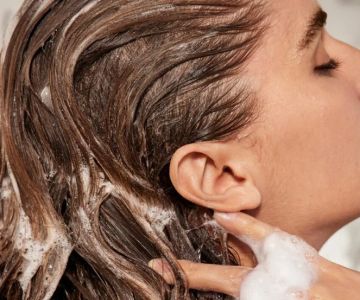
Overwashing can remove natural oils that protect hair. Choose gentle cleansing methods and avoid aggressively rubbing wet hair.
2. Proper Drying Techniques
Wet hair is more fragile than dry hair. Instead of rough towel drying, gently squeeze excess water using a soft towel or microfiber cloth.
3. Reduce Mechanical Damage
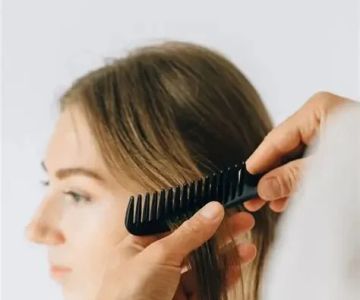
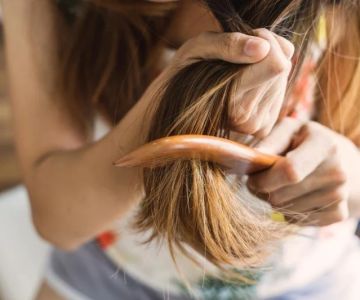
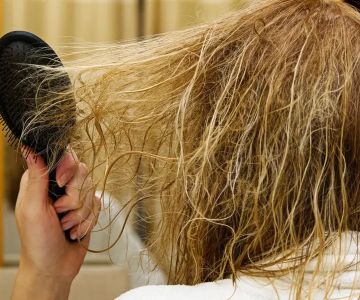
Small habits can create major improvements. Use wide-tooth combs, avoid tight hairstyles, and brush carefully from the ends upward.
Professional Insights and Real Hair Recovery Stories
Many people experience noticeable improvements after changing their approach to hair care.
1. A Common Hair Recovery Journey
Consider someone who regularly bleached their hair for several years. Their hair became fragile, especially around the ends, and styling became difficult. Instead of immediately cutting all damaged sections, they created a recovery plan involving reduced heat styling, weekly conditioning treatments, better nutrition, and gentle products.
After several months, their hair appeared stronger, smoother, and easier to manage. The improvement came from consistent care rather than a single miracle treatment.
2. Expert Approach to Damaged Hair
Hair professionals often emphasize prevention alongside repair. Once hair damage occurs, improving the condition requires protecting new growth while caring for existing strands.
Resources such as Cary Hair Guide can help individuals explore suitable hair care options and learn more about maintaining healthier routines.
Protecting Hair After Repair
Once hair begins recovering, protecting it prevents future damage.
1. Limit Heat Exposure
Use lower temperatures, allow natural drying when possible, and always consider protective products before heat styling.
2. Choose Hair Products Carefully
Avoid overly harsh formulas that may strip moisture. Look for ingredients that support hydration, smoothness, and scalp comfort.
3. Maintain Regular Care
Healthy hair is the result of repeated small actions. Regular conditioning, gentle handling, and protective habits create long-term improvements.
Begin Your Natural Hair Restoration Journey
Learning how to rebuild damaged hair structure naturally is about understanding what hair needs and creating a routine that supports recovery. While damaged strands cannot be completely transformed overnight, consistent natural hair repair methods can improve strength, moisture, and appearance over time.
By combining nourishing ingredients, healthy lifestyle choices, and protective habits, you can create a stronger foundation for beautiful hair. Explore trusted hair care resources, discover effective solutions, and continue building a healthier routine with Cary Hair Guide.

 Charo's Hair Design and Day Spa4.0 (39 reviews)
 Golden Shears Hair Studio4.0 (86 reviews)
 S Class 2 Barber Salon4.0 (76 reviews)
 Bruhairia Boutique5.0 (2 reviews)
 Studio21 by Kevo Coiffeur0.0 (0 reviews)
 Another Barber Shop4.0 (157 reviews)
 The Truth About Hair Loss Searches & What Your Stylist Wishes You Knew
 Best Haircuts Near Me for Fine, Limp Hair That Needs Texture Immediately
 How to Ask for a Haircut at a Hair Salon Near Me That Will Grow Out Gracefully
 How to Stop Hair Fall Due to Stress and Hormonal Changes
 Best Ways to Detangle Long Hair Without Causing Breakage
 How to Choose Between Haircut and Hair Colour Near Me When Changing Your Look