
Hair Accessory Check: Edges, Tension, and Cleaning
On this page
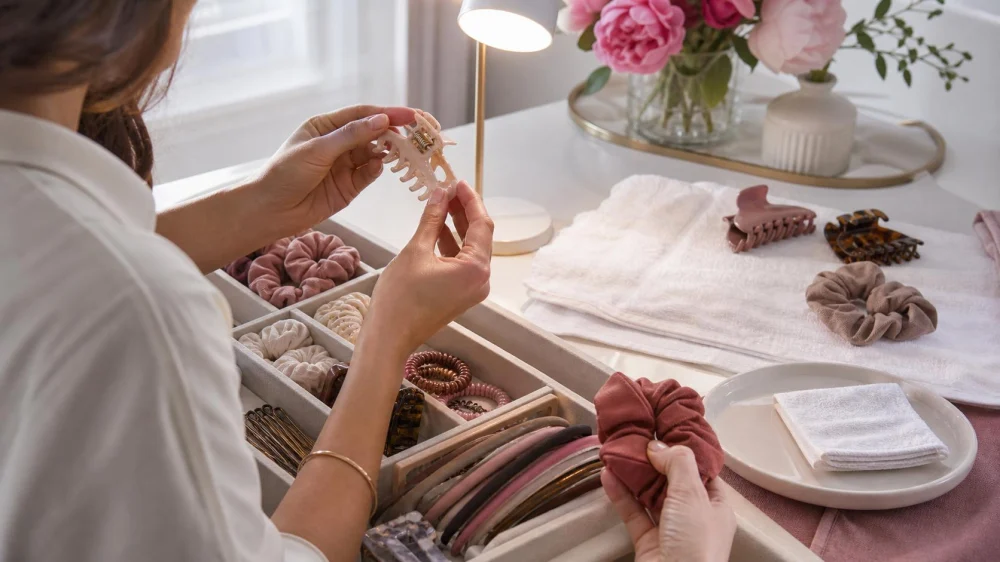
Hair ties, clips, pins, claws, headbands, combs, scrunchies, and decorative accessories hold or shape hair through pressure and contact. Small rough edges, worn elastic, tight springs, exposed metal, and product buildup can snag strands or irritate the scalp. A quick inspection and cleaning routine makes everyday styling more predictable.
Accessories do not explain every form of breakage, scalp pain, or hair loss. Stop using a piece that causes pain, sores, bleeding, numbness, or repeated pulling. Persistent symptoms, sudden shedding, or patchy loss should be discussed with an appropriate healthcare professional.
Set a monthly tray check and an extra review before travel, sports, or formal styling. Place questionable pieces in a separate container instead of returning them to daily use. Clean only items that remain structurally sound; washing cannot repair a cracked tooth or failed spring.

Sort accessories by function
Group items by what they do: secure a ponytail, hold a twist, section hair, pin small areas, protect a style, or decorate without bearing weight. A decorative barrette may not be designed to carry a dense section, while a strong clip may be excessive for fine hair.
Separate daily pieces from special-event accessories with beads, stones, chains, or sharp shapes. Keep children's items age appropriate and check for small detachable parts. Do not place a decorative item where it interferes with helmets, headrests, hearing devices, or required safety equipment.
Inspect edges, seams, and springs
Run a fingertip carefully along accessible surfaces and look under bright light for burrs, chipped coating, rough mold lines, open seams, exposed elastic, rust, cracked teeth, sharp pin tips, loose stones, and adhesive residue. Do not deliberately touch a visibly sharp edge.
Open and close clips away from hair to check alignment and spring action. Retire a mechanism that snaps unpredictably, pinches skin, or has uneven teeth. A repair should not introduce wire, staples, or glue that touches hair or scalp.
Match size to the hair section
Choose a tie or clip that holds the intended amount of hair without extreme stretching or forced closure. Overfilling a claw clip can break teeth or launch the clip. Using a tiny elastic on a thick section concentrates pressure.
For fine hair, an accessory may slide unless it uses texture or a smaller section; adding tension is not the only answer. For dense hair, use sectioning or a larger properly designed piece rather than repeatedly twisting a small tie.
Use the lowest effective tension
Secure the style firmly enough for the activity but not so tightly that the scalp lifts, throbs, or feels tender. A ponytail or bun should not require repeated maximum stretching. Remove and redo it when pressure feels uneven.
High-impact movement may require a different design, more sections, or a braid rather than simply tighter tension. Test the style before exercise and confirm that it works with helmets or protective gear without hard pieces pressing into the head.
Protect the hairline and scalp
Avoid repeatedly anchoring heavy accessories to short edge hairs or the same temple area. Place pins with controlled pressure and keep ends from scratching. Do not insert an accessory into a sore, inflamed, healing, or recently treated scalp area.
Headbands should fit without compressing the temples, ears, or glasses. Teeth and nonslip sections can improve hold but may irritate with prolonged wear. Remove the accessory when discomfort begins rather than waiting until the end of the day.
Rotate placement and style
Change ponytail height, part, bun position, and clip location to avoid repeated force on one group of strands. Include lower-tension or loose-hair days when appropriate. Rotation does not make a damaging accessory safe, but it can reduce repetitive stress.
Record which pieces and styles create dents, tangles, or tenderness. A stylist can suggest different sectioning, size, or material. Avoid sleeping in hard clips, pins, or bulky accessories unless a specialist-designed item is intended for overnight use.
Clean by material
Follow manufacturer instructions for fabric, plastic, metal, wood, leather, coated, jeweled, and electronic accessories. Remove loose hair first. Wash suitable items with mild soap and water, rinse completely, and keep springs or glued decorations within their care limits.
Do not soak wood, leather, porous decoration, or metal prone to rust unless approved. Do not mix cleaning chemicals. Product residue that cannot be removed safely is a reason to retire an inexpensive item rather than use a harsh solvent near the scalp.
Dry and store accessories
Dry every surface and hinge before closing a clip or putting it into a container. Damp fabric and trapped water can develop odor, discoloration, or corrosion. Lay cleaned items separately on a clean towel.
Store pins with tips covered, clips closed or in divided compartments, and elastic pieces away from heat and direct sun. Avoid one crowded drawer where teeth and decorations catch each other. Keep small pieces away from children and pets.
Share with care
Personal accessories can transfer oil, product, skin debris, and potentially infectious material. Avoid sharing combs, clips, headbands, or fabric pieces when someone has lice, ringworm, an open scalp lesion, or another condition requiring individual items and specific cleaning.
Salons should follow applicable sanitation rules between clients. At home, label personal pieces when needed and use the cleaning method recommended by a healthcare professional for a diagnosed condition. Do not rely on fragrance as proof of cleanliness.
Retire damaged pieces
Discard stretched elastics with exposed cores, cracked claws, sharp clips, rusted pins, peeling coatings, broken teeth, loose decorations, and pieces that repeatedly snag. Remove reusable decorations only if they can be reattached safely to a suitable base.
Count small parts if an accessory breaks during wear. Check the hair and clothing gently and keep pieces away from children and pets. Seek appropriate medical help for an embedded sharp part or significant injury.
Accessory checklist
Check function, size, edges, seams, spring, teeth, coating, tension, scalp comfort, compatibility with equipment, cleanliness, dryness, storage, and small parts. Rotate placement and remove accessories before they become painful.
The best hair accessory holds the intended style with minimal pressure and no catching. Regular inspection catches wear before it reaches the hair, while cleaning and divided storage preserve smooth surfaces. Comfort is useful feedback: a style that hurts should be changed, not endured.
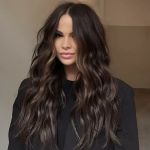 FAKE & Co.5.0 (5 reviews)
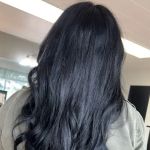 Licha's Hair Salon4.0 (41 reviews)
 Hair Doctors4.0 (13 reviews)
 The Grooming Lounge0.0 (0 reviews)
 More Will Be Revealed5.0 (1 reviews)
 Marin Hair Co4.0 (162 reviews)
 Best Ombre Styles That Are Still Popular in 2026 | Cary Hair Guide
 The Best Haircuts Near Me for Removing Damage From Summer Highlights
 How to Fix Hair Breakage Caused by Tight Hairstyles and Ponytails
 How to Find the Best Hair Salon Reviews Near Me Without Getting Overwhelmed
 Best Hair Salon Near Me for Kids and Families: What to Look For
 How to Pick a Hair Store Near Me That Lets You Try Before You Buy