
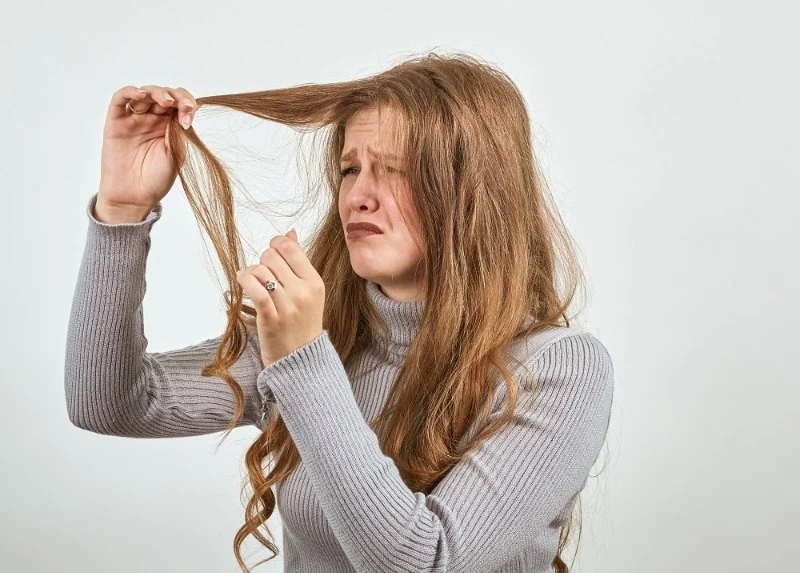
- Understanding Hair Breakage from Tight Hairstyles
- Common Causes of Breakage from Ponytails
- Assessing the Severity of Hair Damage
- Immediate Repair Strategies for Broken Hair
- Strengthening and Nourishing Hair
- Preventing Future Breakage from Hairstyles
- Professional Treatment Options
- Real-Life Examples and Success Stories
- Cary Hair Guide Tips for Long-Term Hair Health
Understanding Hair Breakage from Tight Hairstyles
Hair breakage caused by tight hairstyles, such as ponytails, braids, and buns, is a common issue that can affect hair length, texture, and overall health. This type of damage occurs when hair strands are subjected to excessive tension, weakening the cuticle and eventually causing the shaft to snap. Unlike hair shedding, which is natural and part of the growth cycle, breakage results in shorter, uneven strands that are difficult to manage.

1. The Science Behind Tension Damage
When hair is pulled tightly, the stress affects the cortex—the inner structure of the hair responsible for strength and elasticity. Repeated tension can strip away moisture, damage keratin bonds, and create weak points that lead to breakage.
2. Recognizing Early Signs
Early signs of hair breakage include frizz near the hairline, split ends, short strands along the ponytail line, and thinning at the temples. Identifying these indicators allows you to act before the damage worsens.
Common Causes of Breakage from Ponytails
1. Hair Elastics and Tight Bands
Using small, elastic bands that pull hair too tightly can concentrate stress in specific areas, causing snap points. Avoid bands with metal parts or those that grip too tightly.
2. Frequent Updos and Pulling Styles
Daily high ponytails or tight braids continuously stress hair roots and shafts. Over time, this repeated tension weakens hair and results in noticeable breakage.
3. Wet Hair Styling
Styling hair when it is wet is risky because the strands are more elastic and fragile. Pulling wet hair into tight styles can easily snap fibers.
Assessing the Severity of Hair Damage
Before beginning repairs, it’s essential to evaluate the extent of hair breakage. A clear assessment helps determine whether home remedies will suffice or if professional treatment is needed.
1. Mild Breakage
Short, sporadic strands near the hairline or around the ponytail line indicate mild damage. These can often be addressed with proper care and trimming.
2. Moderate Breakage
Thinning, uneven layers, or noticeable frizz across sections of hair suggest moderate damage. Repair may require conditioning treatments, protective styling, and routine trims.
3. Severe Breakage
Severe breakage includes hair that is weak, brittle, and prone to snapping along the length. In such cases, professional strengthening treatments and targeted hair care routines are recommended.
Immediate Repair Strategies for Broken Hair
1. Trim Split Ends
Trimming damaged ends prevents breakage from traveling up the hair shaft. Even a small trim can restore a healthier appearance and reduce tangling.
2. Use Protein-Rich Treatments
Protein treatments strengthen weak hair by filling gaps in the cuticle. Products containing keratin, silk amino acids, or hydrolyzed proteins can repair and reinforce strands.
3. Gentle Detangling
Use a wide-tooth comb or detangling brush to carefully remove knots, starting from the tips and moving upward. Avoid harsh tugging, which can exacerbate breakage.
Strengthening and Nourishing Hair
1. Deep Conditioning
Regular deep conditioning restores moisture, elasticity, and shine. Look for masks with natural oils like argan, coconut, or jojoba, which penetrate the hair shaft for lasting hydration.
2. Scalp Health
A healthy scalp supports hair growth and reduces breakage. Massaging the scalp with oils or using gentle, nourishing shampoos enhances blood circulation and strengthens follicles.
3. Protective Styles
Loose hairstyles, braids without tension, and low ponytails reduce stress on hair fibers. Protective styles can allow damaged hair to recover and prevent new breakage.
Preventing Future Breakage from Hairstyles
1. Alternate Hair Styles
Varying hairstyles gives hair time to rest. Avoid daily high-tension ponytails and alternate with loose buns, braids, or flowing hair.
2. Use Soft Accessories
Choose silk scrunchies or soft fabric bands instead of tight elastics. These reduce friction and minimize stress on hair strands.
3. Avoid Heat Overload
Minimize the use of flat irons, curling wands, or blow dryers, especially on already weakened hair. When heat styling is necessary, apply protective sprays to reduce damage.
Professional Treatment Options
1. Keratin and Bond Repair Treatments
Salons offer keratin-based or bond-repair treatments that rebuild broken links in the hair shaft, restoring strength and resilience.
2. Scalp and Hair Health Consultations
A professional stylist can assess the hair’s condition, recommend tailored products, and create a preventive routine to minimize breakage from future hairstyles.
3. Regular Trimming and Haircuts
Scheduled trims every 6-8 weeks prevent split ends from worsening and maintain a healthier, stronger overall look.
Real-Life Examples and Success Stories
Many people have successfully repaired hair breakage caused by tight ponytails by switching to gentler styling techniques. For example, a professional dancer who previously wore daily high ponytails noticed breakage along her hairline. By transitioning to low buns and using protein treatments, her hair regained strength within three months. Similarly, a mother who styled her daughter’s hair in tight braids learned to rotate hairstyles and use silk scrunchies, significantly reducing breakage and promoting healthy growth.
Cary Hair Guide Tips for Long-Term Hair Health
Cary Hair Guide recommends the following strategies for preventing and repairing hair breakage:
1. Maintain a Balanced Hair Care Routine
Regular conditioning, protein treatments, and gentle detangling help maintain strength and elasticity in hair prone to tension damage.
2. Track Hairstyle Frequency
Keep track of how often tight hairstyles are worn and schedule rest days to allow hair recovery.
3. Invest in Quality Hair Accessories
Use soft, non-metallic bands and clips to reduce stress on fragile hair strands.
4. Professional Guidance
For persistent breakage, consult a stylist or trichologist for personalized treatment plans and restorative options.
By understanding the causes, applying repair strategies, and following preventative care, anyone can restore strength and beauty to hair damaged by tight hairstyles and ponytails. For expert advice, products, and treatment options, Cary Hair Guide is a trusted resource for healthy, resilient hair.


 Status Signature Salon4.0 (22 reviews)
 Cut It Out Curt4.0 (84 reviews)
 Fluid Fades5.0 (8 reviews)
 Fade Inn4.0 (363 reviews)
 Victor's Barber Shop & Beauty Salon3.0 (230 reviews)
 The Shoppe: Hair & Skin Studio4.0 (166 reviews)
 Curtain Bangs, Shags & Lobs — Why They’re Coming Back in 2025
 How to Use Before & After Galleries to Choose a Haircut at a Hair Salon Near Me Smartly
 How to Ask for a Haircut Near Me That Lets You Skip Daily Heat Styling
 Top Easy Hairstyles You Can Do in 5 Minutes for Busy Mornings Guide
 The Best Haircuts Near Me for People With Sensitive Scalp or Allergies
 How to Choose a Hair Store Near Me for Your Post-Salon Maintenance Kit