
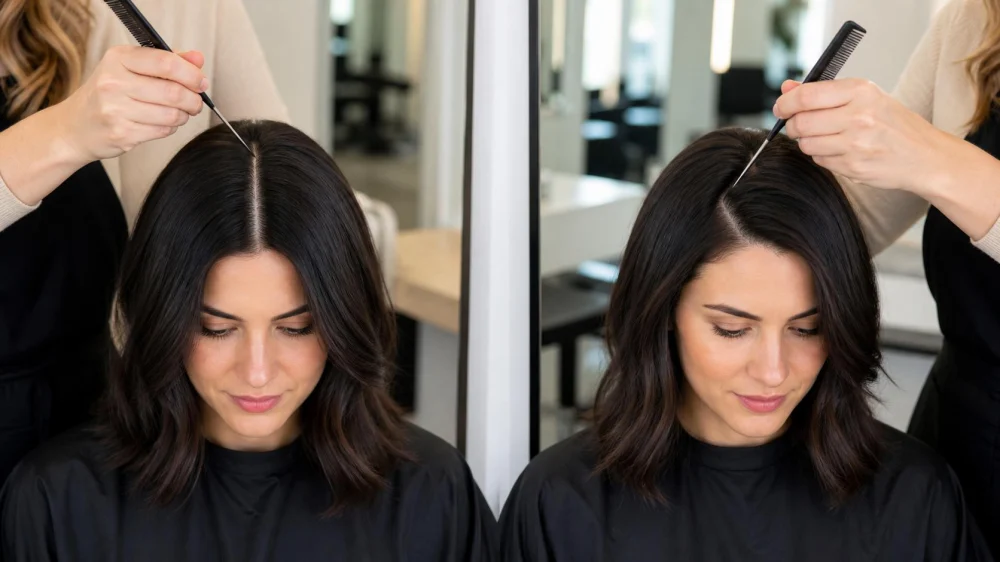
Changing Your Hair Part: Cowlick, Volume, and Training
On this page
Quick answer
To change your hair part, test the new line on damp—not dripping—hair, account for cowlick direction, and dry the roots gently in the intended position. Use clips or light styling product for temporary control rather than pulling tightly. Evaluate the part in natural light and through a full day before changing the haircut or committing to chemical services.
This styling guide is for everyday hair care. A part can redirect existing hair but cannot permanently change follicle direction or treat hair loss and scalp disease.

What a new part changes
A hair part is the line where hair is directed to opposite sides. Moving it changes how weight, root lift, face framing, gray distribution, and fringe fall appear. A side part can create lift on the heavier side; a center part can distribute volume more evenly.
The result depends on haircut layers, density, growth pattern, length, and texture. Short roots resist redirection more visibly, while long hair can be held by its own weight. A cowlick may split or push the part away from the chosen line.
Choose the placement
- Find the natural fall. Comb damp hair back, let it settle, and note where it separates without force.
- Map cowlicks. Look at the front hairline and crown from above with a mirror or photo.
- Test small shifts. Move the line a finger-width before jumping from a deep side to exact center.
- Check the back. Make sure the crown transition does not create an exposed zigzag or flattened patch.
- View multiple angles. Compare front, profile, and overhead photos in daylight.
- Wear it for a day. Note eye coverage, glasses contact, wind response, and whether you keep touching it.
Do not choose a part solely because it is called flattering for a face shape. Comfort, growth pattern, daily time, and the intended haircut are more useful criteria.
Gentle training routine
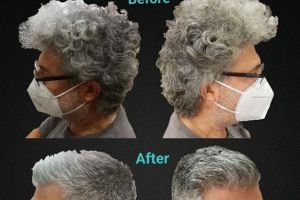
After washing, blot hair without rough rubbing. Use a wide-tooth comb or suitable detangling tool to create the new line. Work in sections so you are not dragging through knots from the root.
Direct the root area across its usual position, then back toward the new part with low to moderate airflow and comfortable heat. Keep the dryer moving and use a nozzle or diffuser appropriate to the texture. Stop if the scalp feels hot.
Set the roots with cool air if your dryer offers it, then use lightweight product only where needed. Flat clips can hold the line while hair cools, but they should not pinch, scrape, or create constant tension. Silk or satin accessories may reduce friction for some textures.
Repeat after normal washing rather than soaking and restyling the roots many times a day. “Training” means creating a repeated styling pattern; hair may return toward its natural growth after washing or humidity.
Adapt by hair texture
Straight or fine hair: use minimal product and focus on root direction. A deep part can expose more scalp, so test under strong light before deciding.
Wavy hair: place the part while wet enough to define sections, then avoid over-combing that separates wave clumps. A slightly irregular line can look more natural.
Curly or coily hair: decide whether the style needs a precise part, soft separation, or no visible line. Use fingers, a tail comb only when appropriate, and enough slip to avoid breakage. Do not force a dry dense section apart.
Locs, braids, or installed styles: part placement is built into the sectioning and tension plan. Discuss changes at the next service rather than pulling the existing pattern sideways.
Salon consultation checklist
- Show how you normally part and how much time you will style.
- Ask how layers, fringe, and perimeter shape will behave on both sides.
- Point out cowlicks, thinning areas, sensitive scalp zones, and glasses.
- Request a dry preview before a major cut when possible.
- Ask whether the haircut can switch between center and side parts.
- Have the stylist demonstrate root drying and product amount.
Limits and scalp notes
A new part may make an existing low-density area more visible; it does not cause sudden follicle loss by itself. However, tight clips, repeated pulling, heavy extensions, or aggressive brushing can stress hair and scalp. Stop a style that causes pain, bumps, breakage, or persistent tenderness.
Seek medical advice for sudden or patchy hair loss, scalp sores, spreading redness, drainage, severe itching, or pain. A stylist can adjust appearance and technique but should not diagnose a scalp condition.
FAQ
How long does it take hair to accept a new part?
There is no fixed time. Length, texture, cowlicks, humidity, and styling routine affect how long the placement holds.
Can I change the direction of a cowlick?
You can redirect and set the hair temporarily, but the underlying growth pattern remains. Work with the direction rather than forcing it tightly.
Does a center part suit everyone?
Any person can try one, but comfort, density, texture, glasses, and haircut determine whether it works for daily use.
Should I cut my hair before testing the part?
No. Wear the new placement first, then let the stylist cut for the behavior you have observed.
Why does the part split at the crown?
A crown whorl or layer length may redirect the hair. A stylist can connect the line, soften it, or design a less rigid part.
Next steps
Photograph the natural fall and cowlicks, test a small shift on damp hair, and wear it through a normal day. Bring those photos to the salon before changing fringe or layers, and ask for a low-tension styling demonstration.
Evidence note: This article reflects broad hair-styling principles. Individual hair, scalp, cut, and product instructions determine the best routine.



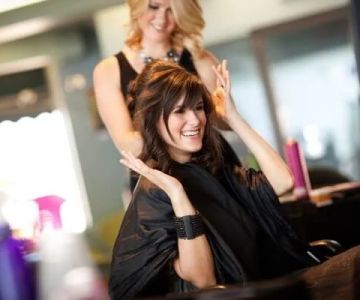
 LA Luz Alvarenga Hair Salon4.0 (44 reviews)
 Dominique Deverreaux Natural Strandz5.0 (7 reviews)
 Clippers Inc Barber Shop4.0 (62 reviews)
 O Spa4.0 (75 reviews)
 Persnikkity Styles3.0 (3 reviews)
 NOVACHIS SALON5.0 (51 reviews)
 Why “Hair Store Near Me” Still Beats Online Shopping for Certain Texture Products
 The Best Haircut Products You Can Buy at a Hair Store Near Me That Work Immediately
 How to Use a Hair Store Near Me to Stock a Travel-Friendly Hair Kit for Weekend Getaways
 How to Style Shoulder Length Hair for Everyday Casual Look
 Best Hair Color for Pale Skin Tones That Brighten Your Look
 Gray Blending Consultation: Coverage, Contrast, and Upkeep