
- 1-understanding-your-head-shape
- 2-types-of-fade-haircuts
- 3-matching-fade-styles-to-head-shapes
- 4-considering-hair-texture-and-density
- 5-preparing-for-your-fade-cut
- 6-maintenance-and-styling-tips
- 7-real-life-examples-and-case-studies
- 8-visit-cary-hair-guide-for-expert-advice
1. Understanding Your Head Shape
Before selecting a fade haircut, understanding your head shape is essential. Head shapes vary widely and include oval, round, square, oblong, and diamond shapes. Recognizing the contours of your head helps you choose a fade that enhances your natural features rather than highlighting asymmetries.

1.1 Identifying Key Features
Measure the length and width of your face, note your jawline and forehead shape, and identify prominent angles. This information allows barbers to adjust fade heights, tapering, and blending to create a balanced, flattering look.

1.2 Common Mistakes
One frequent mistake is choosing a fade style based solely on trends without considering face shape. This can lead to a haircut that looks uneven or disproportionate, even if it’s popular among celebrities.
2. Types of Fade Haircuts
Fade haircuts come in several variations, each with a distinct look. Understanding these types helps you make an informed decision based on your head shape and personal style.
2.1 Low Fade
A low fade starts just above the ears and gradually tapers downward. It works well for individuals with long or round faces, as it elongates and slims the facial appearance.
2.2 Mid Fade
The mid fade begins around the temple and offers a balanced blend between the top and sides. It suits most head shapes, especially those with symmetrical features.
2.3 High Fade
Starting near the crown, the high fade creates a bold contrast between the top and sides. Ideal for those with strong jawlines or square-shaped faces, it emphasizes angles and sharp features.
2.4 Skin Fade
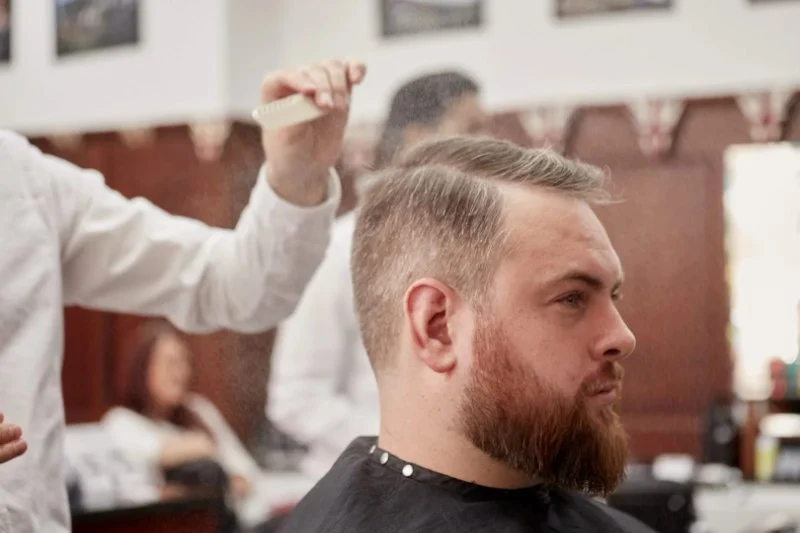
The skin fade tapers the hair down to the scalp, giving a clean, modern appearance. It works best for men seeking a sharp, polished look, though it requires regular maintenance to maintain its definition.
3. Matching Fade Styles to Head Shapes
Choosing the right fade depends on complementing your head shape. Here’s how different fades align with various face types:
3.1 Oval Heads
Oval heads are versatile. Most fade styles—from low to high—suit this shape. Subtle mid fades often provide a natural, balanced look.
3.2 Round Heads
High or mid fades with volume on top elongate the face, balancing round features. Avoid low fades as they may accentuate fullness.
3.3 Square Heads
Square faces benefit from low or mid fades that soften the jawline, while high fades can enhance angular features for a bold look.
3.4 Oblong or Rectangular Heads
Low fades paired with textured hair on top prevent the face from appearing too long. Maintaining volume strategically is key.
3.5 Diamond Heads
Mid fades with tapering on the sides complement the narrow forehead and chin, balancing overall proportions.
4. Considering Hair Texture and Density
Hair texture—from straight to curly—affects how fades look. Thick, dense hair allows for dramatic fade contrasts, while thin or fine hair requires careful blending to avoid harsh lines.
4.1 Curly Hair
Fades work well with curly hair if blended properly. Shorter fades prevent bulkiness and enhance curl patterns.
4.2 Straight Hair
Straight hair allows precise fade lines and smooth transitions. Consider tapering gradually to maintain natural appearance.
4.3 Wavy Hair
Wavy hair pairs beautifully with textured fades, providing movement and depth. Styling products can enhance definition without flattening the fade.
5. Preparing for Your Fade Cut
Preparation ensures the best results. Discuss your head shape, hair texture, and style preferences with your barber in advance.
5.1 Bring Reference Images
Images help barbers understand your desired outcome, reducing the risk of miscommunication.
5.2 Understand Maintenance
Some fade styles, especially skin fades, require frequent trims. Knowing your commitment level helps choose a style that remains sharp and manageable.
6. Maintenance and Styling Tips
Proper care prolongs the fade’s fresh appearance. Use quality hair products, combs, and moisturizing techniques to maintain texture and shine.
6.1 Trimming Schedule
Most fades require trims every 2-4 weeks to retain clean lines and proportion.
6.2 Daily Styling
Applying light pomades, waxes, or creams can enhance texture, hold volume, and define fades without weighing hair down.
7. Real-Life Examples and Case Studies
John, a client with a round face and curly hair, switched from a low fade to a mid fade with added volume on top. After three months, he noticed his facial features appeared more balanced, and styling became easier. Similarly, Marcus, with a square head shape, found that a high fade emphasized his jawline for a sharper, more professional look. These examples illustrate how fade selection directly impacts overall appearance.
8. Visit Cary Hair Guide for Expert Advice
For tailored recommendations, haircut inspiration, and product guidance, Cary Hair Guide provides expert insights into selecting the perfect fade that complements your head shape. Explore tips, tutorials, and personalized advice to maintain a stylish, confidence-boosting look.


 Wicked Parlor5.0 (68 reviews)
 Matisse4.0 (258 reviews)
 Cute Hair and Vintage5.0 (13 reviews)
 Refined Barber Co. Noble Square5.0 (77 reviews)
 Lilies & Spikes Kids & Teens Hair Salon & Spa4.0 (285 reviews)
 Adams Barber Shop4.0 (70 reviews)
 The Best Haircuts Near Me for Medium Length Hair That Can Go Long or Short
 How to Maintain Curls Without Frizz Throughout the Day
 How to Find the Perfect Hair Salon Near You That Suits Your Hair Type
 Curtain Bangs, Shags & Lobs — Why They’re Coming Back in 2025
 How to Choose a Haircut That Will Still Look Good in Six Months
 The Hidden Benefits of a Blow-Dry Bar Versus a Full Hair Salon Near You