
Understanding Why Long Hair Breaks and How Small Habits Make a Big Difference
- daily-hair-routines-that-protect-length - brushing habits, washing frequency, gentle handling
- moisture-and-strength-balance-in-hair-care - hydration needs, protein balance, product selection
- heat-styling-and-mechanical-damage-control - blow drying, flat irons, heat protection methods
- real-life-hair-breakage-experiences - personal stories, common mistakes, recovery journeys
- building-a-long-term-healthy-hair-strategy - maintenance routines, trimming cycles, lifestyle habits
Long hair is often seen as a symbol of health and beauty, but maintaining its strength requires far more attention than many people realize. Breakage doesn’t usually happen overnight—it builds up through repeated small habits that weaken strands over time. Understanding the science and behavior behind hair breakage is the first step toward preventing it.
Many people searching for the best tips for preventing hair breakage in long hair are surprised to learn that damage often begins with everyday routines like brushing too aggressively, skipping moisture balance, or using heat tools without protection. These small details matter more than expensive products alone.

Daily Hair Habits That Protect Length Instead of Destroying It
Brushing Techniques That Reduce Stress on Strands
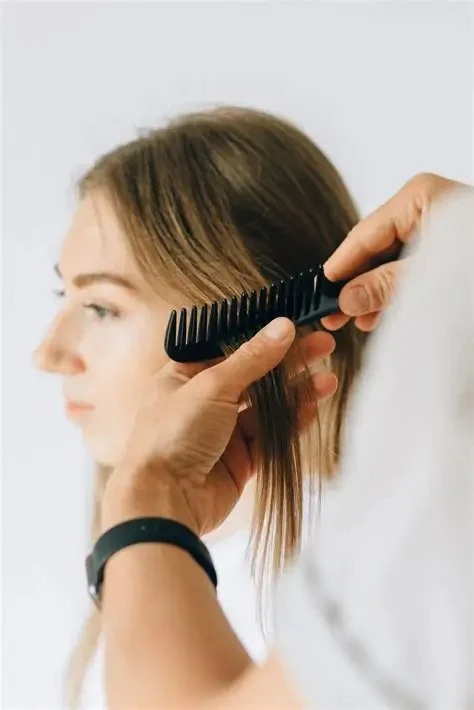
One of the most common causes of long hair breakage is improper brushing. Pulling through tangles from root to end creates tension that weakens the hair shaft. Instead, starting from the ends and gradually working upward significantly reduces mechanical stress.
A stylist once shared a case of a client who struggled with mid-length breakage despite using high-end products. The issue wasn’t the products—it was aggressive detangling after showering. Once she switched to gentle sectioning and wide-tooth combs, visible improvement occurred within weeks.

Washing Frequency and Scalp Balance
Overwashing can strip natural oils that protect long strands, while underwashing can lead to buildup that weakens follicles. Finding a balanced routine based on hair type is essential for long-term strength.
For example, individuals with fine long hair often benefit from washing every other day, while thicker textures may tolerate longer gaps. The goal is not rigid scheduling but observing how your scalp and strands respond over time.
Moisture and Protein: The Hidden Foundation of Strong Hair
Why Hydration Alone Is Not Enough
A common misconception in hair care is that moisture alone prevents breakage. While hydration is essential, hair also requires protein to maintain structure. Without this balance, strands can become overly soft and weak or stiff and brittle.
Think of hair like a rope: moisture keeps it flexible, but protein maintains its strength. Neglecting either side creates vulnerability to snapping and split ends.
Choosing Products That Actually Strengthen Long Hair
Shampoos and conditioners labeled for “repair” often contain a balance of moisturizing agents and strengthening proteins. However, not all formulas work for every hair type.
A real case involved a woman with waist-length hair who experienced constant breakage despite deep conditioning weekly. After switching to a protein-balanced routine every two weeks instead of daily heavy moisture treatments, her hair regained resilience and reduced shedding.
Heat Styling and the Slow Damage Most People Ignore
Understanding Cumulative Heat Damage
Heat tools like straighteners and curling irons do not always cause immediate breakage. Instead, they weaken the internal structure of hair over time. This is why damage often appears suddenly even when styling habits haven’t changed.
One overlooked factor is temperature inconsistency. Using excessively high heat repeatedly without protection can degrade keratin bonds, making strands more prone to snapping during simple brushing.
Heat Protection as a Non-Negotiable Step
Heat protectant products act as a barrier between styling tools and hair fibers. Skipping this step is one of the fastest ways to increase breakage risk, especially for long hair where older ends are more fragile.
In professional salons, stylists consistently apply protectants before every heat session, regardless of hair type. This practice alone significantly reduces long-term damage.
Real-Life Hair Breakage Stories That Highlight Common Mistakes
Case Study: The “Healthy Routine” That Wasn’t So Healthy
A social media trend once encouraged daily deep conditioning for long hair. One user followed this strictly for months, believing it would strengthen her strands. Instead, her hair became overly elastic and started snapping easily.
The issue was protein imbalance caused by excessive moisture without reinforcement. After adjusting her routine to include periodic protein treatments, her hair regained structure and reduced breakage dramatically.
Another Example: Tight Hairstyles and Hidden Stress
A second common case involves frequent tight ponytails or buns. While they appear harmless, constant tension at the same points leads to traction damage. Over time, this results in thinning edges and mid-shaft breakage.
Switching to looser styles and alternating hair placement helped many individuals recover visible density along the hairline.
Building a Long-Term Strategy for Strong, Resilient Hair
Trimming Cycles and Preventive Maintenance
Regular trims are not about losing length—they are about preserving it. Removing split ends early prevents them from traveling up the strand and causing more extensive breakage.
Most professionals recommend trimming every 8–12 weeks depending on hair condition, though this can vary based on styling habits and environmental exposure.
Lifestyle Factors That Influence Hair Strength
Hair health is also connected to sleep, nutrition, and stress levels. Deficiencies in key nutrients like biotin, iron, and omega-3 fatty acids can contribute to weak strands over time.
Hydration and diet often show results slower than topical treatments, but they form the foundation of sustainable hair strength.
For readers looking to build a complete care system, Cary Hair Guide offers curated insights and product recommendations designed specifically for maintaining long, healthy hair and reducing breakage risks at every stage of growth.
Developing a Routine That Actually Works for Long Hair
Consistency Over Complexity
The most effective hair care routines are not the most complicated—they are the most consistent. Simple habits repeated correctly over time outperform expensive but inconsistent treatments.
Listening to Your Hair’s Signals
Hair changes with seasons, stress, and product use. Learning to recognize early signs of dryness, elasticity loss, or increased shedding allows timely adjustments before major breakage occurs.
Ultimately, preventing hair breakage in long hair is less about chasing perfect products and more about understanding how daily choices shape long-term results.


 Gold Chair Barber Lounge.4.0 (65 reviews)
 LaserAway - Bucktown4.0 (445 reviews)
 Elliott The Barber5.0 (12 reviews)
 X5 Cuts4.0 (317 reviews)
 Old Town Barbershop4.0 (207 reviews)
 Shear Image5.0 (9 reviews)
 Why Does My Hair Feel Dry Even After Using Hair Masks? Find Out the Reason
 How to Find a Hair Salon Near Me That Offers Credit or Payment Plans for Premium Services
 How to Choose a Hair Store Near Me That Offers Refill Programs for Eco-Conscious Shoppers
 How to Create Loose Waves Without Heat for Beginners
 The Ultimate Guide to Scalp Detox Before Your Next Haircut
 How to Select the Right Shampoo from a Hair Store Near Me Based on Your Water Hardness