
- 1. Understanding Balayage and Its Appeal
- 2. How to Ask for a Balayage Without Looking Over-Processed
- 3. Key Factors to Consider When Getting a Balayage
- 4. Common Mistakes to Avoid When Getting a Balayage
- 5. Aftercare Tips for Maintaining Your Balayage
1. Understanding Balayage and Its Appeal
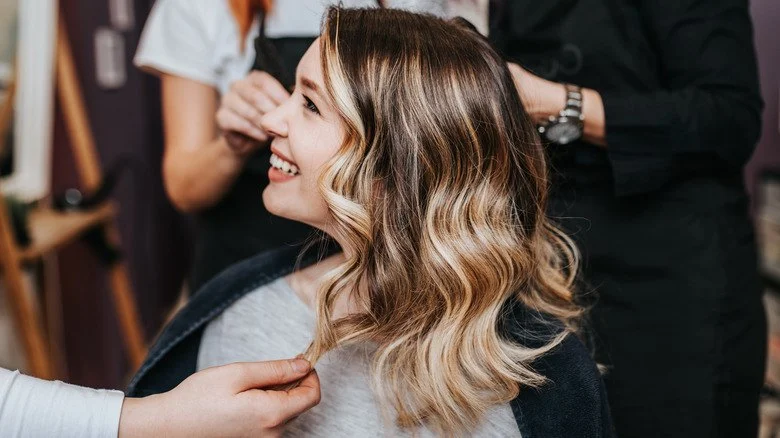
Balayage is a popular hair coloring technique that involves hand-painting highlights onto the hair for a natural, sun-kissed look. Unlike traditional highlights, which use foils to lift the color, balayage allows for a more blended, seamless finish. This technique creates soft transitions from dark to light, giving the hair dimension without harsh lines or regrowth problems. Over the years, balayage has become a go-to look for many, loved for its versatility and ability to flatter various hair types and lengths.

2. How to Ask for a Balayage Without Looking Over-Processed
One of the most common concerns when opting for balayage is ensuring that the result doesn’t appear too harsh or overdone. To achieve a natural, beautiful balayage without looking over-processed, clear communication with your stylist is key. Here’s how you can request a balayage that suits your style:
Be Specific About the Look You Want
When discussing balayage with your stylist, be clear about your preferences. Do you want a subtle, sun-kissed effect or something more dramatic? It’s essential to let your stylist know how light or dark you want your balayage to be. If you’re unsure, bringing in reference photos can help your stylist understand exactly what you’re aiming for.
Avoid Over-lightening the Ends
For a more natural balayage, avoid asking for extremely light ends unless you are certain it suits your complexion. Instead, aim for a gradual, softer transition. Over-lightened ends can make the hair look overly processed and lack the seamless blending effect that balayage is known for.
Discuss Your Hair Type and Desired Maintenance
Different hair types respond to balayage differently, so it’s crucial to discuss your hair’s texture and maintenance level with your stylist. If you have fine hair, you may want a lighter balayage that doesn’t overwhelm your strands. On the other hand, thicker hair can handle more intense highlights. Be sure to mention how much maintenance you’re willing to commit to, as balayage can require touch-ups every few months depending on how quickly your hair grows.
3. Key Factors to Consider When Getting a Balayage
To ensure you get the best balayage results, it’s important to consider several factors before committing to the process:
Color Contrast
Balayage looks most natural when there is a soft contrast between your base color and the highlights. It’s important to maintain a harmonious blend that complements your natural hair color rather than a stark contrast that can look artificial.
Hair Length and Layers
The length and layers of your hair can affect the outcome of your balayage. Longer hair tends to look great with balayage as the color can blend effortlessly into the lengths. However, shorter hair requires more precise application to ensure a balanced and natural effect.
Stylist Experience
Balayage is a freehand technique that requires skill and precision. Ensure that your stylist has experience with balayage and understands the nuances of this coloring method. Look for a stylist who specializes in balayage or has great reviews on their work to ensure you achieve the results you desire.
4. Common Mistakes to Avoid When Getting a Balayage
While balayage is a versatile and popular technique, there are common mistakes to be aware of when getting your balayage done. Avoid these errors for the best results:
Over-Processing the Hair
One of the most common mistakes people make when getting balayage is over-processing their hair. Over-lightened balayage can make the hair look dry and unnatural. Make sure your stylist is applying the right amount of bleach to avoid damage and ensure a healthy finish.
Choosing the Wrong Color
Choosing a color that doesn’t suit your natural tones can lead to an unnatural look. Balayage should enhance your natural hair color, not overpower it. Work with your stylist to pick shades that complement your complexion and hair type.
Not Maintaining the Health of Your Hair
Balayage requires healthy hair to achieve a beautiful result. Neglecting proper hair care and not maintaining your hair’s health can lead to dry, brittle ends that detract from the look of your balayage. Be sure to keep your hair well-moisturized and use products specifically designed for color-treated hair.
5. Aftercare Tips for Maintaining Your Balayage
Once you’ve achieved the perfect balayage, it’s important to follow proper aftercare to keep your hair looking fresh and vibrant. Here are some tips to maintain your balayage:
Use Color-Safe Hair Products
To maintain the vibrancy of your balayage, opt for color-safe shampoos and conditioners that help preserve your hair’s color while also nourishing it. Avoid products with sulfates, as they can strip the color and dry out your hair.
Avoid Frequent Heat Styling
Excessive heat styling can damage your balayage and cause your hair to lose its natural shine. Limit the use of hot tools and embrace heatless styles like braids or buns to reduce damage.
Regular Touch-Ups
Balayage is low-maintenance, but it does require touch-ups every few months. Make sure to visit your stylist for a refresh to keep the color looking fresh and vibrant.


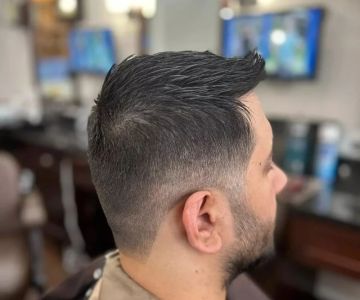
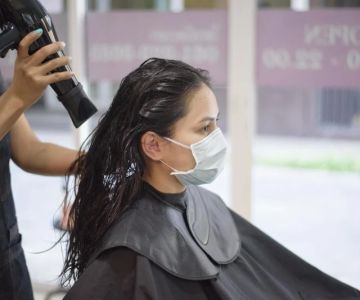
 Mane Attraxion Beauty0.0 (0 reviews)
 Brown's Barber & Beauty Shop3.0 (11 reviews)
 EveryBody Beauty Club5.0 (67 reviews)
 Chicago Hair Extensions Salon4.0 (63 reviews)
 Yina & Rommel Hair Salon5.0 (1 reviews)
 Contenders Barbershop5.0 (30 reviews)
 The Best Haircut Styles Near Me for Wedding Guests, Bridesmaids & Mothers of the Bride
 How to Choose the Right Haircut for Fluffy or Porous Hair That Needs Extra Care
 Why Choose a Boutique Hair Salon Over a Big Chain for Your Next Haircut
 How to Shop at a Hair Store Near Me for Products That Protect Against Pollution Damage
 Best Hairstyles for 30-Somethings: Tips for a Youthful, Elegant Look
 How to Shop at a Hair Store Near Me for Heat-Resistant Styling Tools That Last | Cary Hair Guide