
Haircut Neckline Guide: Tapered, Rounded, Blocked, or Natural?
On this page
Quick answer
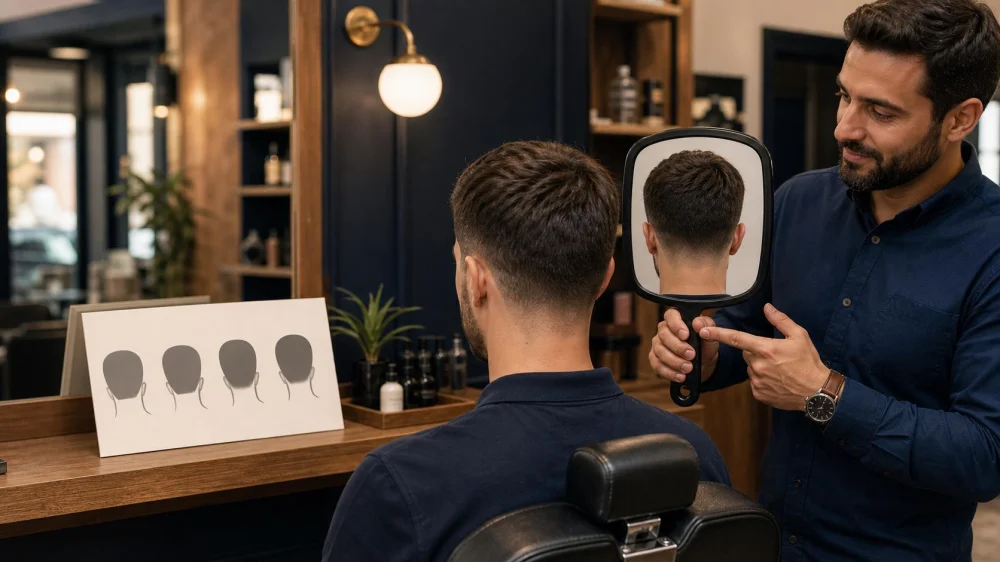
The neckline is the lower boundary of a short haircut at the nape. A taper gradually shortens into the natural edge, a rounded finish curves the corners, a blocked finish creates a straighter horizontal line, and a natural finish removes minimal length from the existing growth pattern. Names vary by barber and salon, so use photos and a mirror.
Choose based on hair density, cowlicks, natural hairline, neck shape, haircut silhouette, dress-code preference, and how often you want cleanup. Ask how the line will look after two or three weeks—not only on appointment day.

Sugaring NYC - Lincoln Square
4740 N Lincoln Ave unit 1n, Chicago, IL 60625, USA
Compare neckline shapes
A tapered neckline usually grows out softly because there is no single hard boundary. It can complement fades, classic short cuts, and clients who prefer a less obvious regrowth line. The taper depth can be subtle or pronounced, so specify how high the transition should begin.
A blocked or squared neckline creates a strong graphic finish, but new growth may show sooner and the corners can broaden the visual base. A rounded neckline softens those corners while keeping a defined boundary. A natural neckline preserves irregularities and may need only stray-hair cleanup. None is universally more flattering; proportion and execution matter.
Plan for growth and hair pattern
Look at the nape before it is wet, combed flat, or clipped. Swirls, upward growth, double hairlines, fine patches, scars, skin folds, and uneven density influence the result. Cutting a hard line above a low natural hairline may reveal a shadow or create a second line as hair returns.
Ask how frequently the chosen shape normally needs cleanup for your growth rate. If visits are far apart, a softer taper or natural edge may look intentional longer. If a precise uniform finish is important, schedule maintenance before the line loses its geometry.
Communicate at the consultation
- Show one front, side, and back reference photo when possible.
- Point to the maximum height you are willing to expose at the nape.
- State whether you prefer a soft transition or sharp outline.
- Ask the professional to identify cowlicks, low growth, and density changes.
- Confirm clipper, trimmer, razor, or scissor use and any skin sensitivity.
- Discuss how the neckline connects to sideburns, fade, layers, or longer hair above.
- Agree on maintenance frequency and home styling.
A request such as “clean it up” is ambiguous. Ask the stylist to repeat the planned shape and height before the first defining cut.
Review before leaving
Use a hand mirror in neutral light. Check the center, both corners, transition into the sides, and how the line sits when your head is upright. Compare symmetry while remembering that natural hairlines and neck shapes are not perfectly symmetrical.
Run a clean hand lightly over the transition only after loose hairs are removed. Report pinching, cuts, unusual redness, or sharp stray hairs. If the line is higher than expected, more cutting cannot restore it; discuss styling and grow-out rather than chasing the error upward.
Neckline checklist
- Natural nape pattern viewed while dry
- Tapered, rounded, blocked, or natural intent chosen
- Maximum height pointed out
- Soft versus sharp finish clarified
- Skin sensitivity and tool preference mentioned
- Connection to sides and upper haircut planned
- Growth and cleanup schedule discussed
- Back view checked with head in neutral position
- Final photos saved for the next visit
Limitations
Terminology differs across regions and shops, and a photo may show a different density, growth pattern, or head shape. This guide cannot predict the exact result or diagnose scalp irritation. A trained barber or stylist must assess the individual nape.
FAQ
Which neckline grows out best?
A soft taper or natural edge often shows less abrupt regrowth, but results depend on the hair pattern and cut height.
Does blocked mean perfectly straight?
It usually means a defined base, but the professional may adjust it to the natural neck and haircut.
Can a low hairline be moved higher?
It can be cut above, but regrowth may create a visible second line. Discuss the tradeoff first.
Should I shave the neckline between visits?
Ask your stylist. Home cleanup can raise or distort the planned line and is difficult to perform evenly.
What if the corners curl?
A rounded, tapered, or slightly softer finish may work better than forcing a sharp square against the growth pattern.
Evidence notes
The strongest consultation evidence is a dry-hair observation of the nape, reference photos showing the back, the agreed maximum height and edge character, documented tool or skin concerns, and final photos in consistent lighting. These records make the next appointment more repeatable.
Conclusion
The best neckline is the one that fits both the haircut today and the growth pattern tomorrow. Compare shape, edge strength, height, and maintenance; make the plan visible in a mirror; and save the finished back view for future appointments.



 Unique Skin Services5.0 (2 reviews)
 Arsova Salon4.0 (638 reviews)
 Penny's Hair Design4.0 (60 reviews)
 Oak Park Barbers4.0 (63 reviews)
 Wrist Work Cuts4.0 (45 reviews)
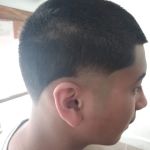 Platinum Fades4.0 (134 reviews)
 Best Ombre Styles That Are Still Popular in 2026 | Cary Hair Guide
 The Best Haircut Trends Near Me for Autumn 2025 You Can Still Book This Month
 How to Ask for a Haircut Near Me That Lets You Skip Daily Heat Styling
 How to Fix Hair Breakage Caused by Tight Hairstyles and Ponytails
 Best Tips for Maintaining Vibrant Hair Color Longer Without Fading
 Why “Hair Store Near Me” Still Beats Online Shopping for Certain Texture Products