

Bangs Consultation: Length, Shrinkage, Cowlicks, and Daily Upkeep
On this page
Quick answer
Before cutting bangs or a fringe, show the stylist your hair dry in its usual pattern and part. Point out cowlicks, widow's peak, strong growth directions, shrinkage, curls, previous bangs, and pieces that separate. Agree on the shortest acceptable dry visible length, whether the shape should work air-dried or heat-styled, and how often you are willing to trim it.
Start longer when you and the stylist need to learn how the section springs, bends, or separates. More length can be removed; an overly short section must grow.
Choose the function, not just the name
Terms such as blunt, curtain, bottleneck, side-swept, micro, wispy, or curly bangs describe broad looks, not standardized diagrams. Explain what you want the section to do: cover the forehead, open at the center, blend into cheek layers, sit above glasses, soften a part, or grow out easily.
- Show front and side reference views.
- Choose examples with similar texture and density.
- Point to the desired center and corner lengths.
- Say whether you tuck hair behind the ears.
- Explain how often you change the part.
Show natural growth and shrinkage
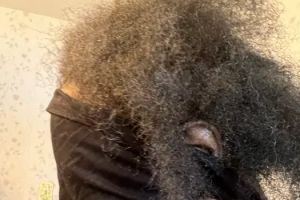
Arrive as the salon instructs, ideally without clips, hats, tight ponytails, or heavy product that hides the front growth pattern unless requested. Let the stylist see where strands lift, split, swirl, or fall forward. Curls and waves can shrink by different amounts across the same hairline.
If you sometimes straighten the hair, discuss how the section should look in both states and which state matters most.

Set a dry visible length boundary
Use facial landmarks only as a shared visual reference, not a promise of identical results. State the point the shortest dry piece must not rise above during normal movement. Check the length sitting upright, looking down, turning the head, and after the hair settles.
- Agree on the section width and depth.
- Confirm the cutting state: dry, damp, wet, or combined.
- Cut a conservative guide.
- Dry or release the section in its normal pattern.
- Refine gradually with the client's approval.
Test the daily routine
Ask what the bangs require after sleep, exercise, rain, or humidity. Practice the minimum routine you can realistically repeat: misting, finger shaping, brush and dryer, diffuser, roller, flat iron, or no heat. Discuss product amount and where it should stay off the forehead.
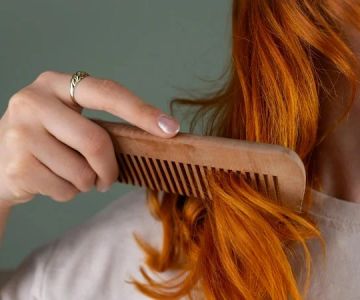
American Academy of Dermatology guidance recommends minimizing pulling and excessive heat. Use the lowest effective heat and keep hot tools away from skin.
Include glasses, movement, and climate
Wear your everyday glasses during the check so the fringe does not fight the frames or block vision. Mention helmets, head coverings, hearing devices, work safety gear, sweat, and local humidity. Check whether the hair falls into the eyes when walking or looking down.
People with scalp conditions, recent hair loss, breakage, or skin irritation should share relevant clinician guidance and avoid a service that aggravates symptoms.
Plan trims and grow-out
Ask how quickly the shape may enter the eyes, whether the salon offers bang trims, what they cost, and how to book. Do not trim impulsively under different tension or texture than the salon used.
For grow-out, decide which pieces will blend toward the temples and how clips, part changes, or face-framing layers can support the transition without excessive tension.
Important limitations
This is general U.S. salon-planning guidance, not dermatology or individualized styling advice. Hair pattern, density, growth direction, climate, scalp health, and stylist method vary. Seek a board-certified dermatologist for persistent irritation, sores, sudden shedding, or patchy loss.
Evidence notes
AAD hair-care guidance emphasizes gentle handling, limited pulling, texture-aware detangling, and protection from excessive heat. Bang planning applies those principles to a high-visibility section where growth direction, shrinkage, routine, and maintenance strongly affect the result.
FAQ
Should bangs be cut wet or dry?
Either or both may work; confirm the stylist's method and evaluate the final dry position.
Can I have bangs with curly hair?
Yes. Plan around the actual curl pattern, shrinkage, density, and desired routine.
How do I show the minimum length?
Point to the shortest acceptable dry position and check it after the section settles.
Should I wear glasses to the appointment?
Yes, if you wear them regularly, so the stylist can check interaction with the frames.
What if my bangs split at the center?
Show the natural growth direction and ask whether the design can use rather than fight it.
Next steps
Bring your everyday glasses and front-and-side reference photos, arrive in the requested hair state, and identify the natural part, cowlicks, shrinkage, and minimum dry length. Agree on the daily routine and trim plan before cutting.




 Don Vic and Neil Barbershop4.0 (124 reviews)
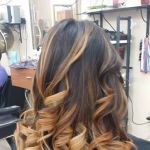 Perfect Cut by Abraham4.0 (108 reviews)
 Artsy Barber | Chicago Barbershop + Art Gallery5.0 (106 reviews)
 Symmetric Hair Cuts5.0 (4 reviews)
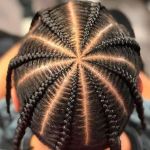 Braids&Weaves/ Braids on Sedgwick4.0 (10 reviews)
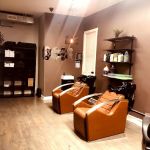 So Eve’s Hair Studio4.0 (28 reviews)
 How to Choose the Right Hairstylist Based on Your Hair Type
 Best Tips for Maintaining Vibrant Hair Color Longer Without Fading
 Best Hair Color Ideas for Summer Glow Up Look That Transform Your Style
 How to Select the Right Shampoo from a Hair Store Near Me Based on Your Water Hardness
 Best Hairstyles for Men with Long Hair That Are Practical
 Celebrity-Inspired Haircuts That Are Surprisingly Easy to Achieve at Local Salons