
Finding the Perfect Hairstylist for Your Hair Type
- 1 - Understanding Your Hair Type
- 2 - Curly Hair and Specialized Stylists
- 3 - Straight Hair Considerations
- 4 - Wavy Hair Choices
- 5 - Fine and Thin Hair Tips
- 6 - Thick and Coarse Hair Strategies
- 7 - Color Treatment Expertise
- 8 - Cutting Techniques and Styling Approaches
- 9 - Checking Credentials and Experience
- 10 - Consultation and Personalized Advice
- 11 - Client Reviews and Word-of-Mouth
- 12 - Questions to Ask During a Visit
- 13 - Maintaining Hair Health Between Visits
- 14 - Stylist Specialization in Trends
- 15 - Managing Hair Damage and Repair
- 16 - At-Home Care and Products
- 17 - Balancing Budget and Quality
- 18 - Tips for Long-Term Stylist Relationships
- 19 - Real-Life Success Stories
- 20 - Using Cary Hair Guide for Stylist Selection
- 21 - Final Considerations
- 22 - Avoiding Common Mistakes
- 23 - Adjusting Stylist Choice Over Time
- 24 - Personalizing Your Styling Routine
- 25 - Seasonal Haircare Considerations
- 26 - Professional Development of Stylists
- 27 - Ensuring Safety and Hygiene
- 28 - Evaluating Hair Products and Tools
- 29 - Balancing Trends and Personal Style
- 30 - Understanding Stylist Specialties
- 31 - Communication and Expectations
- 32 - Managing Hair Growth and Shape
- 33 - Adaptability to New Techniques
- 34 - Stylist Portfolio Review
- 35 - Recognizing Certified Experts
- 36 - Understanding Damage-Prone Hair Types
- 37 - Balancing Chemical Treatments
- 38 - Frequency of Appointments
- 39 - Seasonal Haircuts and Styles
- 40 - Personal Styling Goals
- 41 - Long-Term Hair Health Strategies
- 42 - Evaluating Hair Consultation
- 43 - Stylist Compatibility and Communication
- 44 - Researching Hair Trends
- 45 - Preparing for First Visit
- 46 - Documenting Hair History
- 47 - Balancing Expectations and Reality
- 48 - Continuous Feedback and Adjustments
1 - Understanding Your Hair Type
Begin by identifying your hair type—straight, wavy, curly, or coily. Recognizing texture, thickness, and porosity helps you find a stylist skilled in handling your specific hair characteristics.
2 - Curly Hair and Specialized Stylists
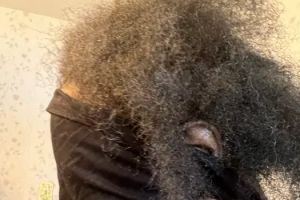
Curly hair requires careful cutting techniques and moisturizing treatments to maintain definition and reduce frizz. Look for stylists with experience in DevaCut or similar methods designed for curls.

3 - Straight Hair Considerations
Straight hair benefits from stylists who can create layered cuts and volume without compromising smoothness. Techniques like razor cutting or texturizing may enhance movement and body.
4 - Wavy Hair Choices
Wavy hair is versatile but requires precision to prevent uneven layering or excessive bulk. Opt for stylists experienced in air-drying techniques and customized layering.
5 - Fine and Thin Hair Tips
Choose a stylist adept at adding texture, layers, and volume-enhancing styles without causing breakage. Lightweight products and careful sectioning are essential for maintaining healthy hair.
6 - Thick and Coarse Hair Strategies
Thick or coarse hair requires stylists with experience in handling density and reducing weight while keeping style integrity. Techniques include thinning shears, strategic layering, and smoothing treatments.
7 - Color Treatment Expertise
If coloring is part of your routine, select a stylist trained in color theory and hair type-specific coloring techniques. Knowledge of highlights, balayage, and chemical processes ensures optimal results without damage.
8 - Cutting Techniques and Styling Approaches
Assess the stylist's proficiency with various cutting methods, including scissor-over-comb, point cutting, and texturizing. Proper techniques help achieve the desired look while respecting hair structure.
9 - Checking Credentials and Experience
Verify certifications, years of experience, and ongoing training. Stylists who invest in education are more likely to be knowledgeable about handling specific hair types and trends.
10 - Consultation and Personalized Advice
Effective stylists offer detailed consultations, listening to your hair goals, lifestyle needs, and concerns. Personalized plans tailored to your hair type ensure better outcomes and satisfaction.
11 - Client Reviews and Word-of-Mouth
Seek reviews from clients with similar hair types. Positive feedback on handling specific textures and achieving desired results indicates a stylist’s expertise.
12 - Questions to Ask During a Visit
Inquire about experience with your hair type, recommended products, and maintenance tips. Ask how they approach cutting, coloring, and styling for your texture.
13 - Maintaining Hair Health Between Visits
Stylists should provide guidance on proper shampooing, conditioning, heat protection, and styling techniques to preserve health and style longevity.
14 - Stylist Specialization in Trends
While technical skill is crucial, a stylist familiar with current trends can offer innovative options and styling ideas that suit your hair type and personal style.
15 - Managing Hair Damage and Repair
Look for expertise in repairing damage caused by heat, chemicals, or environmental factors. Treatments like deep conditioning, protein masks, and corrective coloring enhance hair strength and appearance.
16 - At-Home Care and Products
Stylists should recommend suitable products for your hair type, including shampoos, conditioners, oils, and styling tools. Guidance on frequency and application ensures effective maintenance.
17 - Balancing Budget and Quality
While high-end stylists may charge more, quality expertise tailored to your hair type can prevent costly mistakes and damage. Consider long-term value over short-term savings.
18 - Tips for Long-Term Stylist Relationships
Maintain consistent appointments, communicate openly about preferences, and update the stylist on changes in hair health. Strong relationships lead to better results over time.
19 - Real-Life Success Stories
Many clients report transformative experiences after switching to a stylist experienced in their hair type. Examples include improved curl definition, reduced frizz, and healthier color-treated hair.
20 - Using Cary Hair Guide for Stylist Selection
Cary Hair Guide offers curated lists of stylists categorized by hair type, specialty, and customer reviews. Utilizing the platform simplifies finding a stylist suited to your specific needs.
21 - Final Considerations
Choosing the right hairstylist involves understanding your hair type, evaluating experience, consulting, and reviewing client feedback. Prioritizing health, style, and personal preference ensures a satisfying and effective hairstyling experience.
22 - Avoiding Common Mistakes
Avoid selecting stylists based solely on price or popularity. Instead, focus on expertise with your hair type and proven results. Missteps can lead to damage or unsatisfactory outcomes.

 Margaux Blackwell Hair4.0 (6 reviews)
 Shear Style Haircare By Heide4.0 (30 reviews)
 Honey's Braid N Weave4.0 (4 reviews)
 LAY MII SHEA4.0 (16 reviews)
 Holla Professional African Hair braiding5.0 (13 reviews)
 CALI COLOR BAR0.0 (0 reviews)
 How to Style Medium Length Hair for a Polished Everyday Look
 How to Choose Between a Hair Store Near Me vs Online Shopping for Products
 Curly Girl Method: What to Buy at a Hair Store Near Me and How to Get it Right
 How to Combine Haircut + Colour in One Visit Without Damaging Your Hair
 Best Hairstyles for Women with Thin Hair That Look Fuller
 How to Find a Hair Store Near Me That Offers Kits for At-Home Haircut Maintenance