
- - Understanding-How-Hair-Structure-Actually-Works
- - Main-Reasons-Hair-Becomes-Damaged-Over-Time
- - Natural-Methods-to-Rebuild-Hair-Strength
- - Daily-Habits-That-Accelerate-Hair-Recovery
- - Real-Life-Hair-Recovery-Stories
- - Nutrition-and-Its-Role-in-Hair-Reconstruction
- - Common-Mistakes-That-Slow-Down-Healing
- - Professional-Insights-on-Long-Term-Hair-Health
- - Building-a-Sustainable-Hair-Care-System
Understanding How Hair Structure Actually Works
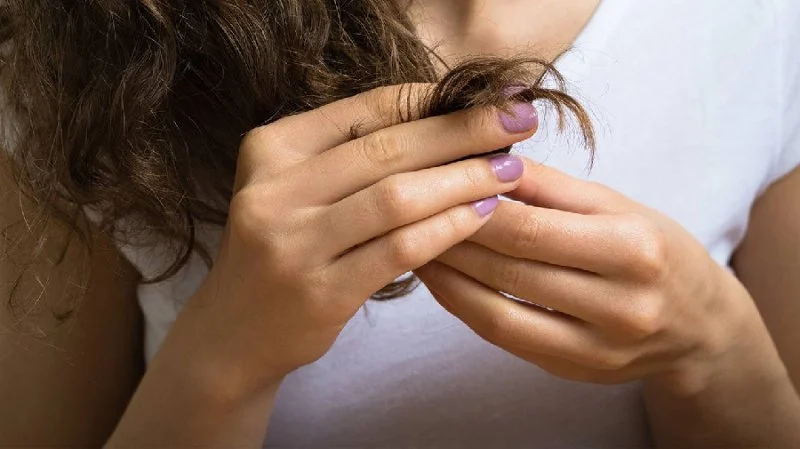
To understand how to rebuild damaged hair structure naturally, it helps to first know what you’re actually repairing. Hair is made of keratin proteins arranged in overlapping layers, much like roof shingles. When those layers are smooth, hair looks shiny and strong. When they lift or break, hair becomes dry, brittle, and prone to frizz.
Damage isn’t just cosmetic. Once the internal protein bonds weaken, hair loses elasticity and struggles to retain moisture. This is why deeply damaged hair often feels “straw-like” no matter how many products are applied.
At Cary Hair Guide, many people describe the same experience: their hair “suddenly changed” after bleaching, heat styling, or stress. In reality, the damage was gradual but became visible only after crossing a structural threshold.
Main Reasons Hair Becomes Damaged Over Time
1. Excessive Heat Styling
Flat irons, curling tools, and blow dryers weaken keratin bonds when used frequently without protection.
2. Chemical Treatments
Bleaching, coloring, and perming alter hair structure permanently if not followed by proper recovery care.
3. Environmental Stress
Sun exposure, pollution, and hard water gradually strip natural oils and weaken the hair cuticle.
4. Mechanical Stress
Brushing wet hair aggressively or using tight hairstyles creates micro-tears in strands.
Natural Methods to Rebuild Hair Strength
When exploring how to rebuild damaged hair structure naturally, the goal is not quick fixes but gradual restoration of protein-moisture balance.
Deep Moisture Treatments
Natural oils like argan, coconut, and avocado oil help restore softness and improve elasticity. They penetrate the hair shaft and reduce breakage over time.
Protein Rebalancing
Hair needs protein to rebuild structure, but too much can cause stiffness. Natural protein masks using eggs, yogurt, or plant-based keratin alternatives can help restore strength gently.
Scalp Health Focus
A healthy scalp is the foundation of strong hair. Massaging with rosemary oil or aloe-based treatments improves circulation and supports regrowth.
Daily Habits That Accelerate Hair Recovery
Gentle Washing Routine
Switching to sulfate-free shampoos reduces stripping of natural oils, allowing damaged strands to recover faster.
Air Drying Instead of Heat
Allowing hair to dry naturally reduces stress on fragile strands during recovery phases.
Protective Styling
Loose braids or buns prevent friction and reduce breakage during sleep or daily movement.
Real-Life Hair Recovery Stories
A salon client in California once shared how her hair became severely brittle after repeated bleaching for fashion coloring trends. She initially relied on expensive treatments but saw little improvement.
After switching to a natural recovery routine focused on oil treatments, reduced heat usage, and protein-moisture balancing, her hair began regaining softness within three months. The transformation wasn’t instant, but it was consistent and sustainable.
Another case involved a college student who experienced breakage from tight hairstyles and stress. Once she introduced scalp massages and reduced tension styling, her hair density improved noticeably over time.
Nutrition and Its Role in Hair Reconstruction
Hair recovery doesn’t happen externally alone. Internal nutrition plays a major role in rebuilding structure.
Protein-rich foods like eggs, lentils, and fish support keratin production. Vitamins such as biotin, zinc, and vitamin E also contribute to stronger hair growth cycles.
Without proper nutrition, even the best topical treatments have limited long-term impact.
Common Mistakes That Slow Down Healing
Overusing Protein Products
Too much protein leads to stiffness and breakage instead of repair.
Skipping Moisture Balance
Focusing only on strength without hydration creates brittle hair.
Frequent Heat Reapplication
Repeated styling resets progress and weakens recovery efforts.
Professional Insights on Long-Term Hair Health
Trichologists often emphasize that how to rebuild damaged hair structure naturally is a cycle of patience and consistency rather than aggressive treatment.
Healthy hair recovery typically follows a 3-phase pattern: stabilization, repair, and maintenance. Skipping any phase often leads to recurring damage.
Experts at Cary Hair Guide recommend tracking hair texture changes monthly rather than daily, since recovery is gradual and subtle.
Building a Sustainable Hair Care System
The most effective long-term approach combines gentle cleansing, controlled styling, and periodic deep treatments. Consistency matters more than product variety.
Many people make the mistake of constantly switching products, but hair responds better to stable routines that allow it to adapt and rebuild.
Over time, this structured approach leads to stronger strands, improved shine, and reduced breakage without dependency on intensive salon treatments.
For those looking to explore curated routines, expert advice, and restorative product recommendations, Cary Hair Guide offers detailed resources designed to support long-term hair health and natural recovery strategies.



 Memfis Naturals Chicago5.0 (16 reviews)
 Riveting Wellness Cosmetic Solutions5.0 (1 reviews)
 Kutz By Keyno0.0 (0 reviews)
 Jayuya Barberstylist0.0 (0 reviews)
 M'Bellish Hair Studio4.0 (43 reviews)
 S & E Barbershop4.0 (77 reviews)
 How to Use a Hair Store Near Me to Stock a Travel-Friendly Hair Kit for Weekend Getaways
 The Best Haircut Products You Can Buy at a Hair Store Near Me That Work Immediately
 How to Find a Hair Salon Near Me That Understands Colour Correction for Platelets
 The Best “Haircut Near Me” Options for Wavy Hair That Needs Less Daily Styling
 How to Choose a Hair Store Near Me for Organic Haircare Ingredients You Can Trust
 The Most Googled Hair Colour Questions and How to Answer Them