
- 1. Understanding the Connection Between Sleep Habits and Hair
- 2. How Sleep Affects Your Hair Health and Texture
- 3. The Impact of Pillowcases on Your Hair
- 4. Choosing the Right Haircut Based on Your Sleep Habits
- 5. Tips for Maintaining Healthy Hair During Sleep
1. Understanding the Connection Between Sleep Habits and Hair
It might not be immediately obvious, but your sleep habits have a significant impact on your hair’s health, texture, and overall appearance. The way you sleep, the pillowcases you use, and even your nighttime hair care routine can affect how your hair behaves when you wake up. Understanding this connection can help you choose the perfect haircut that aligns with your hair’s natural tendencies, making your morning routine easier and more manageable.
Whether you have straight, curly, or wavy hair, sleeping habits play a crucial role in how your hair looks and feels. The friction between your hair and pillowcase, how your hair is positioned during sleep, and the moisture in your hair can all contribute to hair damage or even influence the best haircut for you.

2. How Sleep Affects Your Hair Health and Texture
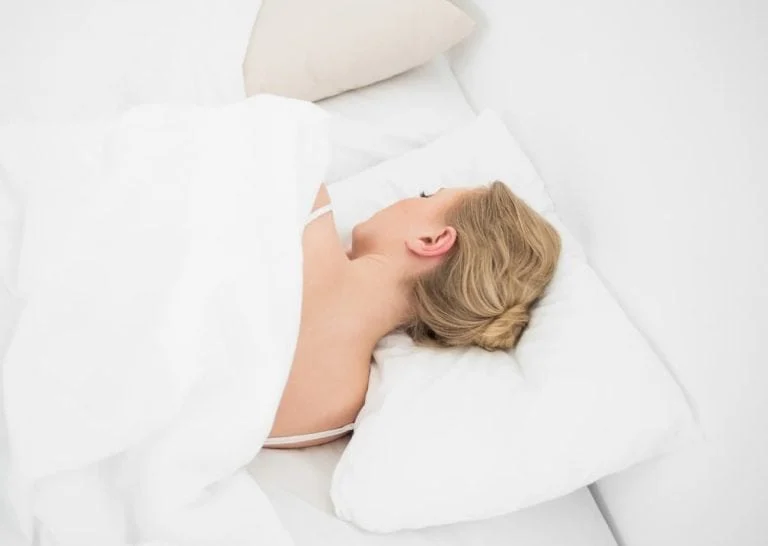
Your sleep position can directly impact the health of your hair. The friction caused by rubbing your hair against your pillowcase can lead to tangles, frizz, and breakage, especially if you sleep on one side consistently. Additionally, some sleep positions, like sleeping with your hair pressed against your face, can create flattening or uneven volume, which can affect how your haircut looks the next morning.
Some factors to consider in how sleep affects your hair include:
- Friction and Breakage: Hair can easily become damaged from constant rubbing against rough fabrics, especially with cotton pillowcases. This can lead to split ends, frizz, and breakage.
- Volume and Flatness: If you sleep on one side or have your hair pressed against a surface, it can lead to flatness or uneven volume, affecting the shape of your haircut.
- Moisture Loss: The natural oils in your hair are essential for maintaining its health and shine. Sleeping on cotton pillowcases can absorb moisture, leaving your hair feeling dry and brittle.
Considering these factors will help you make informed decisions about the best haircut and hair care routine to suit your sleep habits.
3. The Impact of Pillowcases on Your Hair
The type of pillowcase you use can make a significant difference in how your hair looks and feels in the morning. Cotton pillowcases are a common choice, but they can contribute to hair friction, dryness, and breakage. On the other hand, silk or satin pillowcases offer a much gentler surface for your hair to rest on.
Here’s how different pillowcase materials can affect your hair:
- Cotton Pillowcases: While affordable and widely available, cotton pillowcases can draw moisture away from your hair, leading to dry, brittle strands. The friction from cotton can also cause tangles and increase frizz, which can be a particular issue for curly or wavy hair.
- Silk or Satin Pillowcases: These materials create less friction against your hair, allowing your hair to glide smoothly while you sleep. Silk and satin help maintain moisture and prevent breakage, making them a better choice for people with dry, curly, or fragile hair.
Switching to a silk or satin pillowcase can improve your hair’s condition over time, reducing tangles, frizz, and damage. This is especially important for those with long or curly hair who want to preserve their hairstyle and health.
4. Choosing the Right Haircut Based on Your Sleep Habits
Now that you understand the impact of sleep habits and pillowcases on your hair, it’s time to choose the right haircut that complements your sleep routine. Your ideal haircut will depend on how your hair reacts to sleep and the amount of maintenance you're willing to put in. Here are some key considerations:
- For Curly or Wavy Hair: If you have curly or wavy hair, consider a haircut that works well with your hair’s natural texture. Curly hair tends to tangle easily and may need extra attention when it comes to pillow friction. A shorter, layered cut may be easier to manage and less prone to flattening during sleep. Additionally, a good haircut can help define your curls and minimize frizz caused by sleep-related friction.
- For Straight Hair: Straight hair tends to stay flat if not styled properly. If you sleep on one side, consider a longer bob or a layered haircut that adds volume and movement. If you prefer low-maintenance hair, you might opt for a blunt cut or a straight-across style that doesn't require much upkeep after sleep.
- For Fine or Thinning Hair: People with fine or thinning hair often experience hair that becomes limp or flat overnight. A shorter cut with added layers can give your hair volume and texture, reducing the flatness that might occur after sleep. Additionally, adding light curls or waves can provide more volume in the morning.
Ultimately, your sleep habits should inform your choice of haircut, as the right cut will minimize any issues caused by your sleep routine and help your hair look its best every day.
5. Tips for Maintaining Healthy Hair During Sleep
To maintain healthy hair despite your sleep habits, here are some additional tips to keep in mind:
- Use a Leave-In Conditioner or Hair Serum: Applying a lightweight leave-in conditioner or hair serum before bed can help reduce frizz and protect your hair from breakage while you sleep.
- Brush Your Hair Before Bed: Gently brushing your hair before going to sleep can help distribute natural oils and reduce tangles. Be sure to use a wide-tooth comb or a brush designed for your hair type.
- Consider Loose Hairstyles: Avoid tight ponytails or buns while sleeping, as they can cause tension and breakage. Instead, consider loose braids or a soft top knot to keep your hair secure without causing damage.
- Regular Haircuts: Regular trims are essential to maintaining healthy hair. Even if you're trying to grow your hair out, trimming the ends regularly will help prevent split ends and breakage, keeping your hair looking fresh.
With these tips and the right haircut, you can maintain healthy, vibrant hair regardless of your sleep habits.
If you're looking for personalized advice or the best hair care products, visit Cary Hair Guide for the top recommendations and products to suit your needs.


 ILL SMP5.0 (37 reviews)
 Wrath & Co Barbers5.0 (103 reviews)
 Geffrey’s barbershop4.0 (9 reviews)
 Styled by Dae Dae0.0 (0 reviews)
 Serrano's Hair Salon4.0 (107 reviews)
 Only William Does My Hair0.0 (0 reviews)
 How to Use “Hair Salons Near Me” Filters to Narrow Down by Service Type You Need
 How to Choose a Haircut That Works With Your Daily Commute on Public Transport
 How to Pick a Haircut That Complements Your Glasses or Frames
 How to Combine Haircut + Colour in One Visit Without Damaging Your Hair
 The Best Haircut Timing Near Me — Why Your Appointment Time Matters
 The Best Hair Store Near Me for Eco-Friendly Styling Tools