

How to Create Loose Waves Without Heat for Beginners
- understanding-heatless-waves-basics - How heatless styling works on hair structure and texture
- overnight-waves-techniques - Beginner-friendly methods for creating waves while you sleep
- daily-styling-and-maintenance - How to keep loose waves looking fresh longer
- common-mistakes-to-avoid - Why waves sometimes fall flat or look uneven
- real-examples-and-hair-routines - Practical stories and routines that actually work
Understanding the Basics of Heatless Loose Waves
Heatless loose waves have become one of the most popular no-heat hair styling trends, especially for beginners who want soft, natural texture without damaging their hair. Instead of using curling irons or hot tools, this method relies on moisture control, tension, and time to reshape the hair’s natural structure.
Hair is made of keratin bonds that can be temporarily reshaped when damp. When hair dries in a specific form—such as braids or twists—it naturally holds that shape. This is the core science behind how to create loose waves without heat, and it works for almost all hair types with slight adjustments.
A hairstylist once shared a case where a client with severely heat-damaged hair switched entirely to heatless styling for three months. Not only did her hair recover in shine and strength, but the waves actually became more defined over time as the natural texture returned.

Beginner-Friendly Overnight Waves Techniques That Actually Work
For beginners, overnight styling is one of the easiest ways to achieve heatless curls for beginners results without complicated tools. The most common method is braiding damp hair before bed. Depending on braid tightness, you can control wave size—loose braids for soft waves, tighter braids for more defined texture.
Another popular technique is the “twist bun method,” where hair is divided into sections and twisted into buns secured on the head. When released in the morning, the result is natural, effortless-looking waves that resemble beach hair.
A beauty blogger once went viral for showing her 5-minute nighttime routine using only two braids. Her transformation photos highlighted how simple overnight waves tutorial methods can produce salon-like results without heat tools.
For beginners experimenting at home, platforms like Cary Hair Guide provide helpful inspiration, product suggestions, and styling routines tailored to different hair types and lengths.
Step-by-Step Routine for Soft Natural Waves
Creating natural beach waves hair without heat starts with preparation. Hair should be slightly damp but not soaking wet. Excess water prevents proper drying and can lead to frizz instead of defined waves.
Start by applying a lightweight leave-in conditioner or styling mousse. This helps shape the wave pattern while keeping hair soft and flexible. Then divide hair into sections depending on thickness.
For fine hair, two sections are usually enough. For thicker hair, four or more sections help create more even wave distribution. Each section should be braided or twisted consistently from root to tip.
The key is consistency in tension. Uneven twisting often leads to uneven waves, which is one of the most common beginner mistakes in no heat hair styling routines.
Common Mistakes Beginners Make With Heatless Waves
One of the biggest mistakes is starting with completely dry hair. Heatless styling relies on damp hair to reshape texture. Without moisture, waves will not hold properly.
Another common issue is overusing styling products. While mousse and creams help, too much product can weigh hair down and make waves appear greasy or stiff instead of soft and natural.
A real salon case involved a client who complained that her waves always fell flat. After consultation, the issue was traced to brushing out curls too aggressively in the morning, breaking the wave pattern before it fully set.
Understanding timing is also important. Removing braids too early can cause waves to collapse, while leaving them too long may create overly tight bends instead of relaxed movement.
How to Make Waves Last Longer Throughout the Day
Once you master how to create loose waves without heat, the next challenge is maintaining them. Light hairspray or texture spray can help hold shape without making hair stiff.
Sleeping on silk or satin pillowcases also reduces friction, helping preserve wave structure overnight. This small change can dramatically improve longevity.
Avoid heavy brushing after styling. Instead, gently separate waves with fingers to maintain volume while keeping natural movement intact.
Some users refresh their waves by lightly misting hair with water and re-twisting a few sections for a quick reset during the day.
Real-Life Hair Routine That Delivers Consistent Results
A university student shared her weekly routine where she styled her hair in loose braids every Sunday night. By Monday morning, she had effortless waves that lasted up to three days with minimal touch-ups.
She emphasized that consistency mattered more than technique perfection. Even slightly uneven braids still produced natural-looking texture that suited everyday styling.
Her experience reflects a broader trend: heatless waves are not about perfection, but about enhancing natural movement while reducing damage from heat tools.
Why Heatless Styling Is Becoming a Long-Term Hair Trend
The shift toward heatless styling is driven by hair health awareness. Frequent heat exposure weakens hair cuticles, leading to breakage and dullness over time.
Heatless styling methods allow individuals to maintain stylish looks while improving hair condition. Over time, many users notice stronger strands, reduced frizz, and improved shine.
This trend has also been popularized on social media platforms, where creators showcase realistic transformations using simple overnight techniques instead of salon-level tools.
Building a Simple Routine That Fits Your Hair Type
Every hair type responds differently to heatless waves. Fine hair benefits from lighter products and looser braids, while thick or coarse hair often needs more moisture and stronger sectioning.
Curly hair can also benefit from heatless styling by enhancing natural curl patterns rather than forcing straight hair into waves.
The most effective approach is experimentation. Adjusting braid size, dampness level, and product use helps you discover what works best for your unique texture.
For more personalized guidance, styling tools, and beginner-friendly tutorials, Cary Hair Guide offers curated resources designed to help users confidently build their ideal heatless routine.
Everyday Confidence From Simple Styling Choices
Learning how to create loose waves without heat is not just about appearance—it’s about simplifying your daily routine. Once mastered, it reduces styling time and eliminates dependence on damaging tools.
Many beginners find that heatless styling becomes a relaxing nighttime habit, almost like self-care. Waking up with ready-to-go waves adds convenience and confidence to everyday life.
With consistent practice, heatless styling transitions from a trend into a reliable personal routine that supports both hair health and style goals.

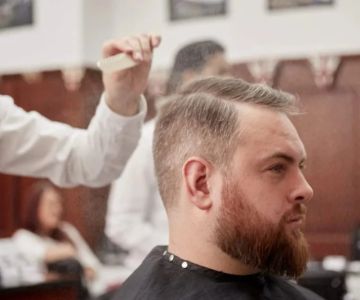

 The Grooming Lounge0.0 (0 reviews)
 Who’s Next barbershop4.0 (179 reviews)
 Mary's Hair Salon4.0 (36 reviews)
 Touche Finale African Hair Braiding3.0 (100 reviews)
 The Cut By Maurice4.0 (128 reviews)
 La Julieta Salon4.0 (27 reviews)
 How to Choose the Right Hairstylist Based on Your Hair Type
 Curly Girl Method: What to Buy at a Hair Store Near Me and How to Get it Right
 The Unexpected Benefits of a "Haircut Near Me" Search for Style Discovery
 The Hidden Benefits of a Blow-Dry Bar Versus a Full Hair Salon Near You
 The Best Haircuts Near Me for Thin, Straight Hair to Look Full and Bold | Cary Hair Guide
 How to Transition Your Haircut for Near Me Into a Vibrant Colour Without Damage