
- 1-Understanding Hair Loss Searches
- 2-Common Hair Loss Myths & Misconceptions
- 3-What Your Stylist Wishes You Knew About Hair Loss
- 4-Effective Hair Loss Solutions You Should Consider
- 5-How to Prevent Hair Thinning and Maintain Healthy Hair
1. Understanding Hair Loss Searches
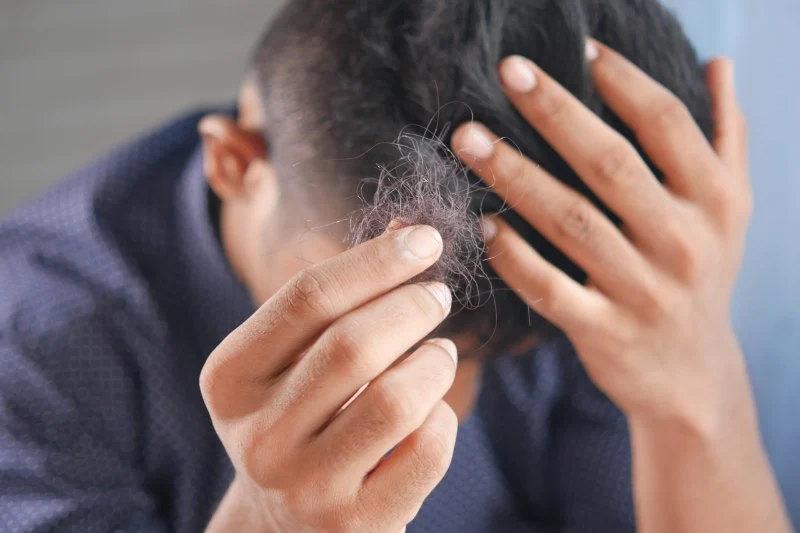
When it comes to hair loss, many individuals turn to online searches to find solutions, with a flood of results offering a range of treatments, products, and advice. However, not all information found through searches is accurate or effective. Hair loss is a complex issue that can be influenced by genetics, hormonal changes, lifestyle, and even stress levels. As a result, the overwhelming amount of conflicting information available online can make it difficult for people to navigate what’s actually useful for their specific situation.
From topical treatments to supplements and lifestyle changes, there are many supposed solutions available online. But understanding the true causes of hair thinning and loss is key to finding the most effective treatment. In this article, we’ll take a closer look at some of the most common hair loss myths, what your stylist wishes you knew about managing thinning hair, and how to effectively prevent and address hair loss.

2. Common Hair Loss Myths & Misconceptions
When searching for hair loss solutions, it’s easy to encounter myths and misconceptions that can lead to frustration or even worsen the condition. Here are some of the most common myths about hair loss:
2.1 Myth 1: Hair Loss Is Only Genetic
One of the biggest myths about hair loss is that it is entirely genetic. While genetics does play a significant role in male and female pattern baldness, other factors, including stress, diet, hormone imbalances, and even medications, can also contribute to hair thinning. It’s important to consider all possible factors when addressing hair loss, rather than assuming it’s only a genetic issue.
2.2 Myth 2: Hair Loss Is Inevitable as You Age
Another common misconception is that hair loss is a natural and inevitable part of aging. While some degree of hair thinning may occur with age, not everyone experiences significant hair loss as they get older. Many people maintain thick, healthy hair throughout their lives by maintaining good scalp health, eating a balanced diet, and managing stress. It’s essential to address hair care early to prevent preventable thinning as you age.
2.3 Myth 3: Overwashing Your Hair Causes Hair Loss
There is a myth that washing your hair too often leads to hair loss. In reality, overwashing your hair may dry out your scalp and strands, leading to breakage or dryness, but it doesn’t directly cause hair loss. The key is to use a gentle shampoo that suits your hair type and avoid overwashing with harsh chemicals. If you’re experiencing hair loss, other factors like poor nutrition, hormonal changes, or scalp conditions may be to blame.
3. What Your Stylist Wishes You Knew About Hair Loss
Stylists work with clients on a daily basis who struggle with thinning or damaged hair, and they often see firsthand what works and what doesn’t. Here’s what your stylist wishes you knew about hair loss and thinning hair:
3.1 Don’t Underestimate the Importance of Scalp Health
Your scalp is the foundation for healthy hair growth. Poor scalp health, including issues like dandruff, excess oil, or buildup of hair products, can hinder hair growth and contribute to thinning hair. Regular scalp massages, gentle exfoliation, and using scalp-friendly products can help improve circulation and create a better environment for hair growth.
3.2 Protective Hairstyles Are a Game Changer
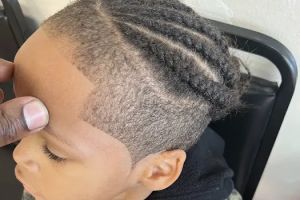
For those who are experiencing hair thinning or breakage, protective hairstyles can help prevent further damage. Styles such as braids, buns, and ponytails can protect your hair from environmental stressors, but it’s important not to pull your hair too tightly, as this can cause traction alopecia (hair loss caused by excessive tension on the hair). Your stylist can suggest styles that minimize damage while giving your hair a break from heat and chemicals.
3.3 Be Consistent with Treatments
Whether you’re using topical treatments like minoxidil, taking supplements, or trying other hair loss solutions, consistency is key. It takes time for hair to grow back, and most treatments require several months to show noticeable results. Your stylist can offer guidance on how to properly use products and suggest the best regimen to support hair health.
4. Effective Hair Loss Solutions You Should Consider
When it comes to addressing hair loss, there are several proven treatments and strategies to consider:
4.1 Minoxidil
Minoxidil is a well-known over-the-counter treatment that is often used to promote hair growth in both men and women. It works by stimulating hair follicles and promoting blood flow to the scalp. While results may vary, many individuals experience new hair growth or a reduction in hair loss after using minoxidil for several months.
4.2 Platelet-Rich Plasma (PRP) Therapy
PRP therapy is a popular medical treatment for hair loss that involves drawing a small amount of your blood, processing it to concentrate the platelets, and then injecting it back into the scalp. This therapy is believed to promote hair growth by stimulating the hair follicles and improving scalp health. It’s often used for individuals with male or female pattern baldness.
4.3 Healthy Diet and Supplements
A healthy diet rich in vitamins and minerals is essential for maintaining healthy hair. Nutrients like iron, zinc, biotin, and vitamin D can play a crucial role in preventing hair thinning. If you’re struggling with nutrient deficiencies, your stylist may recommend certain supplements to support hair growth. Eating a balanced diet with plenty of leafy greens, lean proteins, and whole grains can help support hair health from the inside out.
5. How to Prevent Hair Thinning and Maintain Healthy Hair
Prevention is key when it comes to hair thinning. Here are some tips to help you maintain healthy hair and prevent unnecessary hair loss:
5.1 Avoid Excessive Heat Styling
Frequent use of hot tools like flat irons, curling irons, and blow dryers can weaken hair strands and contribute to breakage. Try to limit the use of heat styling tools and use a heat protectant when styling your hair to minimize damage. Air-drying and heat-free styling options can help maintain the strength and elasticity of your hair.
5.2 Regular Trims
Regular trims are essential for preventing split ends and promoting the appearance of thicker, healthier hair. While trims don’t directly affect hair growth, they help prevent breakage, which can contribute to thinning over time. Your stylist can recommend the best trimming schedule for your hair type and needs.
5.3 Stay Stress-Free
Stress is one of the most common contributors to hair loss, as it can disrupt the normal hair growth cycle. Taking steps to manage stress, such as practicing yoga, meditating, or engaging in regular physical activity, can help support your hair’s overall health. The mind-body connection plays a vital role in maintaining healthy hair, so prioritize relaxation and self-care.
Hair loss can be a frustrating and emotional journey, but with the right approach, you can take steps to address the issue effectively. Whether you’re dealing with minor thinning or more significant hair loss, understanding the causes and available treatments is crucial. If you’re ready to explore hair loss solutions or learn more about maintaining healthy hair, visit Cary Hair Guide for expert advice, products, and services tailored to your needs.


 Adams Barber Shop4.0 (70 reviews)
 Luquillo's Barbershop4.0 (7 reviews)
 Studio 310.0 (0 reviews)
 Da @ Eclipse Salon0.0 (0 reviews)
 Angel Santin0.0 (0 reviews)
 Leader Hair Salon4.0 (25 reviews)
 How to Choose a Beer for Your Thanksgiving Turkey
 How to Choose a Hair Salon Near Me That Offers Vegan & Cruelty-Free Services
 How to Choose the Right Haircut for Easy Ponytails and Up-dos
 How to Choose a Hair Store Near Me That Stocks Salon-Quality Products Under $50
 Curtain Bangs, Shags & Lobs — Why They’re Coming Back in 2025
 How to Tell if Your Hairstylist at the Hair Salon Near Me Truly Knows Your Hair Type