
- 1 - Understanding-Hair-Fall-Causes
- 2 - How-Stress-Affects-Hair-Health
- 3 - Hormonal-Changes-And-Hair-Loss
- 4 - Nutritional-Strategies-To-Reduce-Hair-Fall
- 5 - Lifestyle-And-Stress-Management-Tips
- 6 - Top-Hair-Care-Practices-For-Strengthening-Hair
- 7 - Professional-Treatments-And-Home-Remedies
- 8 - Case-Studies-Successful-Hair-Regrowth
- 9 - Common-Mistakes-To-Avoid
- 10 - Choosing-The-Right-Hair-Care-Products
- 11 - Cary-Hair-Guide-Services
- 12 - Final-Thoughts-On-Stopping-Hair-Fall
1. Understanding Hair Fall Causes
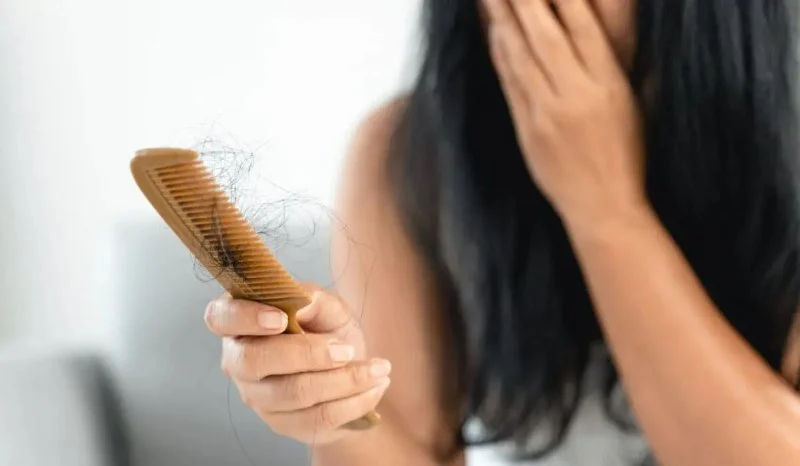
Hair fall is a common concern among adults, especially in the United States where lifestyle stressors and hormonal fluctuations are prevalent. Understanding the root causes of hair loss is the first step in preventing it. The most common triggers include stress, hormonal imbalances, nutritional deficiencies, and genetic factors. By identifying the specific causes, you can implement targeted strategies to reduce hair shedding effectively.
2. How Stress Affects Hair Health
Chronic stress triggers a condition known as telogen effluvium, where hair prematurely enters the shedding phase. Stress hormones, particularly cortisol, can negatively impact hair follicles, reducing their growth cycle. Individuals experiencing high stress levels may notice increased hair fall within weeks or months of stressful events.

2.1 Signs of Stress-Induced Hair Loss
- Thinning hair along the scalp and hairline
- Excessive hair shedding during brushing or showering
- Noticeable reduction in hair volume
3. Hormonal Changes and Hair Loss
Hormonal imbalances, including thyroid dysfunction, menopause, pregnancy, and polycystic ovary syndrome (PCOS), can disrupt normal hair growth patterns. Estrogen, progesterone, and androgen levels play a crucial role in maintaining hair follicle health. Any imbalance may lead to diffuse thinning or shedding in both men and women.
3.1 Common Hormonal Hair Loss Patterns
- Female pattern hair loss after menopause
- Temporary hair thinning post-pregnancy
- Thinning at the crown in men due to androgenic effects
4. Nutritional Strategies to Reduce Hair Fall
Diet plays a critical role in hair health. Adequate intake of vitamins, minerals, and protein is essential to support hair follicles. Key nutrients include:
- Biotin: Supports keratin production
- Iron: Prevents anemia-related hair thinning
- Vitamin D: Stimulates hair follicle activity
- Zinc: Promotes hair growth and repair
- Omega-3 fatty acids: Reduces inflammation around follicles
Incorporating leafy greens, nuts, lean meats, and fatty fish can significantly improve hair density and reduce shedding.
5. Lifestyle and Stress Management Tips
Managing stress is crucial in preventing hair loss. Effective strategies include:
- Practicing mindfulness and meditation daily
- Engaging in regular physical activity
- Maintaining a consistent sleep schedule
- Reducing exposure to high-stress environments
- Seeking counseling or support groups if necessary
6. Top Hair Care Practices for Strengthening Hair
Adopting proper hair care routines prevents breakage and supports scalp health:
- Use mild shampoos and sulfate-free products
- Limit heat styling and chemical treatments
- Regularly massage the scalp to stimulate blood flow
- Avoid tight hairstyles that pull on hair roots
- Trim split ends to maintain healthy strands
7. Professional Treatments and Home Remedies
Several remedies, both professional and at-home, help mitigate hair fall:
- Topical Minoxidil: FDA-approved for hair regrowth
- Platelet-Rich Plasma (PRP) Therapy: Stimulates follicle activity
- Herbal Oils: Rosemary, peppermint, and castor oil nourish hair follicles
- Low-Level Laser Therapy (LLLT): Encourages hair growth by improving blood circulation
- Scalp Exfoliation: Removes dead cells to promote healthy growth
8. Case Studies: Successful Hair Regrowth
Many individuals have experienced reduced hair fall and improved density through a combination of nutritional changes, stress management, and professional treatments. For example, a 35-year-old woman with postpartum hair loss reported significant regrowth after three months of using topical minoxidil combined with biotin supplementation and mindfulness exercises.
9. Common Mistakes to Avoid
- Neglecting diet and essential nutrients
- Using harsh chemicals and excessive heat on hair
- Ignoring early signs of stress-induced hair loss
- Relying solely on home remedies without professional guidance
- Frequent over-washing that strips natural oils
10. Choosing the Right Hair Care Products
Select products with ingredients targeting hair strength and scalp health. Look for:
- Sulfate-free shampoos and conditioners
- Products enriched with biotin, keratin, and essential vitamins
- Serums with peptides or botanical extracts
- Hair masks for deep conditioning
- Scalp treatments for circulation and follicle support
11. Cary Hair Guide Services
Cary Hair Guide provides curated recommendations for hair care products, professional treatment options, and personalized hair loss prevention plans. They offer in-depth resources to help users identify causes and implement effective strategies for stopping hair fall caused by stress and hormonal changes.
12. Final Thoughts on Stopping Hair Fall
Hair fall due to stress and hormonal changes is common but manageable. By combining proper nutrition, stress reduction, diligent hair care practices, and professional treatments, you can minimize shedding and promote stronger, healthier hair. For more resources and expert guidance, visit Cary Hair Guide to explore solutions that match your specific hair needs and lifestyle.


 Kathy Debski Hair5.0 (2 reviews)
 Epoch Studio Salon4.0 (388 reviews)
 R Barber Shoppe & Salon4.0 (54 reviews)
 Mario's Place Barber Shop4.0 (161 reviews)
 D'Dami Salon4.0 (35 reviews)
 Bre's Beauty Parlor4.0 (7 reviews)
 How to Choose a Haircut That Allows for Easy Ponytails, Clips, and Up-dos
 How to Style a Fresh Haircut for Near Me Immediately After Leaving the Salon
 How to Find a Hair Salon Near Me That Offers Virtual Consultations Before Your Visit
 How to Ask for the Right Haircut at Your First Visit to a Hair Salon Near Me
 Best Haircuts Near Me for Fine, Limp Hair That Needs Texture Immediately
 The Ultimate Guide to Men’s Barbers & Hair Salons Near Me That Understand Modern Trends