
- 1 - Understanding Deep Damage in Overprocessed Hair - #deep-damage-overprocessed-hair
- 2 - Recognizing Signs of Multiple Chemical and Heat Overprocessing - #signs-multiple-overprocessing
- 3 - Immediate Recovery Steps After Severe Hair Stress - #immediate-recovery-steps
- 4 - Restoring Moisture and Protein Balance Effectively - #moisture-protein-balance
- 5 - Salon Treatments vs At-Home Repair Strategies - #salon-vs-home-treatment
- 6 - Ingredients and Products That Actually Help Repair Hair - #repair-ingredients-guide
- 7 - Building a Recovery Routine That Works Long Term - #recovery-routine-plan
- 8 - Common Mistakes That Make Overprocessed Hair Worse - #common-mistakes-hair-damage
- 9 - Real Case Story: Recovery from Severe Bleach Damage - #real-case-bleach-recovery
- 10 - Knowing When Cutting Is the Only Real Solution - #when-to-cut-damaged-hair
- 11 - Maintaining Healthy Hair After Recovery - #post-recovery-care
Understanding Deep Damage in Overprocessed Hair
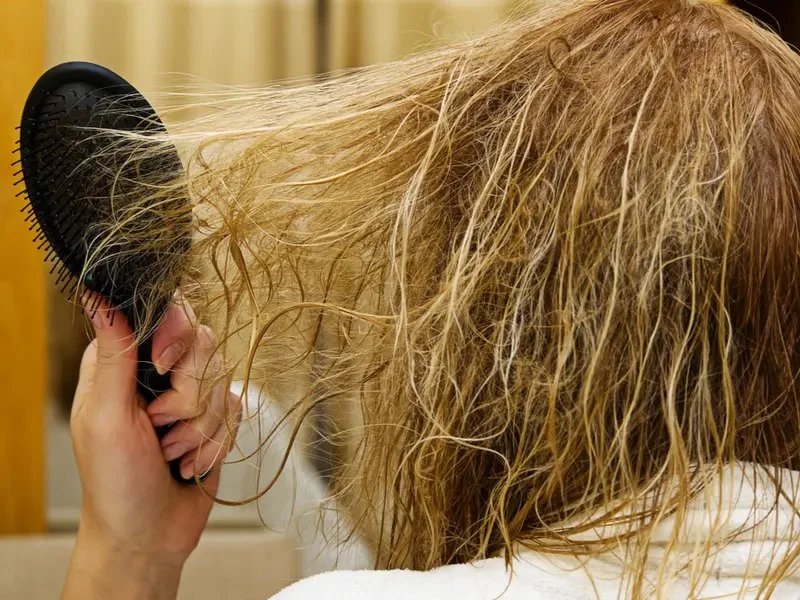
When people search for how to repair hair that has been over processed multiple times, they are often dealing with more than just dry strands. They are dealing with structural breakdown. Hair is made of keratin protein chains and protective cuticles. Once bleach, heat tools, and repeated coloring break those layers down repeatedly, the fiber becomes porous, fragile, and unable to retain moisture.
Overprocessed hair is not a surface issue. It is a deep internal change. Think of it like a rope that has been repeatedly stretched, burned, and soaked until its fibers no longer align properly. At this stage, simple conditioning is not enough. The goal shifts from styling to rebuilding.

The Science Behind Hair Breakdown
Every chemical service—especially bleaching and high-lift color—breaks disulfide bonds inside the hair shaft. Heat styling compounds this by evaporating internal moisture. Over time, the cuticle lifts permanently, leading to:
- Loss of elasticity- Increased porosity- Protein depletion- Breakage at mid-length
This is why many people notice their hair snapping even when brushing gently. The structure itself has weakened.
Recognizing Signs of Multiple Chemical and Heat Overprocessing
Before learning hair repair strategies for overprocessed hair, it is important to correctly diagnose the damage level. Misdiagnosis often leads to using the wrong treatments, which can worsen the condition.
Texture Changes That Signal Internal Damage
Hair that once felt smooth may begin to feel like straw or cotton. This shift indicates that moisture can no longer stay locked inside the strand. Another common sign is uneven texture—some sections feel soft while others feel brittle.
Breakage Patterns That Reveal Severity
Unlike normal shedding from the root, overprocessed hair breaks mid-shaft. You may notice shorter pieces sticking out or excessive tangling near the ends. This is often mistaken for frizz but is actually structural failure.
Color Fading and Dullness
Damaged hair reflects less light because the cuticle is no longer smooth. Even freshly colored hair can appear dull within days if it is severely compromised.
Immediate Recovery Steps After Severe Hair Stress
Once hair reaches a critical damage point, the first goal is stabilization. Many people rush into heavy treatments, but the correct approach is to reduce further stress before rebuilding.
Stopping Chemical and Heat Exposure
The most important step is pausing all bleaching, coloring, and heat styling. Even occasional flat ironing can prevent recovery. Air-drying becomes essential during this phase.
Gentle Cleansing Instead of Stripping
Use sulfate-free cleansers that do not strip natural oils. The scalp still produces protective sebum, which becomes critical when hair is compromised.
Hydration First Approach
At this stage, hydration matters more than protein. Water-based masks and leave-in conditioners help temporarily restore softness, making hair more manageable before deeper repair begins.
Restoring Moisture and Protein Balance Effectively
One of the most misunderstood parts of damaged hair treatment is the balance between moisture and protein. Too much moisture without protein can make hair mushy. Too much protein without moisture makes it stiff and brittle.
Understanding Protein Reconstruction
Protein treatments temporarily patch gaps in the hair shaft. Hydrolyzed keratin, silk protein, and amino acids are commonly used to reinforce weakened strands. However, they must be used strategically, not daily.
Moisture Replenishment Techniques
Hydrating masks containing glycerin, aloe vera, and panthenol help draw moisture into the strand. This improves flexibility and reduces snapping during detangling.
Finding the Right Cycle
A balanced routine often alternates moisture and protein treatments weekly. Severely damaged hair may need more hydration initially before slowly introducing protein support.
Salon Treatments vs At-Home Repair Strategies
People often wonder whether salon treatments or at-home care are more effective for hair breakage repair. The truth is that both play different roles in recovery.
Professional Salon Interventions
Salon treatments such as bond-building systems and deep reconstructive masks penetrate deeper into the hair cortex. These are especially useful after repeated bleaching or chemical straightening.
A trained stylist can also assess whether your hair is beyond repair in certain sections, preventing further damage through strategic trimming.
At-Home Maintenance Systems
Home care ensures consistency. While salon treatments provide the foundation, daily and weekly care determines long-term results. Without proper maintenance, salon treatments lose effectiveness quickly.
Ingredients and Products That Actually Help Repair Hair
Not all products labeled “repair” truly work. Understanding ingredient science helps you choose products that support recovery from bleach damaged hair and heat stress.
Bond-Building Technology
Modern formulations use molecules designed to reconnect broken disulfide bonds. These are especially effective for chemically damaged hair.
Hydrolyzed Proteins
These proteins are broken down into smaller components that can temporarily fill gaps in the hair shaft. They improve strength and elasticity.
Natural Emollients and Oils
Ingredients like argan oil, jojoba oil, and shea butter help seal moisture and reduce friction. While they do not repair internal structure, they protect the surface.
Building a Recovery Routine That Works Long Term
A structured routine is essential when dealing with overprocessed hair. Recovery is not immediate; it is a gradual rebuilding process.
Weekly Care Structure
A balanced routine often includes:
- One hydration-focused wash day- One protein-support treatment every 1–2 weeks- Daily leave-in conditioning
Night Protection Strategies
Sleeping on silk or satin reduces friction. Loose braids or protective styles prevent tangling and breakage during sleep.
Minimizing Mechanical Damage
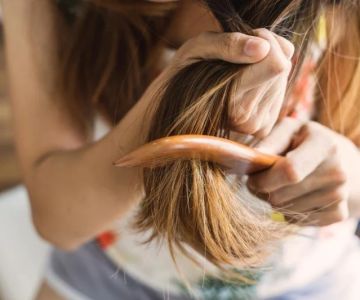
Wet hair is extremely fragile. Wide-tooth combs and detangling sprays help reduce unnecessary stress during styling.
Common Mistakes That Make Overprocessed Hair Worse
Many recovery attempts fail because of repeated mistakes rather than lack of effort. Understanding these pitfalls is crucial in heat damage repair and chemical recovery.
Overloading Protein Treatments
Too much protein leads to rigidity and breakage. Many people mistakenly assume more protein equals stronger hair, but balance is key.
Frequent Heat Styling “Just for Touch-Ups”
Even small amounts of heat reset progress. Damaged hair cannot tolerate repeated thermal exposure.
Ignoring Split Ends
Split ends travel upward. Without trimming, damage continues to spread even with good care.
Real Case Story: Recovery from Severe Bleach Damage
A widely discussed example in online hair communities involved a client who underwent three consecutive bleaching sessions in under two months to achieve platinum blonde. Within weeks, her hair became elastic when wet and snapped during brushing.
Her stylist implemented a strict recovery plan: complete heat cessation, bond-building salon treatments every two weeks, and a moisture-first home routine. Within three months, elasticity improved, though the ends still required gradual trimming.
What made this recovery notable was consistency. There were no shortcuts—only disciplined care and realistic expectations. Many users following similar routines reported partial recovery but emphasized that severely damaged ends rarely return to original health.
For similar recovery guidance and product recommendations tailored to individual damage levels, resources like Cary Hair Guide can help users navigate more targeted solutions based on hair condition and history.
Knowing When Cutting Is the Only Real Solution
Not all damage can be repaired. At a certain point, the structural integrity of the hair is permanently compromised.
Signs Hair Cannot Be Fully Recovered
If hair stretches excessively when wet, breaks immediately after washing, or feels gummy even after protein treatments, trimming becomes necessary.
Strategic Trimming Approach
Instead of cutting everything at once, gradual trimming helps maintain length while removing the most damaged portions first.
Maintaining Healthy Hair After Recovery
Once hair regains strength, the focus shifts to prevention. Maintaining results is often easier than initial recovery but still requires discipline.
Heat Styling With Protection
Using heat protectants becomes essential when reintroducing styling tools. Lower temperatures should always be prioritized.
Regular Deep Conditioning
Even healthy hair benefits from weekly hydration treatments. This helps prevent future dryness and structural weakening.
Long-Term Product Awareness
Understanding ingredient lists helps prevent reintroducing harsh chemicals that could reverse progress.

 Karolina's beauty salon inc.4.0 (21 reviews)
 Hair Experts4.0 (45 reviews)
 Maggies African Hair Braiding3.0 (61 reviews)
 Benefit Cosmetics BrowBar5.0 (16 reviews)
 ASHLEYYOUNGHAIR0.0 (0 reviews)
 REM Salon5.0 (68 reviews)
 How to Pick a Haircut That Complements Your Glasses or Frames
 How to Build a Minimalist Hair Store Near Me Shopping List That Still Covers Everything
 How to Use a Hair Store Near Me to Build a Minimalist Travel Hair Kit Under $100
 How to Extend the Life of a Haircut Between Salon Visits Without Styling Overload
 How to Choose a Haircut That Saves Time Every Morning – Easy Dry, Easy Style
 How to Choose a Hair Salon Near Me That Already Books 6-8 Weeks in Advance — What That Says