
Salon Detangling Plan: Reduce Pulling and Breakage
On this page
- Quick answer
- Share the hair history before booking
- Ask for an assessment before detangling
- Agree on comfort signals and limits
- Discuss the detangling method
- Confirm products and sensitivities
- Clarify time, price, and outcomes
- Plan gentle aftercare
- Know when salon care is not enough
- Appointment checklist
- Frequently asked questions
- Sources and evidence notes
- Conclusion and next steps
Quick answer
Tell the salon about severe tangles, matting, scalp tenderness, extensions, recent chemical services, and breakage before the appointment. Ask the stylist to assess the hair first, explain what can be preserved, work in small sections with suitable slip, and pause when you give an agreed signal. Confirm the estimated time and price because difficult detangling may require a separate service. Pain, bleeding, sores, sudden hair loss, or a scalp condition needs medical advice rather than forceful salon work.
Detangling is not a promise that every knot can be removed without cutting or breakage. The safest plan depends on hair type, condition, products, and the cause of the tangling.
Share the hair history before booking
Contact the salon before arriving if the hair is densely tangled or matted. A regular haircut slot may not allow enough time, and some salons offer a consultation or a specialist detangling service.
Describe where the tangles are, how long they have been present, and whether the hair is curly, coily, fine, chemically treated, color-treated, relaxed, permed, or extended. Mention glue, tape, beads, braids, sewn-in hair, wigs, and any home remedies already applied.
Photos taken in neutral light can help with scheduling, but they cannot replace an in-person assessment. Avoid hiding the problem under a tight style that adds tension.

Victor's Barber Shop & Beauty Salon
2701 S Pulaski Rd, Chicago, IL 60623, USA
Ask for an assessment before detangling
The stylist should inspect the ends, tangled areas, scalp access, elasticity, and visible breakage before promising a method or result. Ask which sections appear workable and which may require trimming.
Dense matting can trap shed hair, product, lint, moisture, and debris. Pulling the surface apart without understanding the structure can tighten the interior.
If extensions are involved, confirm whether the salon is trained to remove that installation type. Adhesive, thread, or hardware may require a specific remover and technique.
Agree on comfort signals and limits
Set a clear stop signal before work begins. Tell the stylist about migraines, sensory sensitivity, neck limitations, scalp pain, or a tender area.
Detangling may feel slow and repetitive, but it should not require you to endure sharp pain. Ask for breaks, a different head position, or smaller sections when needed.
Children and clients who communicate nonverbally need a comfort plan that caregivers and stylists understand. Consent can be withdrawn during the service.
Discuss the detangling method
The American Academy of Dermatology advises gentle handling and notes that hair is delicate when wet. For thick or curly hair, combing in the shower before conditioner is rinsed may be suitable; for straight hair, allowing it to dry somewhat before combing can be gentler.
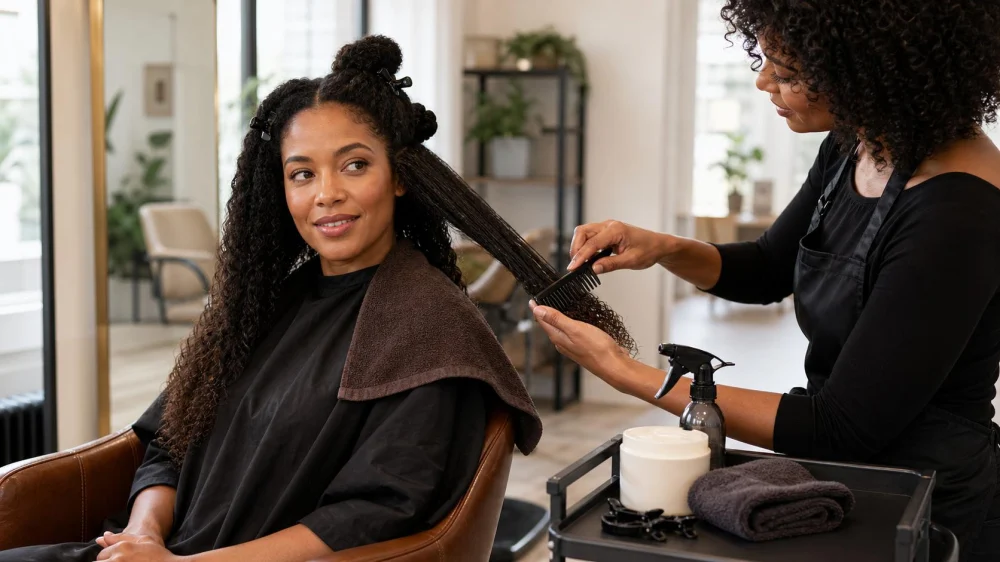
A stylist may use fingers, a wide-tooth comb, conditioning slip, controlled moisture, and small sections, working from the ends toward the roots. The exact sequence should match the hair and product directions.
Do not demand aggressive brushing, excessive heat, or improvised chemicals to save every strand. If a section cannot be safely opened, a conservative trim or haircut may be the more realistic choice.
Confirm products and sensitivities
Ask which shampoo, conditioner, detangler, oil, or adhesive remover may be used. Share known fragrance, preservative, botanical, latex, or adhesive sensitivities.
A rinse-out conditioner and a leave-in conditioner are not interchangeable. AAD guidance explains that they have different formulations and that rinse-out conditioner should not be diluted into a homemade leave-in spray.
Request the product name and ingredient list before application when allergy history matters. A salon cannot diagnose an allergy; a clinician can advise on testing and treatment.
Clarify time, price, and outcomes
Ask whether the service is priced by time, hair condition, stylist level, or a fixed package. Confirm the minimum charge, deposit, breaks, extra product fees, and what happens if more time is required.
Separate the goals: remove tangles, preserve length, clean the scalp, remove extensions, trim damaged ends, and create a finished style. Not all goals may fit one visit.
Get the revised price and scope before approving additional hours or a major cut. Take-home maintenance should also be explained before checkout.
Plan gentle aftercare
Follow the stylist's wash, conditioning, drying, and protective-style instructions. Use products formulated for the hair type and apply shampoo mainly to the scalp, as AAD healthy-hair guidance recommends.
Reduce friction and repeated tangling with a manageable sectioning routine, gentle ties, suitable sleep protection, and regular detangling intervals. Avoid tight styles that cause pain.
Photograph or note the final haircut and product plan if several caregivers assist. Schedule follow-up before the same level of matting returns.
Know when salon care is not enough
Do not ask a stylist to work over bleeding, open sores, pus, severe redness, a spreading rash, lice concerns, or unexplained tender swelling. Seek appropriate medical or public-health advice.
Sudden or patchy hair loss, scalp pain, persistent scaling, or continuing breakage may have causes beyond grooming. A board-certified dermatologist can evaluate hair and scalp disorders.
If a product causes burning, swelling, breathing trouble, or another acute reaction, stop the service, rinse or respond as the product directions advise, and seek urgent care when symptoms are severe.
Appointment checklist
- Current photos and an honest description of the tangling
- Hair, chemical-service, extension, and product history
- Known allergies, sensitivities, scalp conditions, and comfort needs
- Assessment before shampooing, combing, cutting, or removing extensions
- Agreed stop signal, breaks, and positioning plan
- Estimated time, price structure, deposit, and possible extra charges
- Priorities for length, comfort, cleanliness, and final style
- Aftercare products, technique, and follow-up interval
Frequently asked questions
Should I wash severely tangled hair before the appointment?
Ask the salon first. Water can help some detangling methods but may tighten or complicate certain mats, products, or extension installations.
Can a salon guarantee no cutting?
No responsible assessment can guarantee that every strand will be preserved. Hair condition, mat density, time, and client comfort affect the result.
Is detangling always included with a haircut?
No. Policies vary, and extensive detangling may be booked and priced as a separate service. Confirm before arrival.
When should I see a dermatologist?
Seek evaluation for sudden or patchy loss, persistent scalp symptoms, pain, sores, or breakage that continues despite gentle care.
Sources and evidence notes
The American Academy of Dermatology explains how washing, conditioning, hair type, and gentle combing affect hair care in healthy hair tips from dermatologists.
AAD also distinguishes leave-in products from rinse-out conditioner and gives application guidance in dermatologists' leave-in conditioner tips.
For continuing hair loss or breakage, see the AAD's hair-loss management guidance and consult a board-certified dermatologist.
Conclusion and next steps
A good salon detangling plan starts before the comb touches the hair. Disclose the history, request an assessment, agree on comfort limits, and understand the likely time, price, and tradeoffs. Gentle technique can reduce avoidable pulling, but some damage may still need trimming. When scalp symptoms or unexplained hair loss are present, pause cosmetic work and seek medical evaluation.




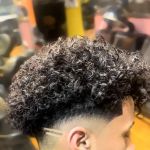 Hair Dreams Beauty and Barber Salon5.0 (29 reviews)
 Technic Visions5.0 (9 reviews)
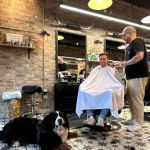 Old Town Barbershop4.0 (92 reviews)
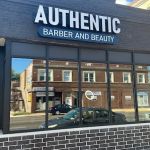 Authentic Barber and Beauty4.0 (17 reviews)
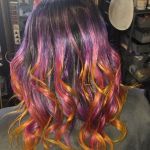 Studio N.5.0 (1 reviews)
 Crown adjustments0.0 (0 reviews)
 How to Style Long Hair Without Heat Tools for a Natural Look Guide
 How to Choose the Right Haircut for Your Lifestyle (Active, Corporate, Casual)
 What Your Hair Salon Doesn’t Tell You (But You Should Ask) - Cary Hair Guide
 How to Choose a Haircut After a Major Life Change: New Job, Move, or Personal Reinvention
 How to Prepare Your Hair for Rainy Season After Visiting a Local Hair Salon
 How to Repair Hair Damage from Daily Straightener Use