
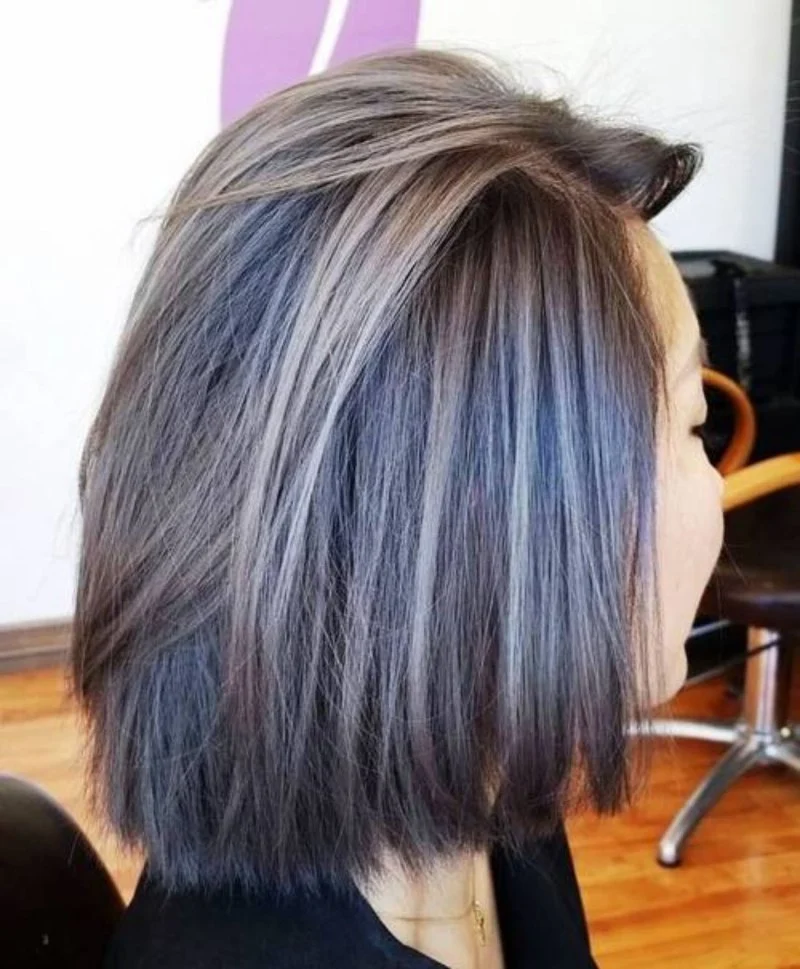
- understanding-gray-hair-coloring-basics - why gray hair is harder to color than pigmented hair
- choosing-natural-hair-color-options - exploring ammonia-free and herbal solutions
- application-techniques-for-best-results - how to apply color evenly for natural coverage
- maintenance-after-coloring - keeping gray coverage longer and preventing fading
- real-life-gray-coverage-experience - practical examples and common mistakes
- professional-tips-and-at-home-solutions - balancing salon and DIY approaches
Understanding Why Gray Hair Needs a Different Coloring Approach
Gray hair behaves differently from naturally pigmented strands. It is typically more resistant to dye because it lacks melanin and often has a thicker, more stubborn cuticle layer. This makes achieving the best hair color for covering gray hair naturally less about choosing a trendy shade and more about selecting formulations that can penetrate and bond effectively.
A common misconception is that any dark dye will cover gray completely. In reality, uneven absorption often leads to patchy results, especially around the temples and hairline. That’s why professionals often adjust formulas or use pre-softening techniques before applying color.

Choosing the Most Natural-Looking Hair Color Options
When people talk about natural-looking coverage, they usually mean color that blends seamlessly rather than sitting heavily on the hair. Modern formulations now include ammonia-free dyes, plant-based pigments, and low-chemical blends designed specifically for sensitive or aging hair.
One widely appreciated approach is using ammonia-free hair color. These formulas reduce scalp irritation while still delivering strong pigment penetration. Another growing trend is herbal-based coloring, which uses ingredients like henna, indigo, and cassia to create soft, dimensional tones.
For readers exploring long-term solutions, platforms like Cary Hair Guide often help users compare safe coloring options and find personalized recommendations based on hair texture and gray percentage.

Chrissy Cuts
Inside the Garland Building, 111 N Wabash Ave STE 1318, Chicago, IL 60602, USA
How Natural Hair Color Formulas Work on Gray Strands
Unlike chemical-heavy dyes that open the hair cuticle aggressively, natural and low-ammonia formulas work more gradually. They rely on conditioning agents and gentler alkalizers to lift the cuticle just enough for pigment deposition.
This method reduces long-term damage but requires slightly longer processing times. However, many users find the trade-off worthwhile, especially when maintaining hair health is a priority.
A stylist from a well-known Los Angeles salon once shared a case where a client with 80% gray hair switched from permanent dye to a botanical blend. Within three sessions, the hair not only held color better but also regained noticeable softness and shine.
Application Techniques That Make or Break Gray Coverage
Even the best formula can fail if applied incorrectly. Gray hair often resists color at the roots, so sectioning and saturation become essential.
1. Sectioning for Precision
Dividing hair into small, controlled sections ensures even distribution. This is especially important around the crown and temples where grays are more concentrated.
2. Root-First Application Strategy
Applying color to resistant gray areas first allows extra processing time where it’s needed most. This simple adjustment significantly improves uniformity.
3. Heat Assistance for Better Absorption
Mild heat, such as a warm towel wrap, can help open the cuticle slightly, improving pigment uptake without damaging the hair structure.
Real-Life Story: When DIY Coloring Went Wrong and Then Right
A frequent example seen in at-home coloring communities involves users attempting to cover gray hair with box dye without proper preparation. One user shared how her initial attempt resulted in uneven reddish patches at the crown while the sides remained gray.
After consulting a stylist, she switched to a more natural formulation and adjusted her application method. Instead of rushing the process, she allowed proper processing time and used pre-softening treatment before coloring. The result was a balanced, natural brunette tone that blended seamlessly with her complexion.
Stories like this highlight why understanding technique is just as important as selecting the best hair color for covering gray hair naturally.
Maintenance Tips to Keep Gray Coverage Looking Fresh
Color longevity depends heavily on aftercare. Using sulfate-free shampoos helps prevent premature fading, while weekly deep conditioning maintains elasticity and shine.
Another overlooked factor is sun exposure. UV rays can break down artificial pigments over time, causing uneven fading. Protective sprays or hats can help preserve color vibrancy.
Touch-up routines also matter. Instead of full re-dyeing, focusing only on root regrowth every 4–6 weeks reduces damage and maintains a consistent tone.
Professional Insights for More Natural Results
Colorists often recommend blending multiple shades instead of relying on a single tone. This creates depth and prevents the “flat” look that sometimes happens with full gray coverage.
Another expert trick involves using a slightly lighter shade than your desired result, especially during the first application. Hair tends to absorb darker over time, so this prevents overly harsh outcomes.
Those looking for more tailored advice often explore resources like Cary Hair Guide, where guidance is based on hair type, lifestyle, and maintenance preferences.
Why Natural-Looking Coverage Is Becoming the New Standard
Modern beauty trends are shifting away from harsh transformations toward subtle enhancement. Instead of fully hiding gray hair, many people now prefer blending techniques that allow natural highlights to shine through.
This approach not only looks more realistic but also reduces chemical exposure. It reflects a broader lifestyle shift toward healthier, lower-maintenance beauty routines.
Even in fashion and media, gray blending is becoming more accepted, with influencers showcasing soft transitions rather than full coverage.
Balancing Health, Style, and Long-Term Hair Care
Choosing the right coloring method is not just about appearance—it’s about maintaining hair integrity over time. Over-processing can lead to dryness, breakage, and scalp sensitivity.
A balanced approach combines gentle coloring, proper maintenance, and occasional professional consultation. This ensures that hair remains strong while still achieving the desired aesthetic.
The growing popularity of ammonia-free and botanical dyes shows that more people are prioritizing hair health alongside beauty goals.


 Mike The Barber0.0 (0 reviews)
 Travel Dreams by Amanda2.0 (11 reviews)
 Barber Shop Vasquez4.0 (54 reviews)
 DRbarbershop5.0 (8 reviews)
 Groomfly5.0 (19 reviews)
 Fruity Studio5.0 (8 reviews)
 How to Save Money at Your Next Hair Salon Near Me Without Sacrificing Quality
 The Best Haircut Styles Near Me for Wedding Guests, Bridesmaids & Mothers of the Bride
 How to Choose the Right Haircut for Fluffy or Porous Hair That Needs Extra Care
 How to Find a Haircut Near Me That Works With Your Workout Routine
 How to Find the Best Hair Salon Reviews Near Me Without Getting Overwhelmed
 How to Find a Hair Store Near Me That Supports Local Stylists & Small Businesses