
- -Understanding Why Hair Sheds After Washing
- -Common Causes of Excessive Hair Loss
- -The Role of Diet, Stress, and Hormones
- -Hair Care Practices That Minimize Shedding
- -Effective Treatments and Remedies
- -Lifestyle Adjustments for Healthier Hair
- -Real-Life Case Studies and Success Stories
- -When to Consult a Professional
- -How Cary Hair Guide Can Help
Understanding Why Hair Sheds After Washing
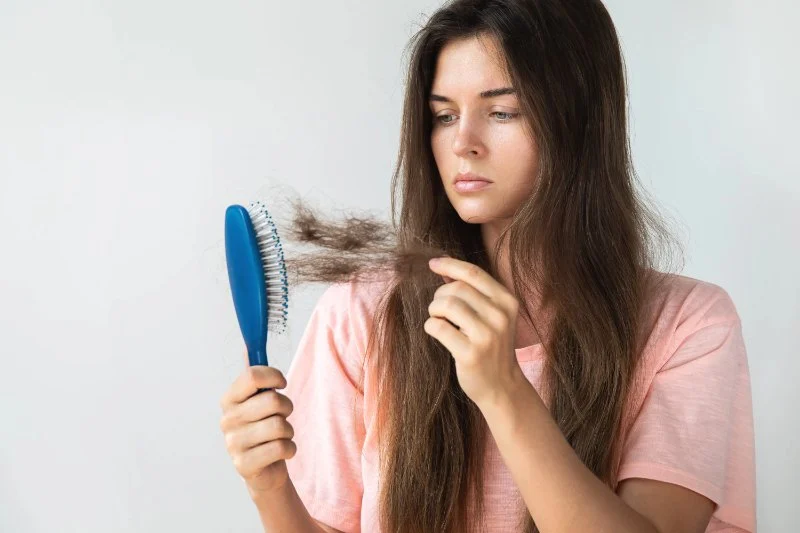
Hair shedding after washing is a natural process, but excessive loss can be alarming. On average, people lose between 50 and 100 hairs per day, and a shower can sometimes accentuate this shedding due to water and friction loosening already detached hairs. Understanding what causes excessive hair shedding after washing and how to fix it starts with distinguishing between normal shedding and signs of underlying issues.
Post-wash shedding often appears more dramatic because wet hair sticks together, making hair loss more noticeable. However, persistent or large clumps of hair coming out should prompt further attention to both hair care routines and overall health.
Common Causes of Excessive Hair Loss
Excessive hair shedding can be triggered by several factors. Mechanical stress, such as vigorous scrubbing or harsh brushing, can weaken hair strands. Hair treatments like bleaching, perming, or repeated heat styling also compromise hair structure, making strands more prone to breakage and shedding.
Certain scalp conditions, including seborrheic dermatitis, fungal infections, and psoriasis, can inflame hair follicles, accelerating shedding. Environmental factors like pollution, hard water, and seasonal changes can also impact hair health, particularly after washing.
The Role of Diet, Stress, and Hormones
Nutrition plays a pivotal role in maintaining hair strength. Deficiencies in iron, zinc, vitamin D, and biotin can cause noticeable shedding. Diets lacking in protein also undermine hair follicle health, as hair is primarily composed of keratin, a protein. Including lean meats, legumes, nuts, and leafy vegetables supports hair vitality.
Stress and hormonal fluctuations are another major contributor. Telogen effluvium, a temporary hair loss condition often triggered by acute stress, surgery, or illness, results in noticeable shedding weeks after the event. Women may experience increased hair loss postpartum or during menopause due to hormonal shifts affecting the hair growth cycle.
Hair Care Practices That Minimize Shedding
Proper hair care is essential to reduce post-wash shedding. Use lukewarm water instead of hot water, as high temperatures can weaken the hair shaft. Gentle, sulfate-free shampoos maintain scalp health while avoiding stripping natural oils. Conditioning after every wash helps strengthen strands and reduce breakage.
Brushing should be done on dry hair or when it is lightly damp using a wide-tooth comb. Avoid tugging at tangles aggressively, as this can loosen hair prematurely. Protective hairstyles that reduce tension on hair roots also prevent mechanical shedding.
Effective Treatments and Remedies
When hair shedding is pronounced, targeted treatments can help. Over-the-counter topical treatments, such as minoxidil, stimulate hair growth by improving blood flow to hair follicles. Natural oils like rosemary, peppermint, and argan oil nourish the scalp, improve circulation, and may reduce shedding when used consistently.
Regular scalp massages can enhance nutrient delivery to follicles and promote stronger hair growth. For nutritional support, biotin supplements, omega-3 fatty acids, and iron-rich foods help fortify hair strands from within.
Lifestyle Adjustments for Healthier Hair
Lifestyle changes can have a profound impact on hair retention. Managing stress through meditation, yoga, or regular exercise helps balance cortisol levels, which are linked to hair shedding. Maintaining hydration supports overall hair health, while adequate sleep ensures proper hair growth cycles.
Avoiding frequent chemical treatments, reducing heat styling, and protecting hair from sun and environmental pollutants are preventive measures that significantly decrease hair loss over time.
Real-Life Case Studies and Success Stories
Consider the case of Lisa, a 32-year-old professional who noticed clumps of hair after every shower. Her routine included daily heat styling and infrequent deep conditioning. By consulting a trichologist and adjusting her hair care routine—switching to sulfate-free shampoos, regular scalp massages, and dietary improvements—she observed reduced shedding within three months.
Another example is David, who experienced post-shave shedding due to stress and iron deficiency. Once he addressed his nutrition, incorporated gentle brushing, and used a mild hair serum, his hair density improved significantly over six months.
These examples illustrate that combining proper hair care, nutrition, and lifestyle modifications often yields the most sustainable results.
When to Consult a Professional
If shedding persists despite improved hair care routines or is accompanied by scalp irritation, patchy hair loss, or sudden changes in hair density, it is essential to seek professional advice. Dermatologists or trichologists can perform blood tests, scalp examinations, and hair pull tests to diagnose underlying conditions such as thyroid disorders, autoimmune diseases, or chronic telogen effluvium.
Early intervention prevents further hair thinning and helps establish an effective, personalized care plan.
How Cary Hair Guide Can Help
Cary Hair Guide provides comprehensive resources for understanding hair shedding, treatments, and preventive strategies. From expert advice on nutrition and scalp care to product recommendations tailored for reducing post-wash hair loss, the platform supports individuals seeking healthier, fuller hair.
By integrating real-world case studies, evidence-based hair care tips, and practical lifestyle guidance, Cary Hair Guide empowers users to address excessive hair shedding effectively and regain confidence in their hair health.
 Bendicion African Hair Braiding Salon4.0 (125 reviews)
 MG Hair & Beauty Salon LLC5.0 (1 reviews)
 Marseillais Hair Braiding4.0 (292 reviews)
 MOMO HAIR BRAIDING5.0 (1 reviews)
 Xsalont4.0 (54 reviews)
 Style Factory Barbershop4.0 (59 reviews)
 The Best Haircuts for People with Sensitive Scalp or Allergies Near Me
 How to Choose Between 'Haircut Near Me' and 'Hair Colour Near Me' When Changing Your Look
 How to Find a Family-Friendly Hair Salon Near Me That Works for Kids & Adults
 How to Use a Haircut Near Me to Prep for a Big Life Change Without Losing Your Look
 The Best Haircuts Near Me for Thin, Straight Hair to Look Full and Bold | Cary Hair Guide
 The Best Haircut Styles Near Me for Wedding Guests, Bridesmaids & Mothers of the Bride