
- -why-hair-color-turns-uneven-at-home
- -immediate-steps-after-noticing-color-issues
- -fixing-light-vs-heavy-uneven-hair-color
- -diy-toning-and-color-balancing-techniques
- -when-to-re-dye-or-use-color-corrector
- -mistakes-that-make-uneven-hair-worse
- -real-life-home-coloring-disaster-repair-story
- -expert-advice-for-long-term-color-stability
- -aftercare-maintenance-for-even-hair-tone
- -choosing-the-right-products-for-home-correction
Why Hair Color Turns Uneven at Home
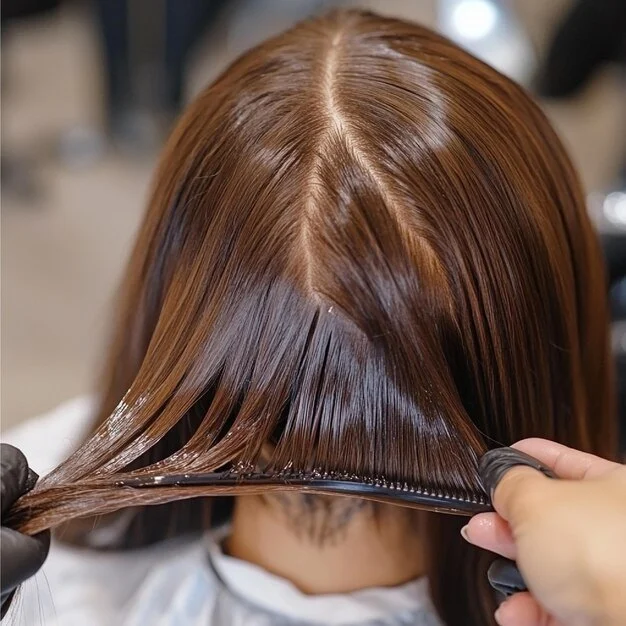
Many people in the United States prefer coloring their hair at home for convenience and cost savings, but uneven results are surprisingly common. Understanding why this happens is the first step toward fixing it effectively. When people search for how to fix hair color that turned uneven at home, they’re usually dealing with patchy tones, darker roots, or streaky ends that don’t match.
One of the most frequent reasons is inconsistent product application. Box dye is designed for general use, but every head of hair has different porosity levels. Hair that is more damaged or porous absorbs dye faster, which leads to darker patches, while healthier sections may remain lighter. Timing also plays a major role—leaving dye on unevenly or starting in different sections at different times can create visible banding.
Another overlooked factor is previous hair history. Layers of old dye, heat damage from styling tools, or even chlorine exposure from swimming pools can all interfere with how color deposits. This is especially true for people who frequently switch shades at home without professional correction in between.
Immediate Steps After Noticing Color Issues
When you first notice uneven color, the worst thing you can do is panic and immediately apply another box dye. This often worsens the problem. Instead, the goal is to stabilize the current situation.
Start by assessing your hair in natural lighting. Indoor lighting can exaggerate or hide uneven tones. Once you understand the severity, avoid washing your hair too frequently, as this can further strip pigment from lighter areas while dark areas remain unchanged.
If the dye was applied within the last 48 hours, a gentle sulfate-free shampoo may slightly soften the intensity differences. However, anything beyond that requires a more strategic correction approach rather than simple washing.
Fixing Light vs Heavy Uneven Hair Color
Light Uneven Tones
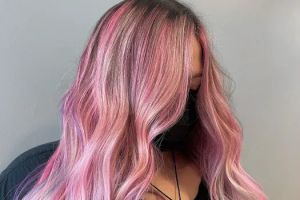
Light unevenness often appears as subtle streaks or slightly mismatched shades. This is usually the easiest type of correction. A semi-permanent gloss or toner can help blend tones together without causing additional damage. Many colorists in the U.S. recommend using ash-based or neutral toners to neutralize warmth and create a smoother finish.
For example, if the roots are slightly darker than the mid-lengths, a warm balancing gloss can help even everything out without reprocessing the entire head.
Heavy Patchiness
More severe cases involve obvious stripes, blotches, or dramatic contrasts between sections. This typically happens when dye is applied unevenly or processed under inconsistent conditions. In such cases, a full corrective approach is required, which may include reapplying dye only to specific sections rather than the entire head.
The key principle here is control—only target the uneven areas instead of risking further imbalance.
DIY Toning and Color Balancing Techniques
Toning is one of the most powerful tools when learning how to fix hair color that turned uneven at home. It works by adjusting undertones rather than completely recoloring the hair.
For brassiness or orange patches, blue-based toners can help neutralize unwanted warmth. For overly yellow tones, purple toners are more effective. The trick is to apply toner selectively or dilute it for a softer effect.
Some at-home users also mix conditioners with small amounts of semi-permanent dye to create a “custom glaze.” This method allows more control and reduces the risk of over-depositing pigment. However, timing is critical—leaving toner too long can shift the entire color in an unintended direction.
A practical example: someone with blonde highlights that turned unevenly yellow after bleaching might use a diluted purple toner for 5–10 minutes instead of a full-strength application.
When to Re-Dye or Use Color Corrector
Not all uneven color problems should be solved with toner. In cases where the base color is significantly inconsistent, a color corrector or re-dye may be necessary.
Color removers are often misunderstood. They do not bleach the hair but instead shrink artificial dye molecules so they can be washed out. This can help reset the canvas before applying a more even shade.
Re-dyeing should always be done with caution. Instead of applying dye from roots to ends again, focus only on the uneven sections. This avoids over-processing already saturated areas, which could lead to breakage or further imbalance.
Mistakes That Make Uneven Hair Worse
One of the biggest mistakes people make is layering permanent dye on top of uneven color without correction steps. This often locks in patchiness instead of fixing it.
Another common issue is ignoring hair porosity differences. Damaged ends absorb dye faster, so applying product from roots downward without adjusting timing creates darker tips and lighter roots.
Heat usage during processing is another hidden problem. Some DIY users wrap their hair in heat sources to “speed up” coloring, but this accelerates uneven absorption.
Even shampoo choice matters. Harsh clarifying shampoos used too soon after coloring can strip pigment unevenly, making the situation worse.
Real-Life Home Coloring Disaster Repair Story
A widely discussed case in U.S. hair forums involved a user who attempted to go from dark brown to ash blonde using a box bleach kit. The result was a patchy mix of orange, yellow, and dark brown sections that looked highly uneven under natural light.
Instead of immediately re-bleaching, she followed a staged correction plan. First, she applied a gentle color remover to reduce the intensity of the darkest areas. Then she used a neutral toner to reduce brassiness. Finally, she applied a soft beige gloss to unify the overall tone.
The entire correction process took about two weeks with spacing between treatments to avoid breakage. The final result wasn’t salon-perfect, but it was significantly more even and wearable. This case is often cited as an example of patience being more effective than aggressive correction.
Stories like this show why understanding how to fix hair color that turned uneven at home is less about quick fixes and more about controlled, layered correction strategies.
Expert Advice for Long-Term Color Stability
Professional colorists emphasize that maintaining even hair color starts long before dye is applied. Pre-treatment conditioning can help balance porosity so that dye absorbs more uniformly.
Using bond-building treatments before and after coloring has become a standard recommendation in modern hair care. These products strengthen internal hair structure, making it less likely that color will absorb unevenly in future applications.
Another expert tip is to avoid frequent full-head dyeing. Instead, focus on root touch-ups and tonal refreshers to maintain consistency over time.
For users who frequently color at home, consulting curated guidance from platforms like Cary Hair Guide can help identify safer products and techniques tailored to different hair types and color goals.
Aftercare Maintenance for Even Hair Tone
Once the color has been corrected, maintenance becomes essential. Even the most successful correction can fade or shift if not properly cared for.
Using color-safe shampoos and minimizing heat styling helps preserve tone consistency. Washing hair with lukewarm water instead of hot water also slows pigment loss.
Regular use of lightweight toning masks once every one to two weeks can help maintain balance between warm and cool tones, especially for blonde and light brown shades.
It’s also important to avoid over-washing. Stripping natural oils too frequently can cause uneven fading, especially on previously corrected hair.
Choosing the Right Products for Home Correction
Product selection plays a critical role in successful correction when dealing with uneven hair color. Not all dyes, toners, or removers are created equal, and choosing the wrong one can worsen the imbalance.
Ammonia-free dyes are often better for correction work because they are less aggressive and allow more controlled deposition. Semi-permanent options are particularly useful for blending tones without committing to long-term changes.
Color-depositing conditioners are another underrated tool. They provide gradual correction and can be adjusted over multiple uses, making them ideal for first-time DIY correction attempts.
When in doubt, it is often better to under-correct than over-correct. Subtle adjustments can always be built upon, while harsh corrections may require full removal later.

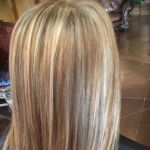 Andre Napier Salon4.0 (75 reviews)
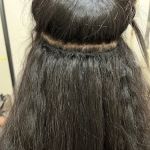 Noire Rose5.0 (8 reviews)
 Styled By K Nicole5.0 (7 reviews)
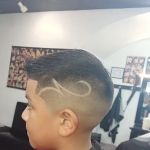 LTBARBERSHOP SOUTH4.0 (16 reviews)
 Salon Buzz4.0 (314 reviews)
 Fantastic Sams Regional Office3.0 (3 reviews)
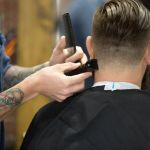 How to Fix a Bad Haircut for Men Quickly at Home
 The Best Hair Cuts Near Me for Women Over 50 Who Still Want Trendy Styles
 How to Choose the Right Haircut for Easy Ponytails and Up-dos
 How to Choose a Hair Store Near Me for Your Post-Salon Maintenance Kit
 The Future of Hair Salons near Me: Tech, VR, AI & Personalisation in the Chair
 The Unexpected Benefits of a "Haircut Near Me" Search for Style Discovery