
- thick-hair-challenges-reduce-bulk-hairstyles - Why thick hair feels heavy and how styling reduces bulk naturally
- layered-cuts-thick-hair - Best layered cuts that remove weight without losing volume control
- medium-long-styles-thick-hair - Easy daily hairstyles for thick hair that stay manageable
- styling-maintenance-tips-thick-hair - Practical routines to keep thick hair lightweight and healthy
- real-life-hairstyle-transformations - Stories and examples of people managing thick hair successfully
Why Thick Hair Feels Heavy and What Actually Works for Control
Thick hair is often admired, but anyone who has it knows the reality behind the compliments. The density that makes hair look full also creates daily challenges: longer drying time, difficulty holding shape, and that “helmet” feeling when it’s not properly cut. The real goal isn’t to remove thickness—it’s to redistribute weight so the hair moves naturally instead of sitting like a block.
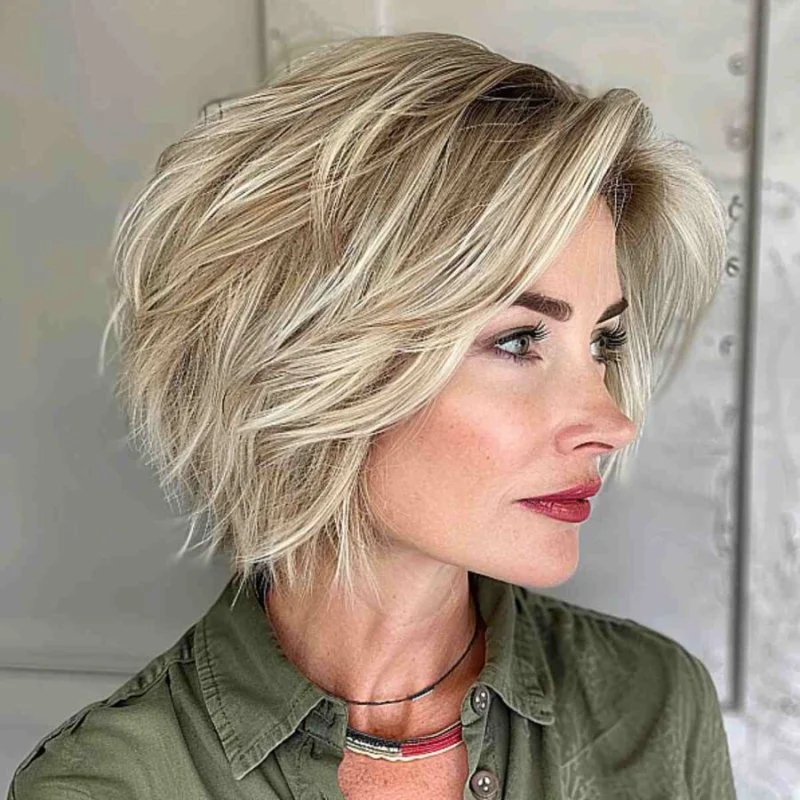
When exploring best hairstyles for thick hair that reduce bulk naturally, the focus is less about cutting shorter and more about strategic shaping. Professionals often work with internal layering techniques, invisible texturizing, and controlled length removal. These adjustments allow the hair to breathe without sacrificing its natural richness.
A stylist in Los Angeles once described thick hair like a winter coat—you don’t throw it away, you tailor it so it fits your lifestyle. That idea shapes everything modern hairstyling does for dense hair types.
Layered Cuts That Naturally Reduce Bulk Without Losing Volume
Soft Internal Layers for Movement and Lightness
One of the most effective approaches for managing density is internal layering. Instead of visibly choppy sections, stylists remove weight from underneath the surface. This keeps the top layer smooth while allowing movement below. It’s one of the most recommended reduce bulk hairstyles techniques for people who still want length.
For example, someone with waist-length thick hair might struggle with triangle-shaped expansion. After internal layering, the shape becomes softer and more balanced. The transformation is subtle but noticeable in daily styling—less puffiness, faster drying time, and easier brushing.

Long Layered Cuts for Natural Flow
Long layers remain a classic solution for hairstyles for thick hair. The idea is to preserve length while distributing weight gradually from top to ends. Unlike blunt cuts that exaggerate density, layered cuts prevent the “block effect.”
This style became especially popular after viral social media transformations showing dramatic before-and-after thick hair reshaping. Many users shared how simply adjusting layers changed their entire morning routine.
Textured Ends for Controlled Volume
Instead of letting thick ends sit heavy, stylists often add soft texture at the bottom. This prevents the hair from looking too dense while maintaining a natural finish. It’s a small detail, but it plays a major role in achieving balanced proportions.
Many professionals recommend combining layering with minimal thinning techniques to avoid over-cutting, which can lead to frizz or uneven growth patterns.
Medium and Long Hairstyles That Make Daily Styling Easier
Shoulder-Length Cuts for Balanced Weight Distribution
Shoulder-length styles are a sweet spot for thick hair. They reduce excess weight while still allowing styling versatility. Whether worn straight, wavy, or tied up, this length is easier to manage than longer heavy hair.
This is often recommended for individuals transitioning from very long hair who want lower maintenance without losing femininity or styling flexibility.
Long Waves with Controlled Layers
Soft waves combined with layered structure create one of the most effortless easy thick hair styling options. The waves break up density visually, while layers reduce internal weight.
A real-life example comes from a hairstylist who worked with a client preparing for a corporate job in New York. The client had extremely dense hair that took over an hour to style daily. After switching to layered waves, her routine dropped to under 20 minutes.
Low-Maintenance Straight Styles with Shape Retention
Straight thick hair can look sleek, but only if properly structured. Without layers, it tends to expand outward. A controlled blunt base combined with subtle internal shaping creates a polished yet manageable look.
This is one of the most requested styles among professionals who need clean aesthetics without high maintenance.
Styling Techniques That Reduce Bulk Without Cutting Too Much
Blow-Drying Methods That Control Volume
Technique matters just as much as the cut. Blow-drying thick hair downward instead of outward helps control puffiness. Using a concentrator nozzle and sectioning the hair properly prevents unnecessary expansion.
Many stylists emphasize that improper drying is the main reason thick hair feels unmanageable—not the hair itself.
Lightweight Products Instead of Heavy Creams
Thick hair does not always need heavy products. In fact, lightweight serums and leave-in sprays often perform better because they don’t add unnecessary weight. This keeps the hair structured but not stiff.
Overuse of dense products is a common mistake that leads to greasy roots and flat ends, especially in humid climates.
Heat Styling with Purpose, Not Habit
Frequent heat styling can temporarily reduce volume, but long-term it causes damage that increases frizz and bulk. The better approach is controlled styling only for shaping key sections rather than full-head daily heat use.
Real-Life Story: From Overwhelmed to Effortlessly Styled Hair
A client with extremely thick, shoulder-blade-length hair once shared how she avoided social events because styling her hair felt overwhelming. She would spend nearly 90 minutes straightening and still feel like it looked “too big.”
After consulting a stylist specializing in layered cuts thick hair solutions, she switched to internal layering and a shoulder-length shape. The difference wasn’t just visual—it changed her daily confidence. Her styling time dropped to under 25 minutes, and she stopped relying on heat tools every day.
This kind of transformation highlights a key truth: managing thick hair isn’t about fighting it, but structuring it correctly.
Choosing the Right Style for Your Lifestyle and Hair Density
Not all thick hair is the same. Some people have fine strands in high density, while others have coarse strands that expand easily. That’s why personalized consultation matters more than trends.
The most effective hairstyles for thick hair consider three factors: density, texture, and daily routine. A busy professional may prefer low-maintenance shoulder cuts, while someone who enjoys styling may opt for long layered looks.
A growing trend in salons is customized “weight mapping,” where stylists analyze how different parts of the head behave and adjust cuts accordingly. This approach is becoming more popular in modern hair design.
Where to Explore Better Styling Options for Thick Hair
If you’re trying to find reliable guidance, product recommendations, or salon-style inspiration tailored specifically for dense hair types, platforms like Cary Hair Guide can help connect you with curated solutions designed for real-world hair challenges. From styling tools to cut suggestions, having the right resources makes a noticeable difference in long-term hair health and manageability.

 AG Hair Design5.0 (68 reviews)
 A & L Styles4.0 (41 reviews)
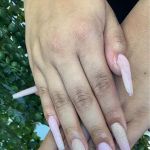 Browsbykarla4.0 (85 reviews)
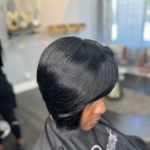 Sp Hairstudio + Extensions0.0 (0 reviews)
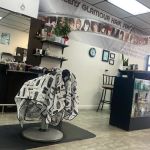 Marlen’s Glamour Hair Salon LLC4.0 (69 reviews)
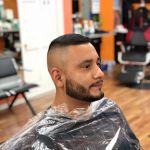 Chapin’s barber shop4.0 (124 reviews)
 How to Choose a Hair Salon Near Me That Offers Student or Senior Discounts
 How to Choose a Hair Salon Near Me That Offers Vegan & Cruelty-Free Services
 How to Choose a Haircut Based on Your Sleep Habits (Pillowcase, Hair Sleeping Routine)
 How to Choose a Beer for Your Thanksgiving Turkey
 Top Professional Haircuts for Men That Work in Office Settings
 Best Hairstyles for 30-Somethings: Tips for a Youthful, Elegant Look