
- 1 - Understanding Scalp Health - The Foundation for Hair Growth
- 2 - Nutritional Factors for Strong Hair - Eating for Hair Health
- 3 - Daily Hair Care Routines - Practices That Support Scalp and Hair
- 4 - Avoiding Damaging Habits - Protecting Hair from Breakage and Loss
- 5 - Using Scalp Treatment Products - Shampoos, Oils, and Serums
- 6 - Professional Treatments and Expert Guidance - When to Seek Help
- 7 - Lifestyle and Hair Growth - Stress, Sleep, and Environment
1 - Understanding Scalp Health - The Foundation for Hair Growth
1.1 Anatomy and Importance of the Scalp
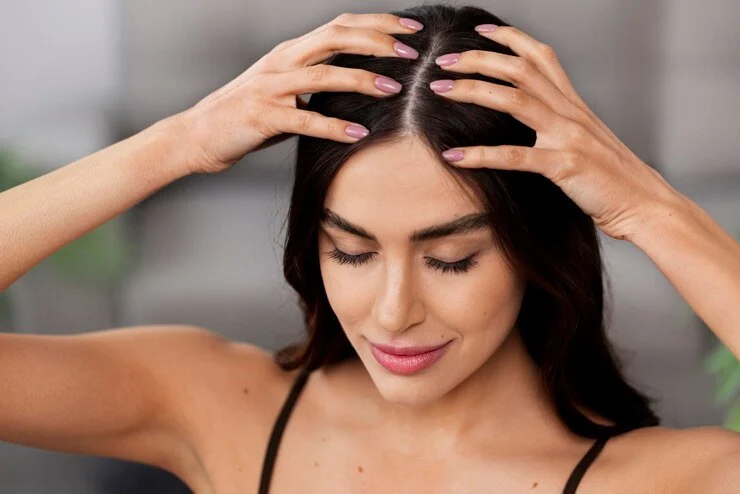
The scalp is not just a surface covering the skull—it is a complex ecosystem of hair follicles, sebaceous glands, and blood vessels. Healthy follicles ensure that hair strands grow strong and resilient. Neglecting scalp health can lead to dryness, irritation, or hair thinning over time.
1.2 Common Scalp Issues
Common issues such as dandruff, excessive oiliness, or scalp inflammation can hinder hair growth. Identifying these early allows for targeted treatments that maintain a balanced environment for hair follicles. Cary Hair Guide emphasizes monitoring scalp conditions regularly to prevent long-term damage.
2 - Nutritional Factors for Strong Hair - Eating for Hair Health
2.1 Essential Vitamins and Minerals
A diet rich in vitamins A, C, D, E, zinc, and biotin can strengthen hair and support healthy growth. For instance, biotin contributes to keratin production, which forms the hair structure. Including eggs, leafy greens, nuts, and fatty fish in your meals provides the nutrients hair follicles need.
2.2 Hydration and Protein Intake
Protein is critical for hair growth since hair is primarily composed of keratin, a type of protein. Adequate hydration also helps maintain scalp elasticity and prevents dryness that could impair follicle function.
3 - Daily Hair Care Routines - Practices That Support Scalp and Hair
3.1 Gentle Washing and Scalp Massage
Washing hair 2–3 times per week with a mild shampoo helps remove excess oil and debris without stripping natural moisture. Incorporating a gentle scalp massage increases blood circulation, enhancing nutrient delivery to hair follicles and supporting growth.
3.2 Conditioning and Moisturizing
Regular use of conditioners and hair masks prevents breakage and keeps hair hydrated. Focus on the scalp and mid-lengths to tips, as well as using lightweight oils like argan or jojoba oil for added nourishment.
4 - Avoiding Damaging Habits - Protecting Hair from Breakage and Loss
4.1 Heat Styling and Chemical Treatments
Excessive heat styling and chemical treatments weaken hair structure. Limiting the use of straighteners, curling irons, and chemical dyes can prevent hair breakage. Cary Hair Guide recommends protective heat sprays when styling is necessary.
4.2 Over-Brushing and Tight Hairstyles
Brushing hair aggressively or wearing tight hairstyles like ponytails and braids can strain follicles, leading to hair shedding. Opt for loose styles and use soft-bristled brushes to reduce tension on the scalp.
5 - Using Scalp Treatment Products - Shampoos, Oils, and Serums
5.1 Anti-Dandruff and Soothing Shampoos
Shampoos containing zinc pyrithione, salicylic acid, or ketoconazole can help control dandruff and scalp inflammation. These active ingredients target the underlying causes while maintaining follicle health.
5.2 Growth-Enhancing Oils and Serums
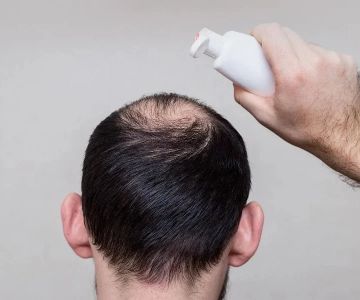
Natural oils such as rosemary, peppermint, and castor oil have been linked to stimulating hair growth. Serums containing peptides and vitamins can also improve follicle strength and overall hair density when used consistently.
6 - Professional Treatments and Expert Guidance - When to Seek Help
6.1 Visiting Dermatologists and Trichologists
Persistent hair thinning or scalp irritation should prompt professional consultation. Dermatologists and trichologists can diagnose underlying conditions like alopecia, hormonal imbalances, or scalp infections, recommending personalized treatments.
6.2 Advanced Treatments
Options such as PRP (platelet-rich plasma) therapy, microneedling, or laser treatments are available for those seeking to accelerate hair growth. Cary Hair Guide provides information on these treatments, helping users make informed decisions safely.
7 - Lifestyle and Hair Growth - Stress, Sleep, and Environment
7.1 Managing Stress
Chronic stress triggers hair shedding and slows growth. Practices like meditation, yoga, and deep breathing exercises reduce stress, creating an environment conducive to healthy scalp and hair development.
7.2 Quality Sleep and Environmental Factors
Sleep is essential for cell regeneration, including hair follicle repair. Additionally, protecting hair from excessive sun exposure, pollution, and harsh weather conditions prevents premature damage and supports optimal growth.
7.3 Consistency is Key
Maintaining healthy scalp and hair requires consistent care. Implementing a daily routine that combines proper nutrition, gentle hair care, scalp treatments, and lifestyle management ensures long-term results. Cary Hair Guide emphasizes adopting these habits as a sustainable approach rather than seeking quick fixes.



 Molly Mack Hair5.0 (8 reviews)
 The Public Barber4.0 (363 reviews)
 Salon38330.0 (0 reviews)
 The Clipper Masters5.0 (42 reviews)
 NWÄR STUDIOS, INC.4.0 (144 reviews)
 Brown's Barber & Beauty Shop3.0 (11 reviews)
 How to Use a Hair Salon Near Me Review to Identify Hidden Extras (Complimentary Treatments)
 How to Choose a Hair Salon Near Me That Prioritizes Sanitation & Safety Standards
 How to Prep for Your First Visit to a Hair Salon If You’ve Never Been
 Best Haircuts for Moms Who Want Style With Minimal Effort: Easy & Chic Ideas
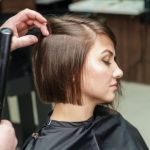 How to Refresh Your Look With a Haircut Near Me That Costs Less Than $100
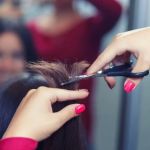 How to Book a Haircut Near Me Online and What Questions to Ask Before Confirmation