
- understanding-the-challenges-of-transitions
- preparing-your-hair-for-the-transition
- steps-to-graduate-from-box-dye-to-natural-color
- protecting-your-hair-health-during-the-process
- styling-tips-for-a-smooth-transition
- maintaining-natural-color-after-the-transition
1. Understanding the Challenges of Transitions
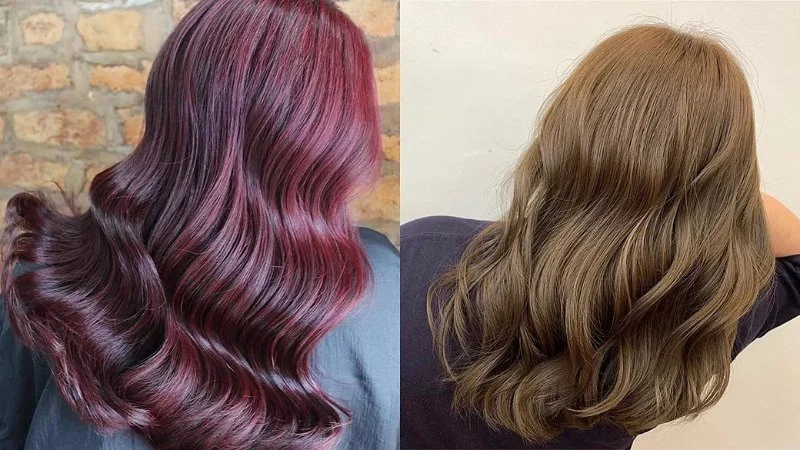
Transitioning from box dye to natural color can feel like a daunting process, but with the right approach, it can be a smooth and rewarding journey. Many people opt for box dye because it’s convenient and affordable, but over time, the color may start to fade or look unnatural. The goal is to achieve a more natural look without compromising your hair’s health.

1.1 The Challenge of Outgrowing Box Dye
One of the primary challenges is the stark contrast between dyed hair and your natural roots. Depending on how often you color your hair, this line of demarcation can be hard to blend. Overcoming this challenge requires patience and a strategy to ease into a natural, seamless look.
1.2 Hair Health and Damage
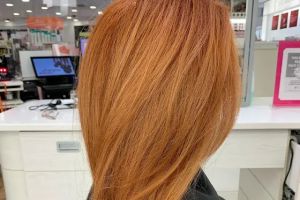
Box dye can sometimes cause hair damage if used repeatedly. While transitioning, it’s important to focus on maintaining the health of your hair. Color-treated hair can become dry, brittle, or prone to breakage, so nurturing your hair through the transition is key to avoiding further damage.
2. Preparing Your Hair for the Transition
Before diving into the process of transitioning from box dye to natural hair color, preparing your hair for this change is essential. Healthy hair makes the transition easier and ensures you don’t end up with overly damaged strands.
2.1 Trim Your Hair Regularly
Start by getting a trim to remove the damaged or over-processed ends of your hair. This will not only make your hair look healthier but also allow your natural hair texture and color to show through. Regular trims will also help maintain the overall health of your hair during the transition.
2.2 Nourish and Deep Condition
Box-dyed hair can be drier than natural hair, so it’s crucial to hydrate your hair with regular deep conditioning treatments. Use moisturizing masks and oils to restore vitality and shine, ensuring that your hair stays strong and manageable throughout the transition.
2.3 Protect Your Hair from Heat
Minimize heat styling during the transition. Overuse of hair dryers, straighteners, and curling irons can cause further damage to already processed hair. Opt for heat-free styles or use protective products if you need to style your hair.
3. Steps to Graduate From Box Dye to Natural Color
There’s no one-size-fits-all solution for transitioning from box dye to natural hair color. However, there are several steps you can take to gradually ease into the process.
3.1 Gradual Fading with Shampoo
If you’re not ready for a full-blown transition, you can start by gradually fading your dyed hair. Use clarifying shampoos (but don’t overdo it) to strip some of the artificial color from your hair. This can help create a softer contrast between the natural and dyed sections.
3.2 Highlighting or Lowlighting
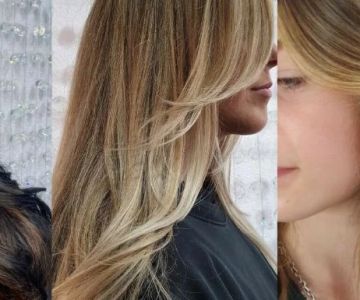
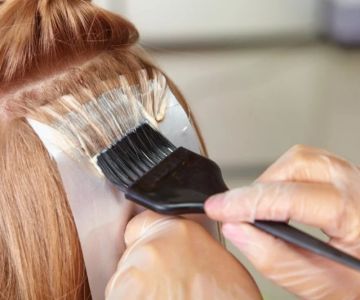
Another option is to add highlights or lowlights to blend the line between your natural roots and dyed hair. This technique involves subtly lightening or darkening specific sections of your hair, making the transition look more natural and less noticeable.
3.3 Professional Help: Color Correction
For a quicker and more seamless transition, you may want to consult with a professional colorist. Color correction treatments can help remove the harsh contrast between your natural and dyed hair. A colorist can also add subtle tones to create a more natural, blended look.
4. Protecting Your Hair Health During the Process
As you transition, it’s vital to prioritize the health of your hair to prevent further damage. Here are some tips to keep your hair healthy during the process:
4.1 Use Gentle Hair Products
Opt for sulfate-free shampoos and conditioners that are specifically designed for color-treated hair. These products are gentle on your strands and help preserve moisture, which is crucial during the transition period.
4.2 Avoid Over-Washing Your Hair
Washing your hair too frequently can strip it of its natural oils and cause dryness. Try to wash your hair every 2-3 days, depending on your hair type. This will help retain moisture and keep your hair looking healthier.
4.3 Use Leave-In Treatments
In addition to your regular conditioner, use leave-in treatments to provide extra hydration and protection. These can also help manage frizz and tangling, which can be more common as you transition from dyed to natural hair.
5. Styling Tips for a Smooth Transition
During the transition from box dye to natural color, styling your hair in ways that minimize the visible line of demarcation is key.
5.1 Embrace Natural Texture
One of the best ways to style your hair during this time is to embrace your natural texture. Whether it’s waves, curls, or straight hair, letting your hair’s natural shape come through will create a more effortless look that doesn’t highlight the difference between the dyed and natural sections.
5.2 Experiment with Braids and Updos
Braids, buns, and other updos can help conceal the line between your dyed hair and natural roots. These styles are also great for preventing your hair from being exposed to environmental stressors that may slow down the transition.
5.3 Try Hair Accessories
Hair accessories, such as headbands or scarves, can help cover the line of demarcation and create a stylish look. Accessories also add a fun element to your transition and keep you looking chic.
6. Maintaining Natural Color After the Transition
Once you’ve successfully transitioned to natural hair color, the next step is maintaining the health and vibrancy of your hair. Here’s how you can keep your hair looking its best after the big change:
6.1 Regular Trims
Even after the transition, regular trims are essential to keep your hair looking fresh and healthy. This helps eliminate split ends and maintain a consistent shape.
6.2 Deep Conditioning Treatments
Continue using deep conditioning treatments to keep your hair moisturized and nourished. This will help your hair remain strong and prevent damage from environmental factors.
6.3 Protect Your Hair from Heat and Sun
Even with natural hair, it’s important to protect your hair from heat and UV damage. Use heat protectants when styling and wear hats or scarves to shield your hair from direct sunlight.
Transitioning from box dye to natural color requires patience, care, and a solid plan. By following the tips above, you can ensure that your hair stays healthy throughout the process and beyond. For more personalized advice and tips, check out Cary Hair Guide for the best resources and product recommendations to keep your hair looking its best during and after your transition.




 M & M Hair Connection4.0 (30 reviews)
 Crystal’s Unisex3.0 (45 reviews)
 European Wax Center4.0 (741 reviews)
 Floor Money Gentlemens Grooming0.0 (0 reviews)
 Chad Keast Hair4.0 (15 reviews)
 Chicago Wax N Stuff5.0 (57 reviews)
 How to Choose a Hair Store Near Me for Affordable Professional-Grade Products
 Best Hairstyles for 30-Somethings: Tips for a Youthful, Elegant Look
 How to Use Before & After Galleries to Choose a Haircut at a Hair Salon Near Me Smartly
 How to Evaluate Your Upcoming Hair Salon Visit Like a Pro: Checklist Inside
 Best Haircuts for Sensitive Scalps and Allergies: Tips and Recommendations
 How to Use a Hair Store Near Me to Build a Travel-Friendly Hair Kit