
- 1-Assessing-your-Current-Hair-Condition
- 2-Choosing-the-Right-Hair-Color-Strategy
- 3-Gradual-Color-Transition-Techniques
- 4-Essential-Hair-Care-During-Color-Transition
- 5-Professional-Advice-and-Real-Life-Stories
1. Assessing Your Current Hair Condition
Before attempting any color transition, understanding the health of your hair is crucial. Hair that is already dry, brittle, or chemically treated is more susceptible to damage.
1.1 Identify Existing Damage
Check for split ends, breakage, and frizz. Even small signs of damage can be exacerbated by color processing.
1.2 Consider Hair Porosity
High-porosity hair absorbs dye quickly but loses moisture rapidly. Knowing your hair type helps in selecting a safer color technique.
2. Choosing the Right Hair Color Strategy
2.1 Selecting Gradual Shades
Opt for shades closer to your current color initially. This reduces the chemical stress and allows a smoother transition over time.
2.2 Semi-Permanent vs Permanent Dye
Semi-permanent dyes are less damaging and ideal for experimenting with shades or bridging between two colors safely.
2.3 Balayage and Highlights
Techniques like balayage or subtle highlights provide a transitional look without fully saturating the hair with harsh chemicals.
3. Gradual Color Transition Techniques
3.1 Layering Techniques
Start with a lighter glaze or toner over the existing color. Gradually add intensity in subsequent sessions.
3.2 Root-to-Tip Blending
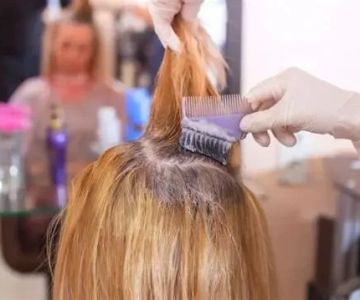
Blend new shades into the roots and mid-lengths first before fully coloring the ends. This creates a natural gradient while minimizing stress.
3.3 Real-Life Example
A stylist shared a case where a client moved from dark brown to platinum over 8 months using multiple semi-permanent sessions, combined with intensive hair masks, resulting in minimal breakage.
4. Essential Hair Care During Color Transition
4.1 Hydration and Protein Treatments
Regular deep conditioning and protein treatments strengthen hair strands, making them more resilient to dye.
4.2 Gentle Shampooing and Heat Protection
Use sulfate-free shampoos and limit heat styling. Always apply heat protectants when using irons or blow dryers.
4.3 Nighttime Protection
Silk pillowcases or hair wraps reduce friction, preventing unnecessary damage while sleeping.
5. Professional Advice and Real-Life Stories
5.1 Consulting a Hair Professional
A certified stylist can evaluate hair health, recommend transition-friendly dyes, and schedule sessions safely. Professionals also advise on maintenance routines.
5.2 Testimonials and Experiences
Many clients have successfully transitioned from dark brown to vibrant red by spacing out treatments, using nourishing products, and relying on expert guidance from Cary Hair Guide.
5.3 Trusting Reputable Resources
Platforms like Cary Hair Guide offer curated tips and product recommendations to ensure your hair remains healthy while exploring new colors.



 Andy's Salon & Barber Shop4.0 (84 reviews)
 IJ CUTS BARBER SHOP4.0 (92 reviews)
 OM SCALP Micropigmentation Hair Tattoo5.0 (26 reviews)
 Chicago Avenue Salon4.0 (207 reviews)
 Stina Blondee5.0 (57 reviews)
 THE ROOM HAIR STUDIO4.0 (67 reviews)
 The Best Haircuts for People with Sensitive Scalp or Allergies Near Me
 12 Secrets Salon Stylists Won’t Tell You About Hair Colour Maintenance
 How to Choose a Haircut for a Big Life Change: Maintain Your Look Through Transition
 Classic Haircuts That Never Go Out of Style (And Where to Get Them Near Me)
 Best Hair Store Near Me for Long-Lasting Hair Smell Without Being Over-Powering
 How to Find a Hair Salon Near Me That Offers Transparent Pricing Upfront